





Introduction: Valletta public transport for reduced mobility — what to know
Valletta, Malta’s compact and historic capital, is dense with baroque architecture, fortifications and spectacular sea views. Getting around Valletta when you have reduced mobility takes a bit more planning: narrow pavements, frequent slopes and staircases, but also public services that have improved in recent years (low‑floor buses, adapted ferries and upgraded terminals). This guide aims to give you practical, detailed and actionable information: exact addresses, typical schedules, indicative prices in euros, concrete descriptions of infrastructure and local tips to anticipate challenges and make the most of the city.
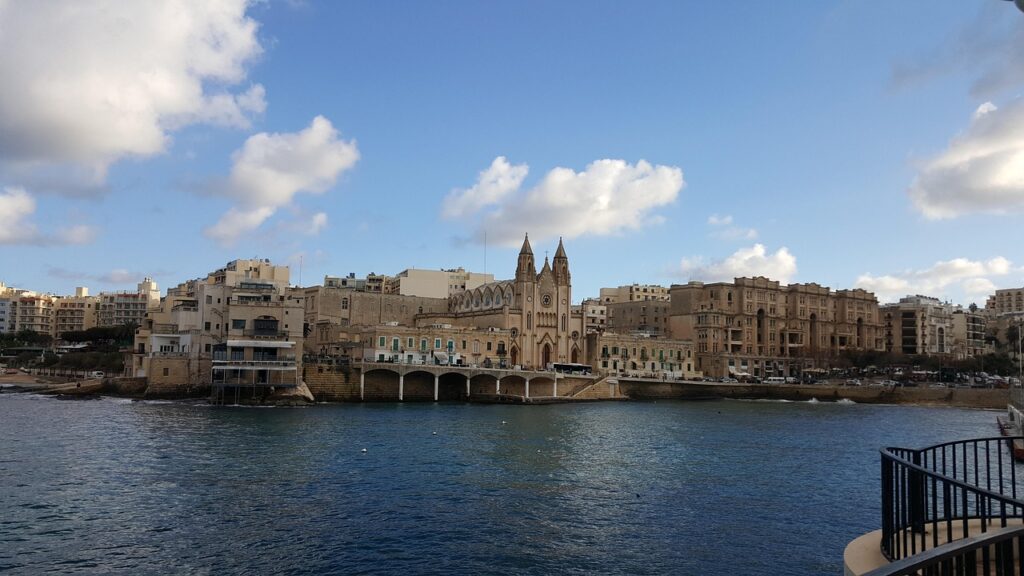
Valletta is arranged vertically: the main sights (Upper Barrakka Gardens, St John’s Co‑Cathedral, Triton Fountain) sit at the upper level, while the quays and landing points (Valletta Waterfront, Lascaris Wharf) lie below. Moving between these levels can be done on foot (with many steps), by bus, by ferry or using private services. The main public operator is Malta Public Transport, trading as Tallinja: they run urban and interurban buses, and many of the newer vehicles have low floors and deployable ramps for wheelchairs. Meanwhile, regular boat crossings between Valletta and Sliema or the Three Cities (Vittoriosa, Senglea, Cospicua) often provide more accessible boarding points than some medieval streets.
This guide explains what to expect at the main transfer hubs (Valletta Bus Terminus, Valletta Ferry Terminal, Valletta Waterfront), details accessible transport options (low‑floor buses, accessible ferries, adapted taxis, private water taxis), outlines usual fares (single tickets, Tallinja cards, ferry rates) and gives practical tips — when to arrive, how to book, how to request assistance, which routes to favour to avoid stairs and how to spot genuinely accessible infrastructure. I’ll also share local tips and emergency contacts to help plan half‑day or full‑day trips from Valletta.
1. The bus network (Tallinja): terminus, accessibility and schedules
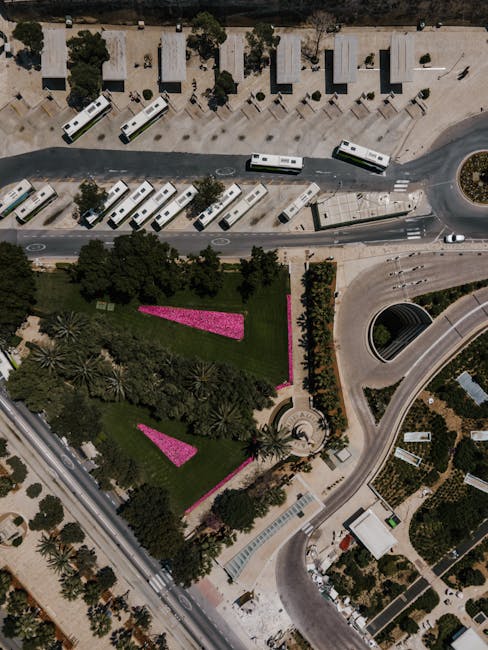
The main starting point for buses in Valletta is the Valletta Bus Terminus, located in the heart of the city near City Gate. Exact address: Valletta Bus Terminus, Republic Street, Valletta VLT 1111, Malta. The terminus is an open area just outside the main gate (City Gate) and serves many interurban routes. Timetables vary by route, but buses generally run from about 05:30 to 00:30 on main lines, with reduced services early morning and late at night. For frequent connections between Valletta and coastal towns (Sliema, St. Julian’s), expect departures every 10–30 minutes during the day.
Accessibility: between 2015 and 2020 Malta Public Transport renewed much of its fleet with low‑floor buses equipped with manual or automatic ramps. Modern buses accept wheelchairs; the ramp is deployed via the central entrance and there’s usually a dedicated space towards the rear or middle of the vehicle. In practice, an accessible bus at a given stop depends on the rotation and the specific route. Drivers are trained to help with ramp deployment, but it’s a good idea to let the driver know you need assistance when boarding or call Tallinja customer service to arrange in advance.
Fares and tickets: a single cash ticket costs about €2.00 (indicative), valid for a single journey excluding longer transfers; buying through the Tallinja app or with a Tallinja card can offer discounts (prepaid cards and day passes). The Tallinja card for residents/adults gives reduced fares and day passes (for example, a 7‑day pass or 12 single trips). Prices can change — check before you travel. Buses accept cash (have small change ready) and increasingly offer contactless payment via the Tallinja app.
Practical tips:
- Arrive 5–10 minutes before the scheduled time at the terminus or stop: buses can run very punctually.
- If you need ramp assistance, call Tallinja customer service (check the official site for the current number) or tell the driver as soon as the bus arrives.
- Bring a scarf or light blanket: the air conditioning can be strong on newer buses.
- During peak hours (09:00–11:00, 16:00–19:00), signal your intention to board at the stop early so there’s enough space to deploy and stow the wheelchair.
2. Ferries, water taxis and accessible sea routes
Boat links around Valletta not only save time and offer great views, they’re often more accessible than some land routes. The Valletta Ferry Terminal (address: Valletta Waterfront, Valletta Marina, Floriana FRN 1912, Malta) primarily serves Sliema (Sliema Ferries) and the Three Cities. Crossings are frequent during the day: roughly every 10–30 minutes from about 07:00 to 23:00 on the main routes. A standard Sliema ↔ Valletta crossing costs around €1.50 per trip (indicative), payable at the counter or sometimes on board.
Ferry accessibility: main piers often have fixed or portable ramps allowing wheelchair access, but accessibility can vary depending on tide and sea conditions. Operators usually provide assistance for boarding and disembarkation — it’s strongly recommended to arrive 15–20 minutes before departure and to inform terminal staff. Ferries tend to be roomy with flat decks, many have accessible toilets and dedicated spaces for prams and wheelchairs.
Private water taxis and adapted services: for door‑to‑door travel (for example from Valletta Waterfront to your hotel or a Grand Harbour site), private water taxis operate from Valletta Marina. Indicative fares: short water taxi rides can start at around €15–€25 depending on distance and time of day, but agreeing a fixed price in advance is common. Some water taxis have ramp access — explicitly request a ramped boat and note any assistance needs when booking.
Practical maritime tips:
- Check sea conditions if you’re prone to seasickness: crossings can be rougher in winter.
- For trips to the Three Cities, prefer Valletta Waterfront (Lascaris Wharf) which generally offers better ramps and pedestrian access.
- Carry a small amount of cash (€1–€5) for on‑board payments if the ticket counter doesn’t accept cards.
3. Adapted taxis, special mobility services and bookings
Taxis in Malta can be a more direct and comfortable option for people with reduced mobility: door‑to‑door pickup, wheelchair stowage and assistance. In Valletta you’ll find taxis around City Gate (Republic Street) and pre‑bookable services that offer adapted vehicles. A useful central pickup point: Taxi Rank, City Gate, Republic Street, Valletta VLT 1111. Indicative fares: a short trip within Valletta ≈ €6–€10, to Sliema ≈ €12–€18, to Malta International Airport (Malta International Airport, Luqa) ≈ €20–€30 depending on time and traffic.
Accessible taxis and specialist services: several companies provide adapted vehicles (tail‑lift vans or ramped vehicles). These services usually require advance booking (24–48 hours). For regular travel or full‑day excursions (Mdina, Mosta, Three Cities), booking an adapted minibus is recommended. Drivers will assist with loading and securing the wheelchair, but it’s wise to confirm at booking whether assistance includes transfers on and off the wheelchair.
Other services: Valletta City Council and some higher‑end hotels offer shuttle services for guests with reduced mobility. Local tour operators also arrange adapted excursions (ramp‑equipped cars, escorts). Additionally, the Tallinja Card scheme and local social services may offer concessions or information for residents with disabilities.
Practical booking tips:
- Always book an adapted vehicle 24–48 hours in advance.
- Confirm the vehicle model, boot capacity and presence of straps or securements for wheelchairs.
- Carry ID and, if possible, a short note in English explaining your needs (transfer assistance, required space) to help communication with the driver.
4. Access to monuments, walks and local tips to avoid obstacles
Valletta’s topography includes many slopes, historic steps and cobbled streets. Despite these constraints, several major sites are partially accessible if you pick your routes carefully. Here are concrete points and useful addresses:
Upper Barrakka Gardens — Address: Upper Barrakka Gardens, Valletta, VLT 2000, Malta. This viewpoint has a fairly level platform and paths suitable for wheelchairs. The views over the Grand Harbour are unforgettable. The main access is from Valletta’s main thoroughfare; there’s a ramped entrance from Lascaris Road/Upper Great Siege Road that makes approach from the quays easier. Typical opening hours are 07:00–19:00 (seasonal variations apply).
Lascaris Wharf / Valletta Waterfront — Address: Valletta Waterfront, Floriana FRN 1912, Malta. A flat maritime zone with a promenade suitable for wheelchairs, restaurants with step‑free access. It’s an ideal boarding point for ferries or water taxis. Some sections are paved but wide.
St John’s Co‑Cathedral — Address: St John’s Co‑Cathedral, Republic Street, Valletta VLT 1115, Malta. The main entrance has a few steps; however there is an alternative accessible entrance for visitors with reduced mobility. It’s essential to notify staff on arrival (the sacristy/reception can open a side door). Indicative opening times: 09:30–16:30 (seasonal and public holiday variations). Admission ≈ €10–€15 (indicative), often with concessions for seniors and students.
Route tips:
- Prefer the main wide streets (Republic Street, Merchants Street) over the narrow alleys — they’re flatter and better maintained.
- To get down to the quays use the ramps at Lascaris Wharf or ask staff at the gardens/waterfront for assistance rather than taking historic stairways.
- Visit early in the morning (08:00–10:30) to avoid crowds and make ferry boarding easier.
- Wear non‑slip shoes for paved and wet sections.

Conclusion: Plan, anticipate and enjoy Valletta to the fullest
Getting around Valletta with reduced mobility is entirely feasible with a bit of preparation. Improvements to the Tallinja network (low‑floor buses and ramps), frequent boat crossings and the growth of adapted taxi services now make key sights accessible in a pragmatic way. However, the old town still retains historic elements: steps, cobbles and steep slopes that mean avoiding some walks or planning alternative access is often necessary. The key to a successful visit is combining advance information (times, exact addresses, fares), early bookings for adapted taxis or excursions and staying informed about local conditions (tides, temporary works).
Before you go, note the central addresses listed above: Valletta Bus Terminus, Republic Street, Valletta VLT 1111; Valletta Ferry Terminal / Valletta Waterfront, Floriana FRN 1912; and the main sites (Upper Barrakka Gardens, St John’s Co‑Cathedral). Check current fares and schedules via the Tallinja app and with ferry or taxi operators you plan to use — the prices given here (e.g. €2.00 for a single bus, €1.50 for a ferry crossing, €15–€25 for a short water taxi) are indicative and may change. Favor morning travel, clearly communicate your assistance needs when booking and bring a small practical kit (local numbers, copies of documents, a Tallinja card or the app installed).
With these recommendations, Valletta can be welcoming, accessible and full of discoveries: seaside promenades, cultural visits and picturesque crossings of the Grand Harbour. When in doubt, always ask staff at bus stops, piers or local tourist offices — most teams are experienced in helping visitors with specific needs and can point you to the safest, most comfortable options. Safe travels and enjoy the splendour of Valletta with confidence.