





Introduction — The Baroque imprint on Valletta: context and how to read the city
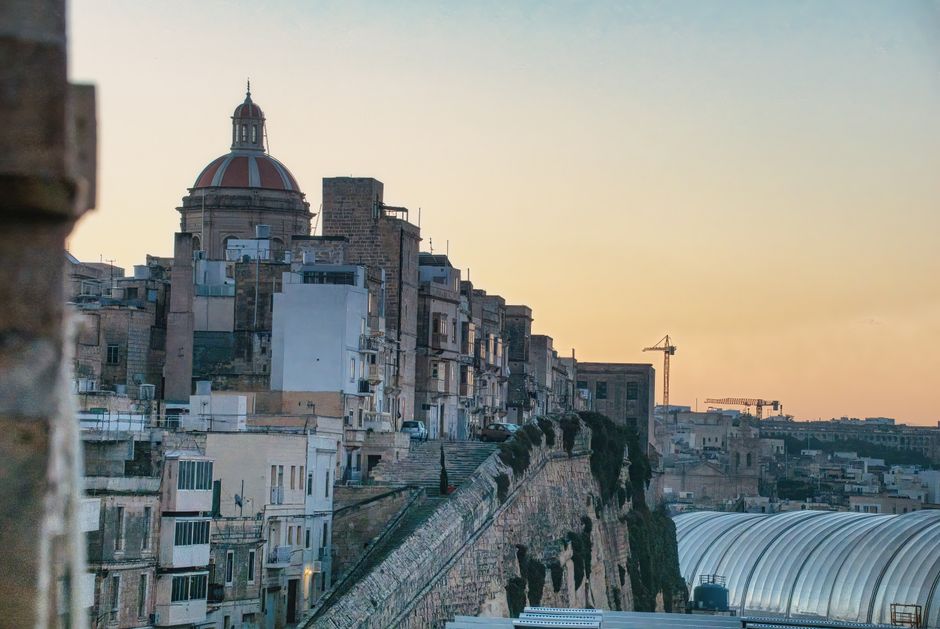
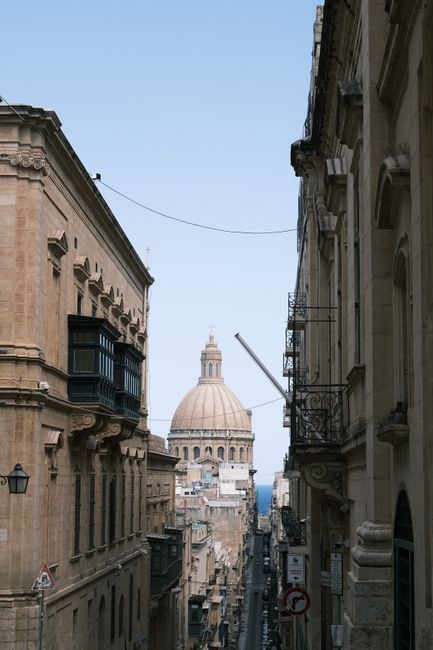
Valletta, Malta’s historic capital, is an open book of stone and light. Founded in the 16th century by the Order of St John (the Knights Hospitaller), the city is one of Europe’s purest examples of defensive urban planning and Baroque architecture. Façades, domes, coats of arms carved into courtyards and grand staircases tell a story where religious splendor, military might and civic prestige speak the same aesthetic language. Wandering its narrow streets and solemn squares transports you back to an era when Baroque was spectacle, propaganda and everyday art all at once.
This guide is practical and immersive: it lists the unmissable Baroque museums and buildings in Valletta, with exact addresses, opening hours, prices in euros, detailed architectural descriptions and local tips to make the most of your visit. The approach isn’t just descriptive — it gives you the keys to read Maltese Baroque: the motifs, the materials, the light — and explains how each building met liturgical, symbolic or defensive needs.
The monuments covered here include the major achievements of the 16th and 17th centuries, but also some often-overlooked spots that reveal remarkable interiors or outstanding panoramic views. You’ll find famous sites like St. John’s Co-Cathedral, the Grand Master’s Palace and the Auberges of the langues, along with less expected places — fortifications converted into museums, historic theatres and public gardens that provide visual breathing room in a densely built urban fabric.
Before diving into the details, a few practical tips: aim for a weekday morning visit to avoid cruise-ship crowds; bring sturdy shoes (cobbles and steps are everywhere); respect rules at religious sites (cover shoulders and knees indoors); and carry a map or offline app — the alleyways can be disorienting. Also keep in mind the order of visits: start with the major churches and museums to take advantage of the coolest hours, and finish with a sunset pause at the Upper Barrakka Gardens for a memorable visual finale.
St. John’s Co-Cathedral — Baroque masterpiece and museum of the Order
Name: St. John’s Co-Cathedral (Concattedrale di San Giovanni)
Address: St John Street, Valletta, VLT 1160, Malta
Opening hours: Open daily from 09:30 to 16:30 (last entry 16:00). Closed Sunday morning for religious services (check the official site for public holiday closures).
Price: General admission around €12 (reduced fares for students and seniors, free for some children; audio-guide not included and available at extra cost).
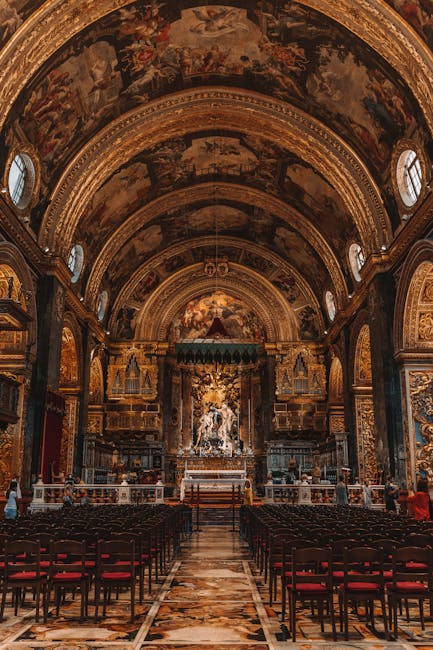
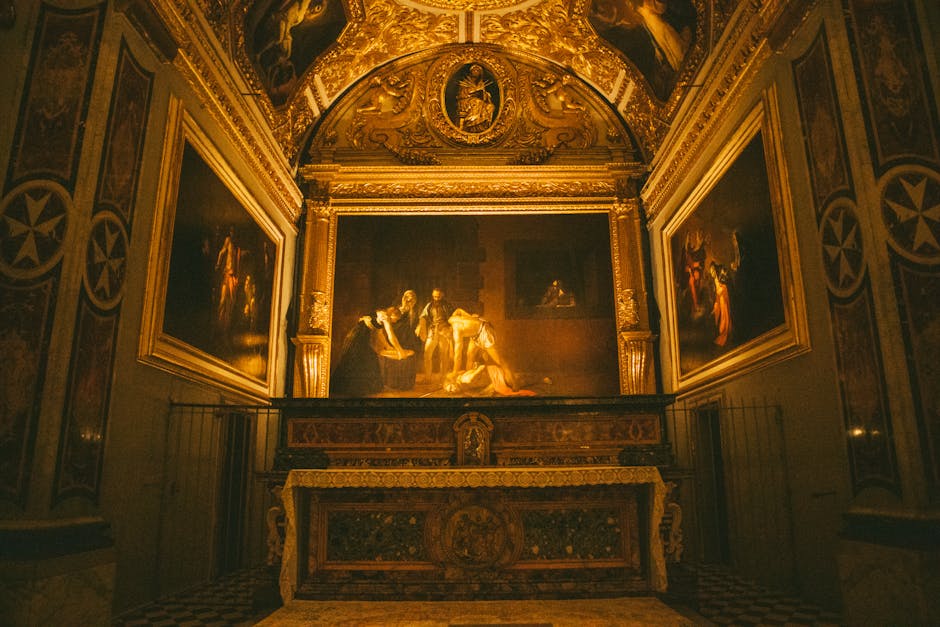
Description: St. John’s Co-Cathedral is arguably the high point of any Baroque tour in Valletta. Built between 1573 and 1578 on the orders of Jean de Valette and lavishly dressed in the 17th century, its exterior is deliberately modest for defensive reasons but the interior is opulent—filled with gold, stucco and marble. The nave opens onto a sumptuous decor where each side chapel was decorated by one of the Order’s langues.
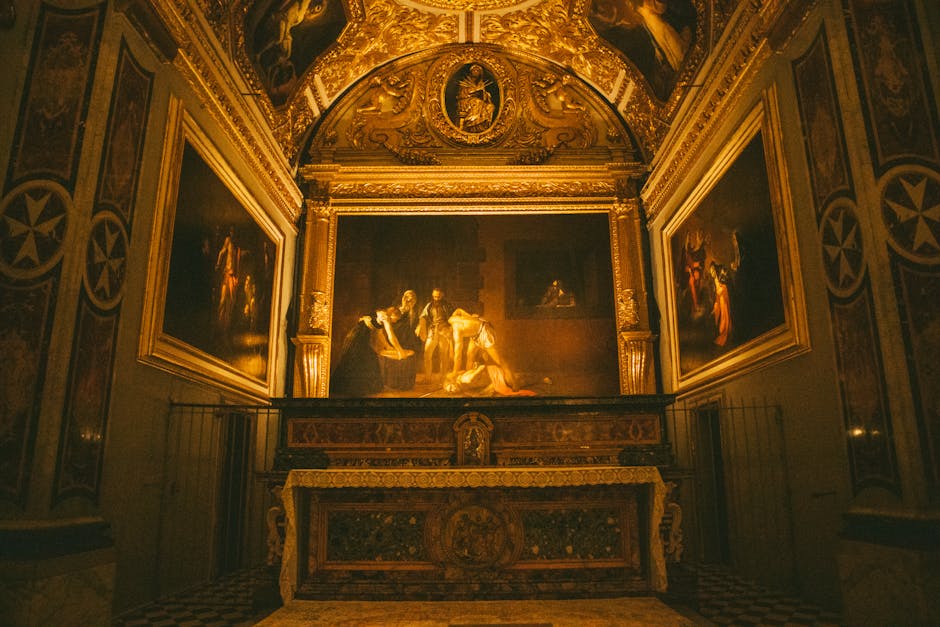
The standout work is undoubtedly the chapel and altarpiece by Caravaggio: The Beheading of Saint John the Baptist (circa 1608), the only signed and dated painting known by the master. Don’t miss the richly carved tomb slabs that cover the floor — polychrome Baroque grave markers where the grand masters lie entombed, frozen in stone but telling the hierarchy and splendor of the Order.
Local tips: arrive at opening time to avoid the crowds and to get the best light for photos (non-flash photography is allowed in some areas, though restrictions may apply around the Caravaggio). Take the audio-guide for explanations about heraldic symbols and key episodes in the Order’s history:
- Recommended guided visit: 30–45 minutes.
- Ideal time on site: 1–1.5 hours to contemplate and understand the side chapels.
- Dress code: shoulders and knees must be covered.
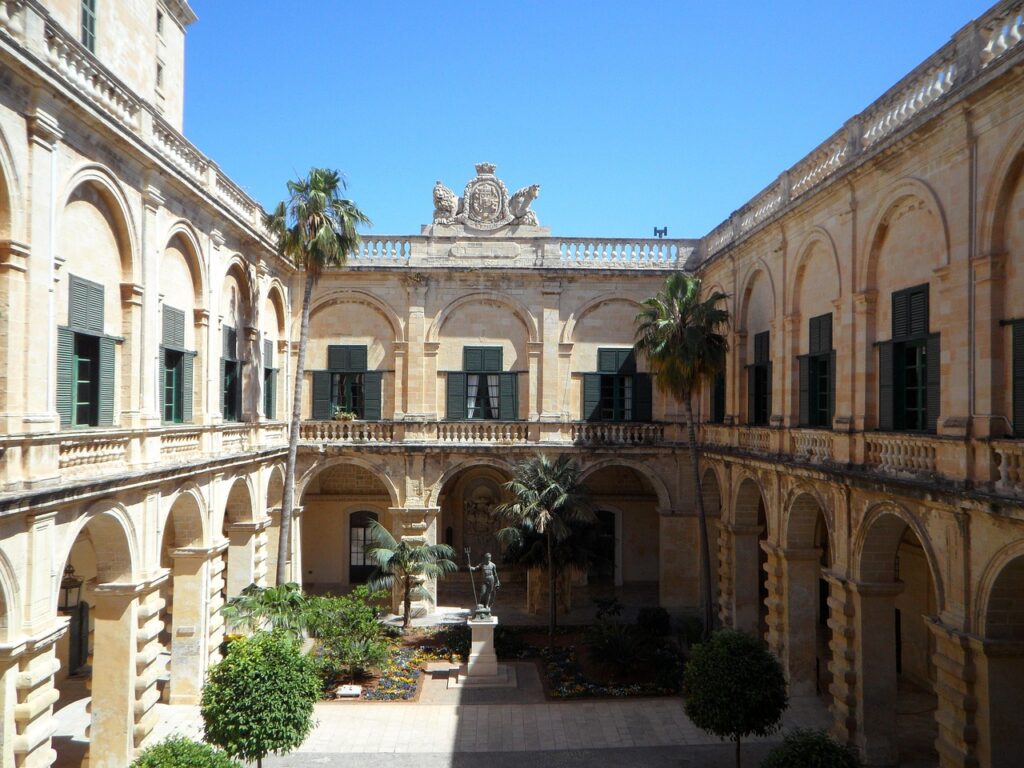
Grandmaster’s Palace and the Armoury — civil power and Baroque splendor
Name: Grandmaster’s Palace (Palazzo del Gran Maestro / Grand Master’s Palace)
Address: Palace Square, Valletta, VLT 1974, Malta
Opening hours: Museum open Monday to Saturday from 10:00 to 16:00 (closed to the public on certain official days and for state ceremonies). Check for occasional closures: the Palace courtyard may be used by authorities.
Price: General admission around €10 (includes the Armoury — National War Museum at Fort St Elmo requires a separate ticket).
Description: The Grandmaster’s Palace is the political and ceremonial heart of the old knightly republic. Built and remodeled between the 16th and 18th centuries, the palace pairs austere façades with richly decorated interiors: state rooms adorned with wood paneling, Flemish tapestries, painted ceilings and portraits of grand masters. The Armoury, now a museum, displays an impressive array of armor and ceremonial weapons — from harquebuses to ornate rapiers — illustrating the knights’ military as well as ritual roles.
Architecturally, note the balance between the defensive language (massive walls, a watchful presence over the square) and the Baroque interior logic seeking drama and display. The state rooms were designed to awe visitors and assert the Order’s power; the meticulous ceiling work and wood carving reflect the importance of ceremony.
Local tips: photography is often restricted in certain rooms; check the signs at the entrance. If you want to see the official quarters still in use (government offices), inquire in advance: some sections are reserved for state receptions. Allow 1 to 1.5 hours for a full museum visit.
Fortifications and military museums — Fort St Elmo and the National War Museum
Name: Fort St Elmo — National War Museum
Address: Fort St Elmo, Valletta, VLT 1401, Malta
Opening hours: Open daily from 09:00 to 17:00 (last entry 16:00). Some exterior sections accessible depending on the weather.
Price: General admission around €9 (reduced fares for students and seniors).
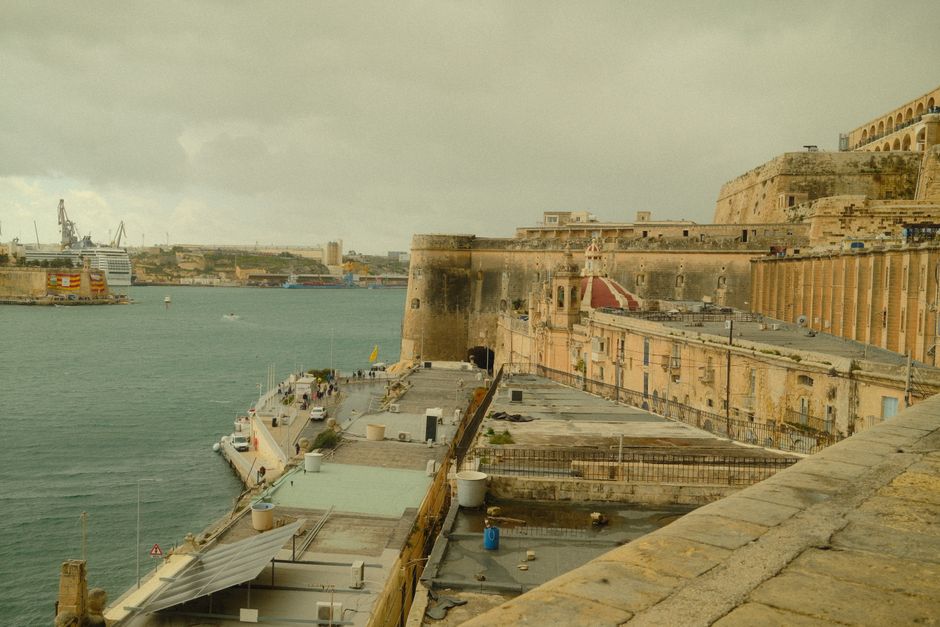
Description: Fort St Elmo sits at the tip of the Valletta peninsula and offers a powerful lesson in Baroque and later military architecture. Raised after the great siege of 1565 to strengthen the harbour’s defense, the fort was modified repeatedly. The National War Museum traces Malta’s military history from the Middle Ages to the 20th century, with a collection of objects, weapons, cannons, models and photographic archives. The exhibition blends artifacts, storytelling and immersive displays — helping visitors grasp Malta’s strategic centrality in the Mediterranean.
Walk the ramparts to see bastions, casemates and panoramic views of the harbour. The outdoor experience is as important as the museum rooms: the thick walls, cannon embrasures and the fort’s silhouette all tell of how defensive techniques evolved in response to modern artillery.
Local tips: combine this visit with the Lower/Upper Barrakka Gardens for varied perspectives. Bring water and a hat in summer — there’s little shade on the ramparts. Photographers will love views toward the Grand Harbour and the workboats that give the fortifications a human scale.
Other Baroque sites not to miss: Auberge de Castille, Manoel Theatre, churches and gardens
Beyond the major monuments, Valletta is full of buildings where Baroque takes many forms: auberges, theatres, parish churches and private gardens. Here’s a practical selection:
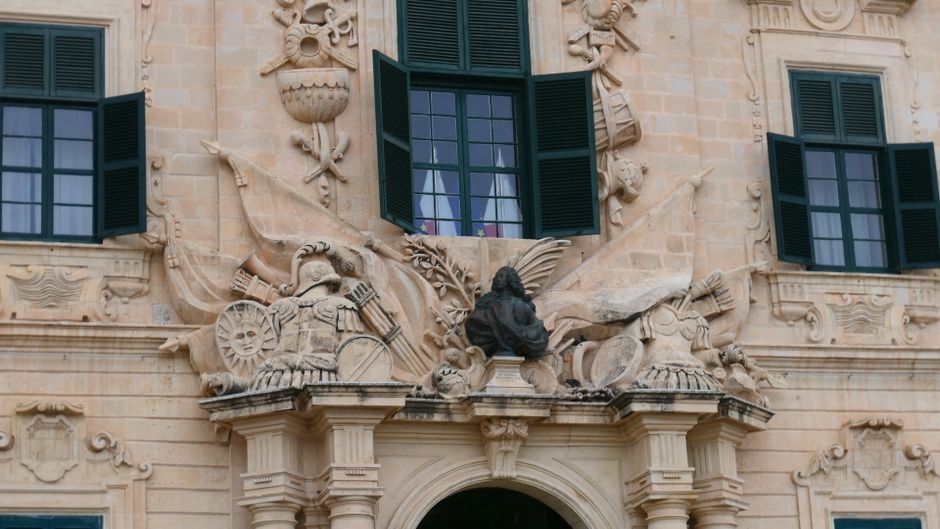
- Auberge de Castille — Castille Place, Valletta, VLT 1970, Malta. A masterful Baroque façade; today it houses the Prime Minister’s offices. Exterior visits are free; the interior is only accessible during official events or occasional guided openings. Viewing points: the square, the sea view and the allegorical sculpture on the façade.
- Manoel Theatre (Teatru Manoel) — Old Theatre Street, Valletta, VLT 1925, Malta. One of Europe’s oldest theatres still in operation (built in 1731). Baroque interior architecture with woodwork and aristocratic boxes. Guided tour prices around €8–€12, times vary with the programme. Book ahead if you want to catch a performance; the guided tour grants access to backstage and the main auditorium.

- Church of Saint Paul’s Shipwreck (Knisja ta’ San Pawl) — St Paul Street, Valletta, VLT 1216, Malta. An important parish church with Baroque chapels and a collection of liturgical objects. Hours vary, often open from 07:00 to 18:00. Entry is free but donations are welcome.
- Upper Barrakka Gardens — Upper Barrakka, Valletta. Free. A public garden offering the best view over the Grand Harbour and the Three Cities. Ideal at sunset; the noon cannon salute (salvo) is fired daily at 12:00 (check the schedule). A perfect spot to end a day of sightseeing.
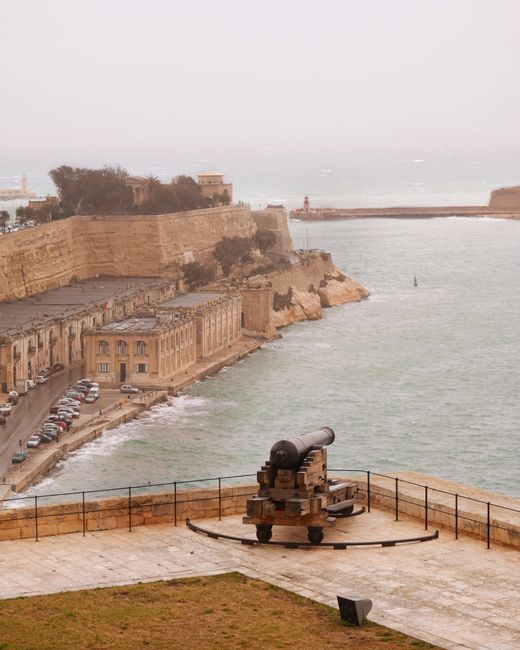
Local tips: link these visits into a walking loop to minimize travel. Manoel Theatre offers tours early morning or late afternoon — times that flatter the woodwork’s light. For the auberges, check with tourist offices for special openings; many remain administrative buildings but their façades are worth the detour.
Practical tips and recommended itineraries for a Baroque day
To make the most of Valletta’s Baroque heritage, here are two sample routes — a short (half-day) and a full-day itinerary — with durations and recommendations.
Short itinerary (3–4 hours) — concentrated morning
- 09:30 — St. John’s Co-Cathedral (1–1.5 h). Enjoy the morning light inside.
- 11:15 — Grandmaster’s Palace + Armory (1 h). A short walk from the cathedral via Republic Street.
- 12:30 — Quick lunch near Republic Street (cafés and small trattorias).
- 13:15 — Upper Barrakka Gardens for the view and a short rest (30 min).
Full itinerary (whole day)
- 09:00 — Fort St Elmo and the National War Museum (1.5–2 h).
- 11:30 — St. John’s Co-Cathedral (1–1.5 h).
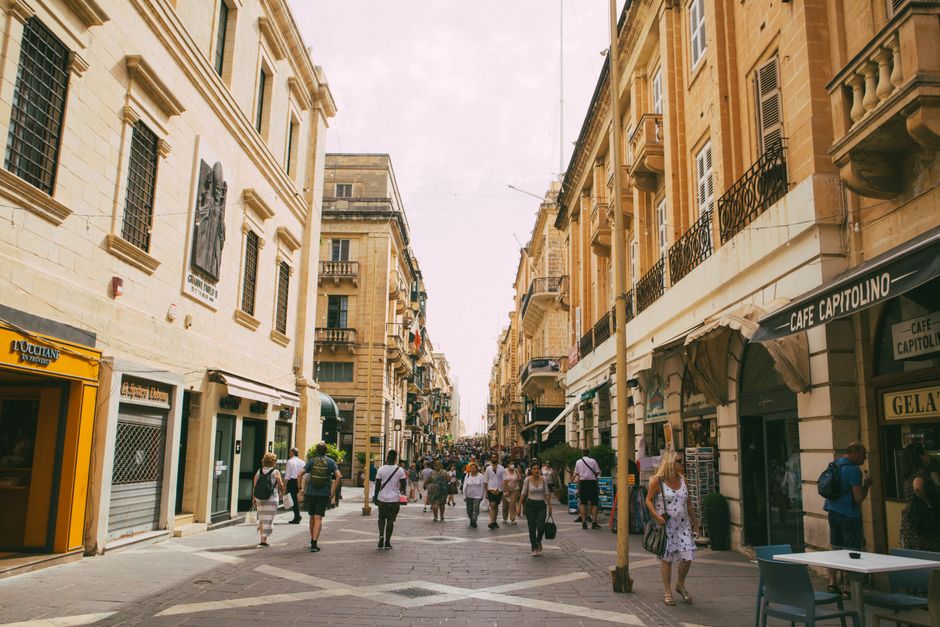
- 13:00 — Lunch in the side streets around Merchants Street / Republic Street.
- 14:30 — Manoel Theatre guided tour (1 h) then stroll to Auberge de Castille.
- 16:00 — Walk through Upper Barrakka, enjoy sunset and photos (1 h).
Budget tip: buy tickets online when possible — some museums offer discounts. If you’re staying several days, ask about combined passes (sometimes available for national museums). Museums often close between 16:00 and 17:00; plan accordingly.
Conclusion — how to read and feel Baroque in Valletta
Valletta reads like a treatise on applied Baroque in a fortress-city: every church, palace and rampart is a page where theatre, power and devotion sit side by side. Decorative richness — gilding, stucco, marble — isn’t just about beauty: it’s an instrument to represent knightly power and, later, the Maltese state. The museums and buildings in this guide offer multiple levels of interpretation: from the spectacular (St. John’s Co-Cathedral) to the functional (Fort St Elmo), and the intimate (the auberges’ chapels).
Taking time to linger in each place helps you grasp Maltese Baroque in its complexity: an art that is local and international (with Italian and Spanish influences), yet adapted to the strategic constraints of an island. Combine a historical perspective — situating each monument in its collective role — with sensory perception: the light through a stained glass, the echo of a nave, the worn smoothness of centuries-polished stone.
Finally, a few last-minute tips: respect religious service times in churches, favor morning visits for better light and fewer people, and mix museums with outdoor walks for a balanced experience. Valletta isn’t just to be seen — it’s to be felt, in a twisting Baroque staircase, a cobbled courtyard or a terrace overlooking the harbour. Take the time to look up at carved lintels, push open doors when you can, and above all savor a style that still speaks through stone and sea.