





Introduction — Valletta Accessibility: an overview of accessible streets and monuments
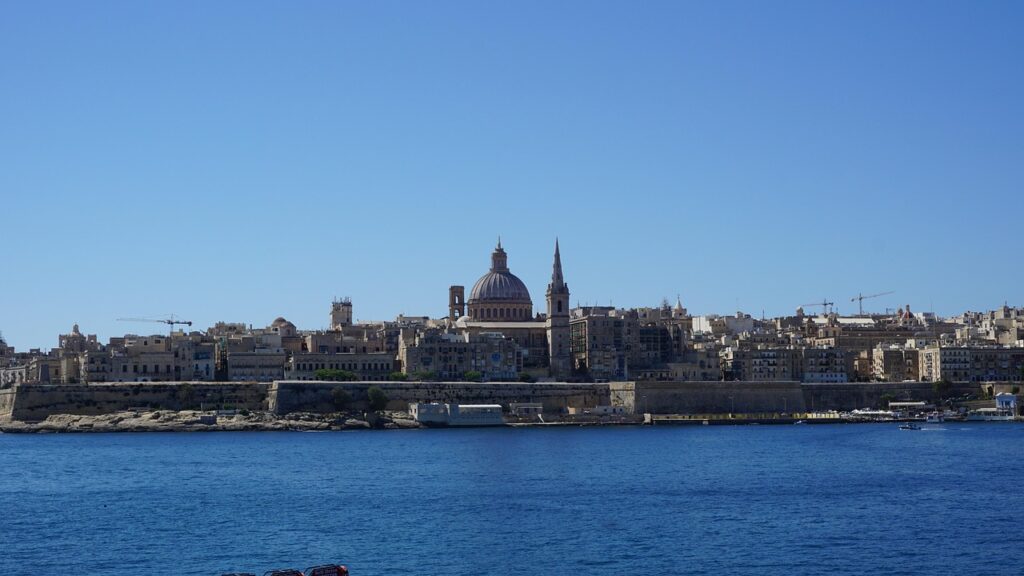
Valletta, Malta’s historic capital, is compact but full of slopes, ornate staircases and cobbled lanes. For visitors with reduced mobility, whether using a manual or powered wheelchair or needing extra mobility support, getting around Valletta can look daunting at first. Over the past decades, however, targeted efforts have improved access on main streets, squares and many national monuments. This guide gives you a practical, on-the-ground overview: exact addresses, opening hours, prices in euros, precise descriptions of facilities (ramps, lifts, lowered curbs, anti-slip surfaces) and local tips to help you enjoy a comfortable, safe visit.
We cover the main thoroughfares and the most visited sites — Republic Street (Triq ir-Repubblika), City Gate (Il-Bieb tal-Belt), the Upper Barrakka Gardens, St. John’s Co-Cathedral and the Grandmaster’s Palace — outlining access options, limitations and workarounds. The guide also includes accessible transport options (adapted taxis, shuttles, low-floor buses) and specialist services (wheelchair hire, tourist assistance). You’ll find practical advice for crossing paved areas, alternatives to stairs, and tips for avoiding peak crowds so you can tour at your own pace.
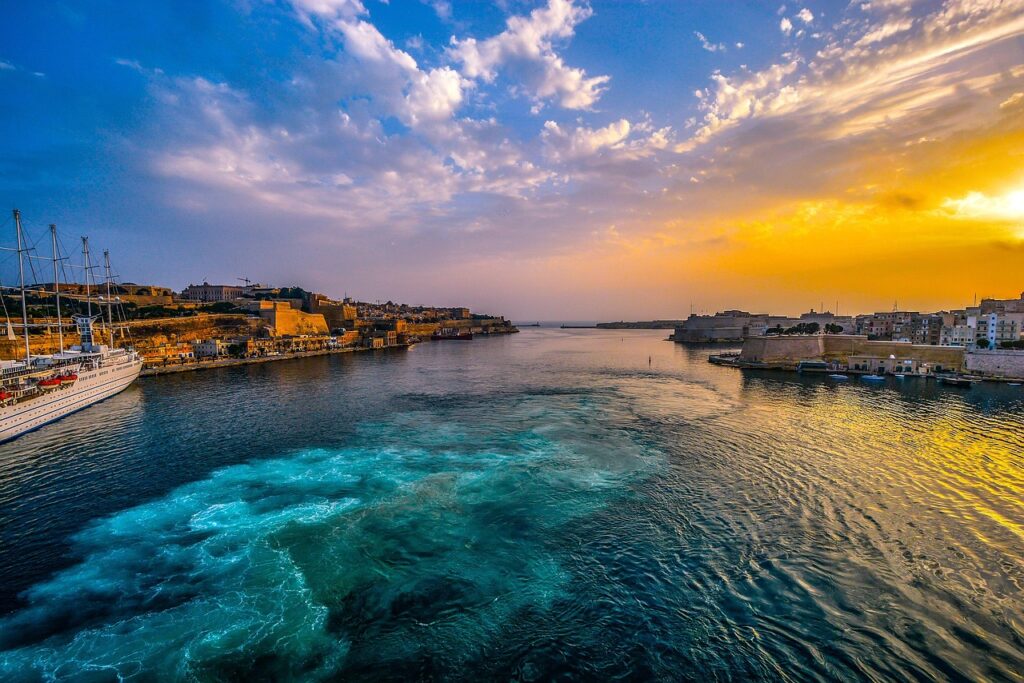
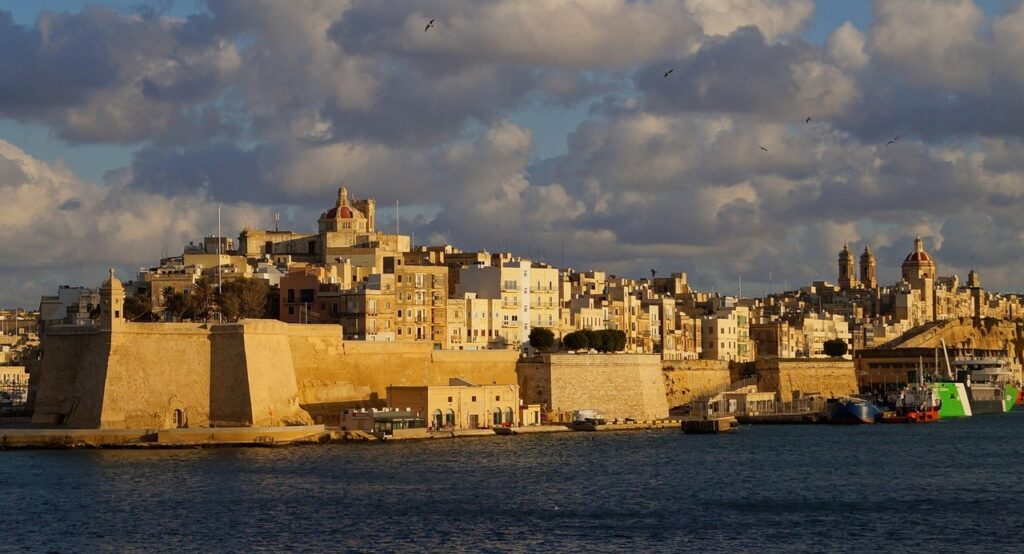
This resource is aimed at independent travelers, companions, families and tourism professionals looking to improve accessibility. The information includes prices and hours current at the time of writing, plus notes on sensory accessibility (audio guides, braille panels, tactile cues). You’ll also find visual markers to plan routes and suggested « no-stairs » itineraries that let you see Valletta’s highlights without unnecessary obstacles. With a little preparation, the city’s fortifications, Grand Harbour views and artistic treasures can be enjoyed by everyone.
Main streets and urban features: reading the public space
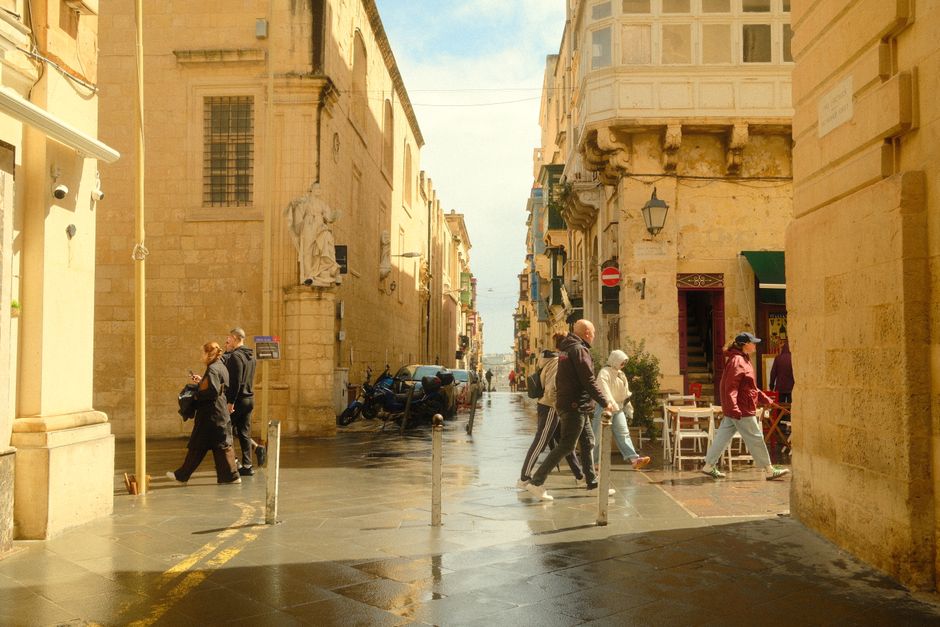
The spine of Valletta is Republic Street (Triq ir-Repubblika) and Merchant Street (Triq il-Merkanti). These arteries have been refurbished to ease movement: lowered kerbs at crossings, smooth surfaces on main pavements and sections of cobbles laid on a stabilized base to reduce vibration and unevenness. Republic Street (Triq ir-Repubblika, Valletta VLT 1110, Malta) is pedestrianised for most of its central stretch, which cuts down conflicts with motor traffic. Pedestrian zone hours generally align with shop opening times, roughly 09:00–19:00. However, large outdoor terraces can reduce usable space during busy periods, so mornings or late afternoons are often the most comfortable times to visit.
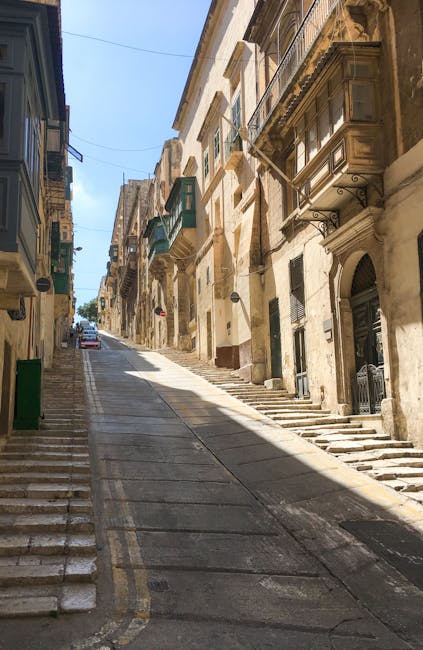
Merchant Street (Triq il-Merkanti) is narrower: despite some older surfacing, several sections have side ramps and widened crossings in front of public entrances. The areas around St George’s Square and Freedom Square feature stabilized surfaces suitable for wheelchairs. Crosswalk markings and pedestrian lights in the central area have been standardised: crossings include tactile strips for people with visual impairments and lowered ramps. Secondary lanes (the intimate backstreets of the historic core) often retain traditional cobbles and steps, so it’s wise to plan routes that stick to the main streets.
Local practical tip: enter the city via City Gate (Il-Bieb tal-Belt, Valletta VLT 1010, Malta), which offers a modern ramp leading into the pedestrian area. Orient yourself along the imaginary line from City Gate to the Upper Barrakka Gardens — this route is the most accessible and best equipped with benches, shaded spots and accessible toilets. Signage is in English and Maltese; most tourist-facing businesses speak English and can provide direct assistance if needed.
Major landmarks: detailed assessments and practical info
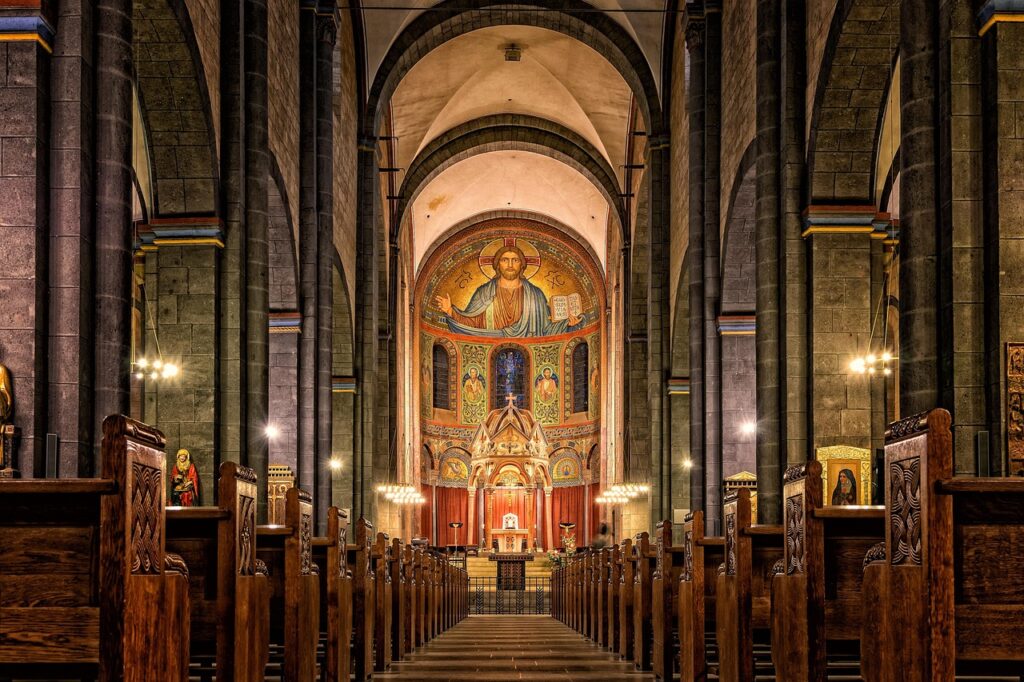
St. John’s Co-Cathedral (St John’s Co-Cathedral, St John’s Square, Valletta VLT 1241, Malta) — Hours: typically 09:30–16:30 (last admission 16:00), closed on some public holidays. Admission: €10 for adults (reduced rates for students and seniors, roughly €6). Accessibility: the main entrance has a permanent ramp and there is a lift to reach the nave. Interior aisles are wide enough for manual and electric wheelchairs; however the crypt and some side chapels have steps. An audio guide in English is available with adapted descriptions, and braille information panels are present at reception. Tip: avoid 11:00–14:00 to minimise queuing time.
Upper Barrakka Gardens (Upper Barrakka Gardens, Castille Place, Valletta VLT 1970, Malta) — Hours: 08:00–20:00 (seasonal variations). Price: free entry. Accessibility: the gardens sit on a platform reachable by a public lift from the lower Grand Harbour area (the lift is near the Siege of Knights). Main paths are flat and wide, with benches and viewing points set at accessible heights overlooking the Grand Harbour. The Saluting Battery (Lower Barrakka) is adjacent and provides observation platforms with ramps. Local tip: the upper terrace is beautiful at sunset but can get crowded — choose morning or late-afternoon weekdays for more space.
Grandmaster’s Palace (Grandmaster’s Palace, Republic Street, Valletta VLT 1110, Malta) — Hours: 09:30–17:00. Admission: around €12 for the public collection and state rooms. Accessibility: the main entrance has a removable ramp and there is a lift serving most of the museum rooms; some historic rooms retain high thresholds and may require assistance. On-site guides can arrange adapted visits in small groups. Tip: book ahead if you need special assistance to avoid waiting.
Transport, services and providers: getting around with ease
Moving around Valletta is often easier than in many European capitals thanks to its compact size. Malta Public Transport (MaltaBus depot, Bus Terminus, Valletta VLT 1010, Malta) has invested in a fleet of low-floor buses with ramps, easing access from main stops (Sliema Ferry, Valletta Bus Terminus). Intercity buses have displays and audio announcements. Indicative fares: a local single costs €2, and fares range €2–€7 depending on the ticket type; tourists can buy a Tallinja Plus card for multiple days (prices vary — for example €21 for 7 days at time of writing). Timetables vary: main routes run roughly 05:00–23:00, with some tourist lines operating later.
Accessible taxis: several companies offer adapted taxi services. Example: Accessible Malta Taxis — contact details are available via the Tourist Information Centre. Indicative fare: airport transfer to Valletta about €20–€30 depending on luggage. It’s recommended to book 24–48 hours in advance if you need a specialised vehicle. Equipment hire: there are local agencies in Valletta renting manual and electric wheelchairs (daily rates roughly €15–€40 depending on the model). The Tourist Information Centre at City Gate can help with bookings and provide lists of suppliers.
Assistance services: many museums and monuments offer personalised assistance — call ahead to arrange support. Information offices provide tactile maps and high-contrast plans for people with visual impairments. Final practical tip: download accessible route PDFs and save emergency numbers and accessible taxi contacts on your phone before arrival.
Conclusion — Summary and recommendations for a successful visit
With a bit of planning, Valletta proves to be very accessible and welcoming to travelers with reduced mobility. Main streets like Republic Street and Merchant Street, and landmark sites such as St. John’s Co-Cathedral, the Upper Barrakka Gardens and the Grandmaster’s Palace now feature concrete adaptations: ramps, lifts, wide paths and accessible signage. Public transport has made notable strides with low-floor buses and adapted taxi services, while local providers offer equipment hire and accompaniment services. Historic pockets with cobbles and secondary steps still exist; the key to a smooth visit is planning: stick to main routes, book specialist services in advance and choose less crowded time slots.
To optimise your experience: contact sites before arrival to confirm access arrangements, reserve adapted taxis or wheelchairs if needed, and carry a Valletta map marking public lifts and accessible toilets. Don’t forget small measures that make daily mobility easier: bring cushions for comfort, pack an external battery for powered medical devices, and make your assistance needs clearly visible when arranging support. Above all, give yourself time to soak up the cultural richness and Grand Harbour panoramas — when you know where to roll, Valletta is remarkably accessible and generous to all visitors.