





Introduction — Why Choose Valletta for a Stay and the Hotel vs Apartment Dilemma
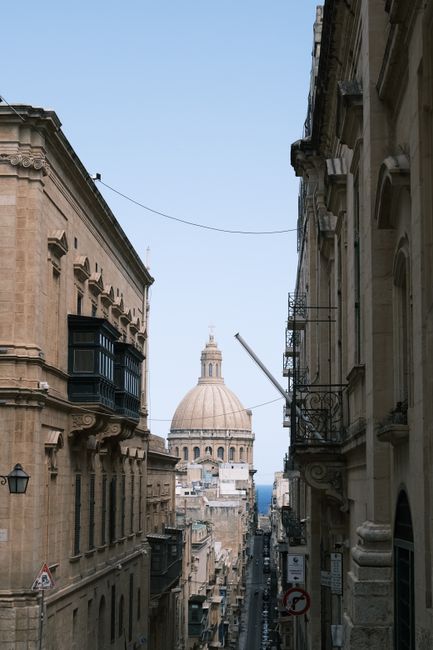
Valletta, Malta’s compact capital, is a UNESCO World Heritage port city. Founded in the 16th century by the Order of St. John, it packs an extraordinary number of monuments, museums, forts and sea views into a walkable area — making it perfect for a culture-packed city break, a foodie escape or a business trip. Where you stay in Valletta — hotel or apartment — has a real impact on your experience: comfort, local immersion, budget, services and day-to-day logistics all change depending on your choice.
In this practical, detail-oriented guide we compare the pros and cons of hotels and apartments in Valletta. We look at real properties, addresses, price ranges in euros (€), typical check-in times and local tips to help you make an informed decision. The goal is to provide a clear roadmap — whether you’re travelling solo, as a couple, with family, or on business — so you can make the most of your time in the city center.
Valletta is best explored on foot: streets are narrow, often cobbled, and most accommodation is concentrated within a compact area that includes Republic Street (Triq ir-Repubblika), Strait Street, Merchant Street (Triq il-Merkanti) and the bastions overlooking the Grand Harbour. Established hotels offer round-the-clock services (24-hour reception, breakfast buffet, concierge) that are handy for late arrivals or business procedures. Apartments, by contrast, deliver a more « local » experience: cooking at home, larger living spaces and often better value for longer stays — but they come with responsibilities (cleaning, provisioning, sometimes self check-in).
This guide highlights concrete examples: the 5-star The Phoenicia Malta (The Mall, Floriana FRN 1470) and the Grand Hotel Excelsior (67/68, Great Siege Road, Floriana FRN 1810) located near Valletta but offering full hotel services; the historic guesthouse Casa Ellul (76, St Lucia Street, Valletta VLT 1171), mixing charm and intimacy; and various independent apartments around Strait Street and Republic Street. For each option you’ll find:
- an immersive description of the atmosphere and neighborhood;
- indicative prices in euros per night (low/high season);
- practical hours (check-in/check-out, opening times of nearby sites);
- local tips: how to get around, where to eat, safety and etiquette advice.
Hotels in Valletta: Services, Comfort and Strategic Locations
Hotels in Valletta range from heritage boutique properties to large 4- and 5-star hotels on the shores of the Grand Harbour. Choosing a hotel means favoring logistical simplicity (reception desk, concierge, room service) and consistent standards — a big advantage for short stays or business trips.
Representative examples:
- The Phoenicia Malta, The Mall, Floriana FRN 1470 — price guide: €180–€350/night depending on season. Check-in: 15:00, check-out: 11:00. Services: outdoor pool, valet parking, fitness room, concierge. Vibe: classic luxury with gardens overlooking Valletta’s bastions — a prime spot for sunrise photos over the Grand Harbour. Book ahead for weekends and festival dates.
- Grand Hotel Excelsior Malta, 67/68 Great Siege Road, Floriana FRN 1810 — price guide: €120–€300/night. Check-in: 15:00, check-out: 11:00. Services: large pool, spa, possible private pier for transfers to the islands. Strategically located 10–15 minutes on foot from Republic Street (Triq ir-Repubblika) and the ferries to Sliema.
- Casa Ellul, 76, St Lucia Street, Valletta VLT 1171 — price guide: €150–€275/night. Check-in: 14:00, check-out: 11:00. Services: breakfast included, period design, limited reception. Ideal for travelers seeking charm and history in the heart of the city.
Concrete advantages of hotels:
- Consistent services: daily housekeeping, security, multilingual reception, help with tours and restaurant bookings.
- Comfort and facilities: central air conditioning, pools, meeting rooms and business services useful for corporate trips.
- Location: many prestige hotels sit close to the fortifications and the departure points for boat trips, making transfers to the Three Cities and Sliema straightforward.
Constraints:
- Higher prices in peak season (May–Sept): during carnival or music festivals rates can double.
- Smaller room sizes in standard city-center rooms: hotel rooms can feel compact compared with apartments.
- Less local immersion: a more international, standardized atmosphere.
Apartments in Valletta: Local Life, Space and Savings for Longer Stays
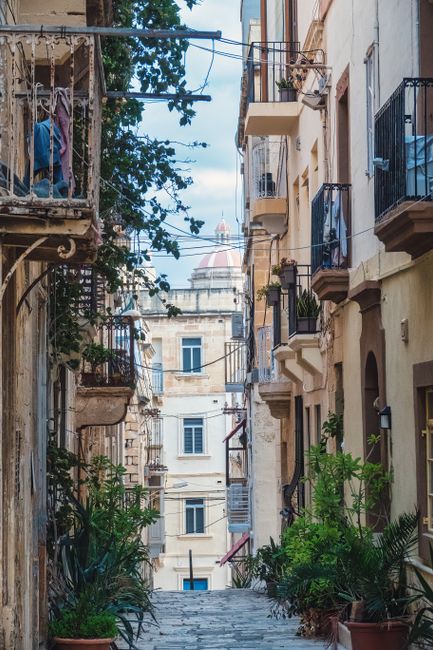
Choosing an apartment in Valletta means opting for independence. Options range from modern renovated studios to charming flats in listed buildings with original features (exposed beams, terracotta tiles). Many are tucked down quieter lanes like Strait Street, Old Theatre Street or Triq il-Merkanti, offering a more resident-like living experience.
Examples and price ranges:
- Renovated studio on Strait Street, Example Address: Strait Street, Valletta VLT 1116 — price guide: €60–€120/night (€350–€700/week). Check-in: flexible (often self check-in via key box or code). Perk: close to bars and restaurants, ideal for nightlife but you may want earplugs if the unit faces the street.
- Family apartment on Republic Street, Example Address: Triq ir-Repubblika, Valletta VLT 1110 — price guide: €120–€220/night. Perfect for 3–4 people, equipped kitchen, washing machine, balcony onto an internal courtyard — great for week-long stays or longer.
- Historic loft near Upper Barrakka, Example Address: Triq il-Merkanti, Valletta VLT 1176 — price guide: €140–€260/night. Harbour views and walking distance to museums.
Concrete advantages of apartments:
- Better value for longer stays: significant discounts for weekly or monthly bookings. Save on meals by cooking with local produce (Marsaxlokk market or supermarkets like Pavi Supermarket, 22, Strait Street, Valletta).
- Space and privacy: living room, kitchen, multiple bedrooms — especially useful for families or groups.
- Cultural immersion: live like a local, shop at the neighbourhood market, frequent corner cafés.
Constraints:
- Fewer immediate services: no daily housekeeping, no 24-hour reception (unless arranged otherwise).
- Check-in/check-out can be trickier with private owners — requires clear prior communication and documentation.
- Variable quality: check recent photos, reviews and confirm amenities (heating/AC, Wi‑Fi, lift — many historic buildings lack elevators).
Practical Tips and Local Advice to Help You Decide
Before booking, consider your trip length and planned itinerary. For a 2–4 day weekend focused on museums (St. John’s Co-Cathedral, Grandmaster’s Palace), a central hotel like Casa Ellul can maximize time and convenience. For a week or longer, an apartment with a kitchen will save on meals and improve daily comfort.
Useful opening times and addresses:
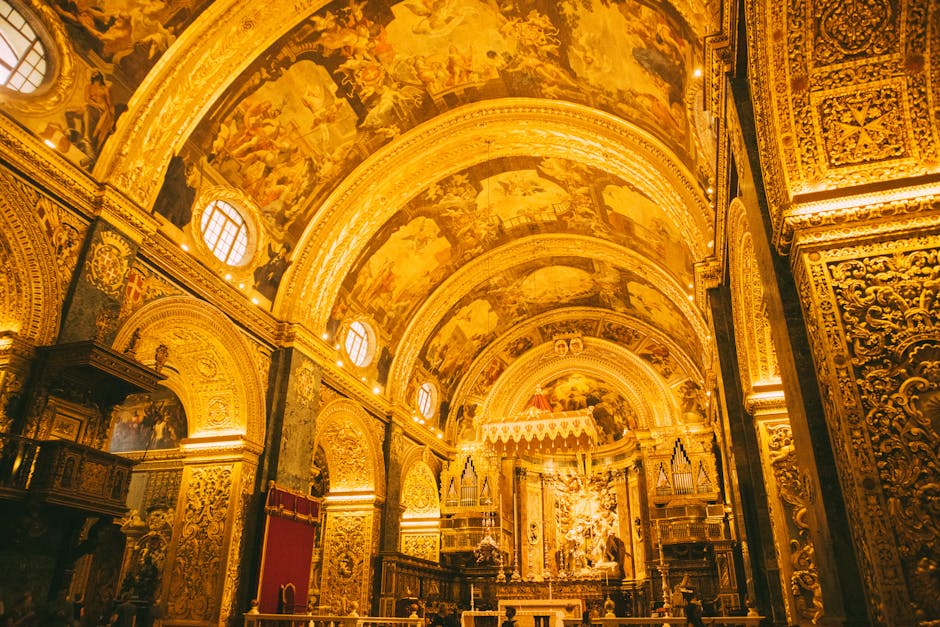
- St. John’s Co-Cathedral, Triq San Gwann, Valletta VLT 1190 — hours: 09:00–17:00 (last entry 16:15), closed on certain public holidays. Admission: about €10–€15. Atmosphere: richly decorated Baroque interiors and a Caravaggio masterpiece.
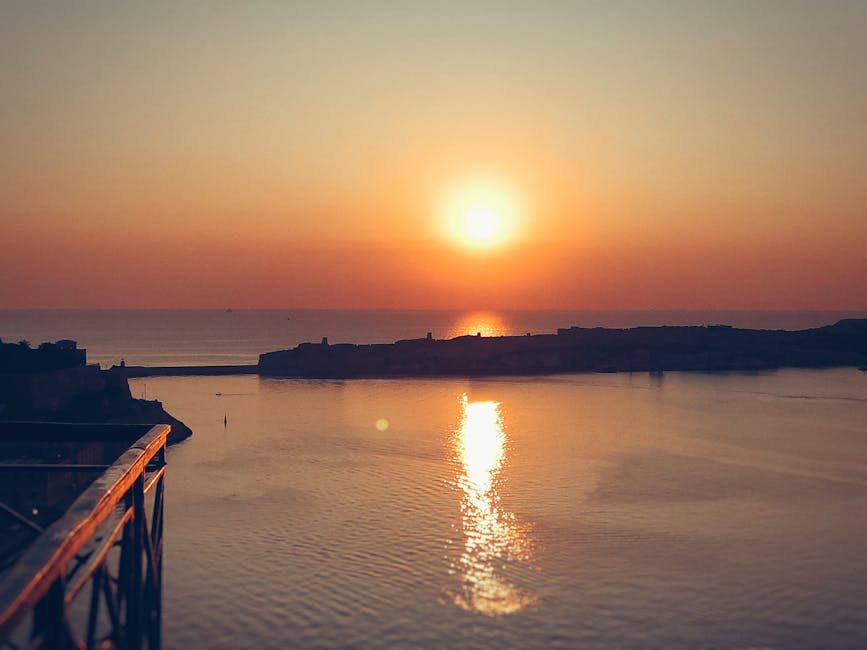
- Upper Barrakka Gardens, National War Memorial, Valletta — open 24 hours, kiosks often open 09:00–18:00. Best time: sunrise and sunset for panoramic views of the Grand Harbour.
- Valletta Ferry Terminal, South Street, Valletta — first ferry to Sliema around 06:00, last departures near 23:30. Approx fare: €1.50–€2.50 depending on destination.
Logistics tips:
- Transport: Valletta is compact — walking is the best option. For nearby destinations use the ferry (Valletta ↔ Sliema) or buses (Central Bus Terminus near Republic Street). Bus fare: €1.50–€2.00 per trip with a rechargeable Tallinja card.
- Luggage: if you stay in an apartment without a lift, request a low-floor unit or porter help. Hotels often provide complimentary luggage assistance.
- Booking: during high season (June–August) and events (Malta Jazz Festival, Notte Bianca) book several months in advance, especially for boutique hotels and well-located apartments.
- Safety: Valletta is safe; still be aware in tourist areas at night and avoid leaving valuables visible in rental cars.
Costs vs Benefits at a Glance and Recommendations by Traveler Type
Here’s a pragmatic summary for different traveler profiles:
- Business traveler (1–3 nights): pick a hotel (The Phoenicia Malta or Grand Hotel Excelsior) for business services, reliable Wi‑Fi, meeting rooms and 24-hour reception. Budget: €120–€350/night.
- Couple on a romantic break (2–4 nights): choose a boutique hotel like Casa Ellul for charm and proximity to fine dining (e.g. Noni Restaurant, 24, Old Theatre Street — typically open 18:30–22:30; menus €35–€60/person). Budget: €150–€275/night.
- Family or group (5+ nights): a roomy apartment on Republic Street or Triq il-Merkanti for kitchen facilities and living space — cost per person often better from around €80/night depending on comfort level.
- Budget traveler / long stay: renovated studio on Strait Street or a homestay — averages €50–€90/night with discounts for weekly/monthly bookings.
In short: hotels = comfort, services, simplicity; apartments = immersion, space, savings for longer stays. Consider trip length, purpose and how much convenience you want before deciding.
Conclusion — Which Option for Your Next Stay in Valletta?
The hotel-versus-apartment choice in Valletta ultimately comes down to priorities: time-saving convenience and consistent comfort for short trips, or immersion, space and cost-efficiency for extended stays. If your schedule is tight — conferences, meetings or intensive museum visits — a hotel gives you a reliable, efficient base with services to make the most of every minute. For a slower-paced trip focused on getting to know a neighborhood and everyday Maltese life, an apartment provides valuable freedom and very good value, particularly for stays over a week.
Final tips: always check recent reviews on reputable booking platforms, ask for up-to-date photos, clarify check-in/check-out procedures and cleaning policies if you choose an apartment. Keep local opening hours in mind (shops often open 09:00–18:00, restaurants typically serve evening meals 18:30–22:30) and make time for Valletta’s highlights: St. John’s Co-Cathedral (Triq San Gwann), Upper Barrakka Gardens (National War Memorial), strolls along the bastions and ferry trips to Sliema and the Three Cities to round out your stay.
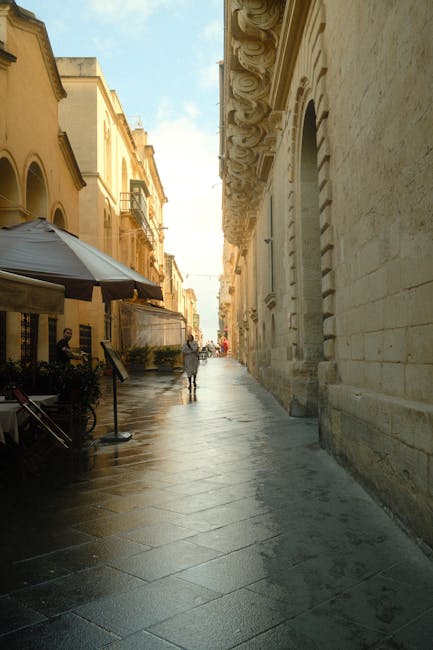
Whatever you pick, Valletta delivers a rare cultural and visual richness: Baroque façades, narrow streets and sweeping sea panoramas — your accommodation will simply be the anchor for a memorable experience in this Mediterranean capital.