





Introduction — A cultural day in Valletta
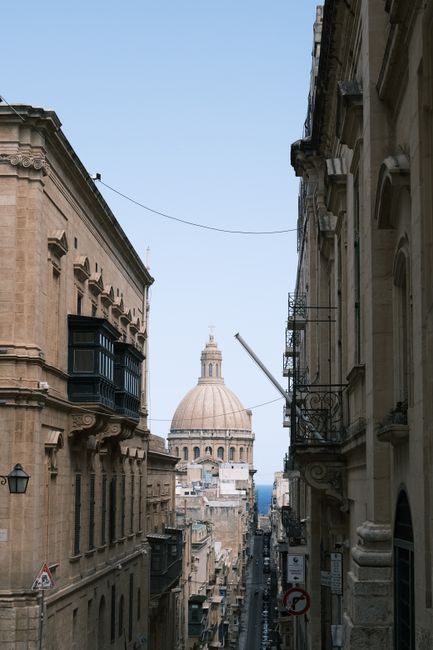
Valletta, Malta’s historic and cultural capital, packs an extraordinary concentration of museums, baroque churches, forts and seaside viewpoints into a compact area that tells millennia of Mediterranean history. Laid out by the Knights of St. John in the 16th century, the fortified city unfolds narrow streets, richly decorated auberges and sunny squares like an open-air museum. For the time-pressed curious traveler, a well-planned day lets you move through eras: from Maltese prehistory to the baroque heyday and the echoes of World War II.
This practical, immersive guide is built around a one-day museum and heritage route in Valletta, including exact addresses, indicative prices in euros, opening hours and local tips to make the most of your visit. The suggested pace favors short walks between sites to minimize transit time — Valletta is compact, and walking is not only doable but the best way to enjoy its alleys and façades. You’ll also find suggestions for coffee and lunch stops, tips to avoid queues and highlights to look out for at each stop.
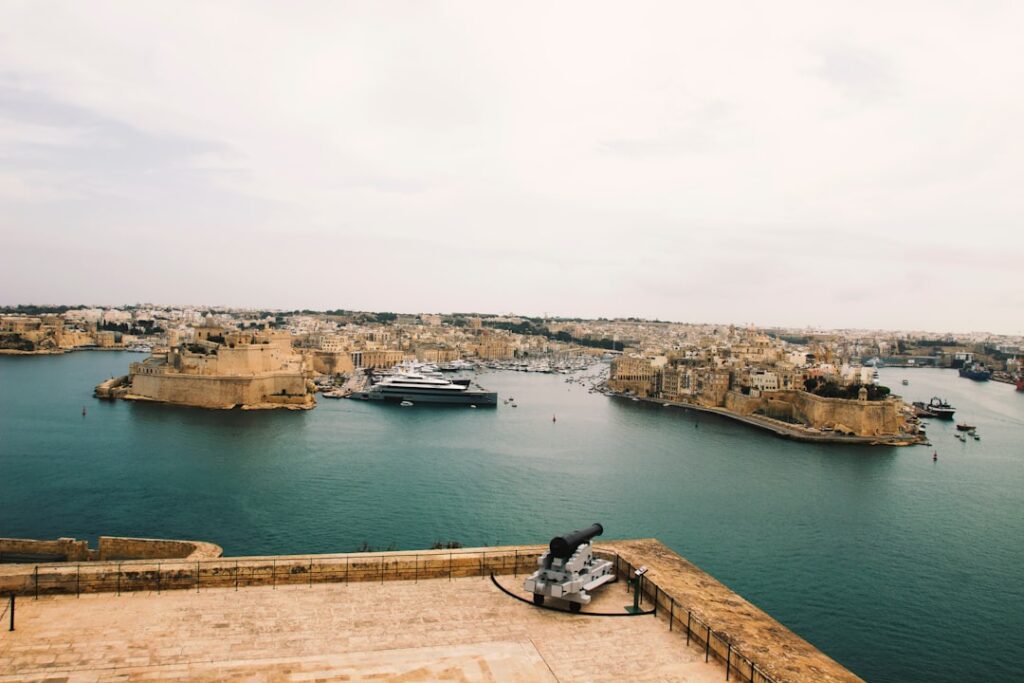
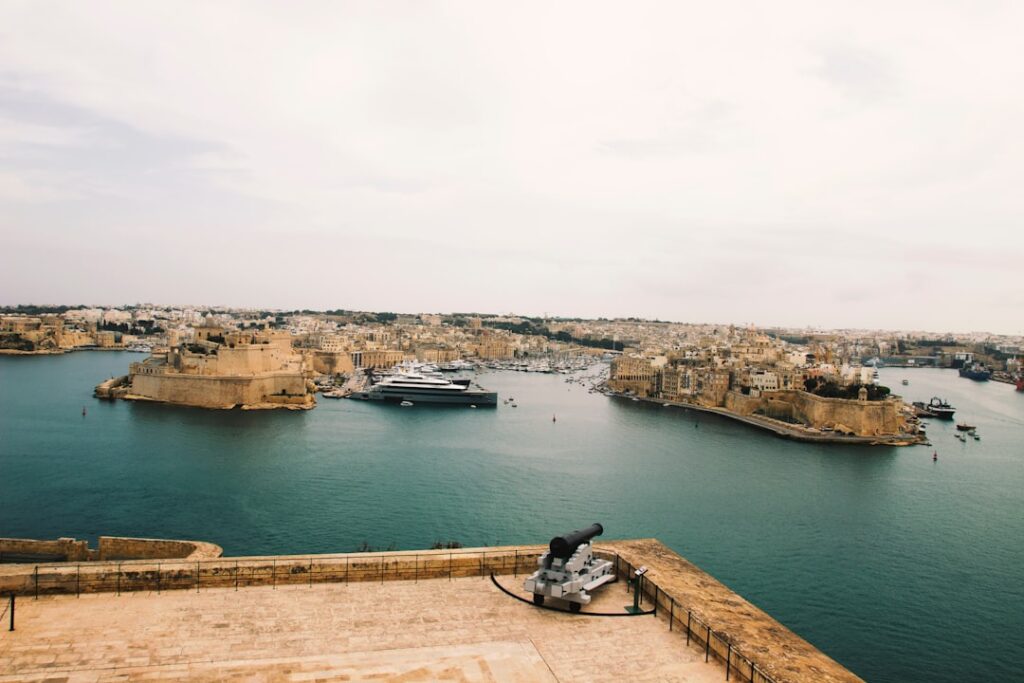
The ideal day starts early: morning light brings out the warm honey stone and delivers exceptional views over the Grand Harbour. The main museums cluster around Republic Street and the eastern tip of the peninsula, up toward Fort St. Elmo. To close out the day, the Upper Barrakka Gardens provide a spectacular panorama of the Three Cities (Vittoriosa, Senglea and Cospicua) — a perfect spot for a memorable sunset.
Before you go, double-check up-to-date opening hours and ticket prices: some institutions offer reductions for seniors, students or Maltese residents, and museums sometimes close temporarily for conservation or events. This guide gives indicative times and fees to help plan your day efficiently. Bring comfortable shoes, a camera and a healthy curiosity: in Valletta every doorway, chapel and paving stone has a story to tell.
Morning: From MUŻA to the National Museum of Archaeology — art and prehistory
Start your day at the heart of Malta’s contemporary and heritage art by visiting MUŻA — The Malta National Community Art Museum, housed in Auberge d’Italie, Republic Street, Valletta VLT 1116, Malta. Indicative opening hours: 10:00–17:00 Tuesday to Sunday, closed Monday; prices: adult €10, student/65+ €7, children <12 free. MUŻA brings together Maltese artistic traditions and Mediterranean exchanges with paintings, drawings and applied arts. Don’t miss the rooms devoted to 19th- and 20th-century Maltese artists and the curated thematic displays that frame the islands’ visual history.
A short walk along the same main street will take you to the National Museum of Archaeology, Republic Street, Valletta VLT 1116, Malta. Indicative hours: 09:00–17:00 daily; prices: adult €10, student/65+ €7, children <6 free. Run by Heritage Malta, this museum houses the island’s most significant prehistoric collection: stone figurines, Neolithic pottery and standout pieces such as the famous sculptures like the Venus of Għar Dalam and the Tarxien stelae. The displays trace the chronology of Malta’s earliest societies, offering a fascinating look at island life, beliefs and technical skills (stoneworking, ceramics).
Practical tips: arrive at opening time to avoid crowds, especially in high season. Allow about 1h30 for MUŻA’s main galleries and another 1h30 for the National Museum of Archaeology — their proximity makes it easy to walk between them and admire the façades of the knights’ auberges en route. For a deeper experience, pick up an audio guide where available or join a guided tour (often in English) that contextualizes the artefacts.
Midday: St John’s Co-Cathedral and lunch on Republic Street
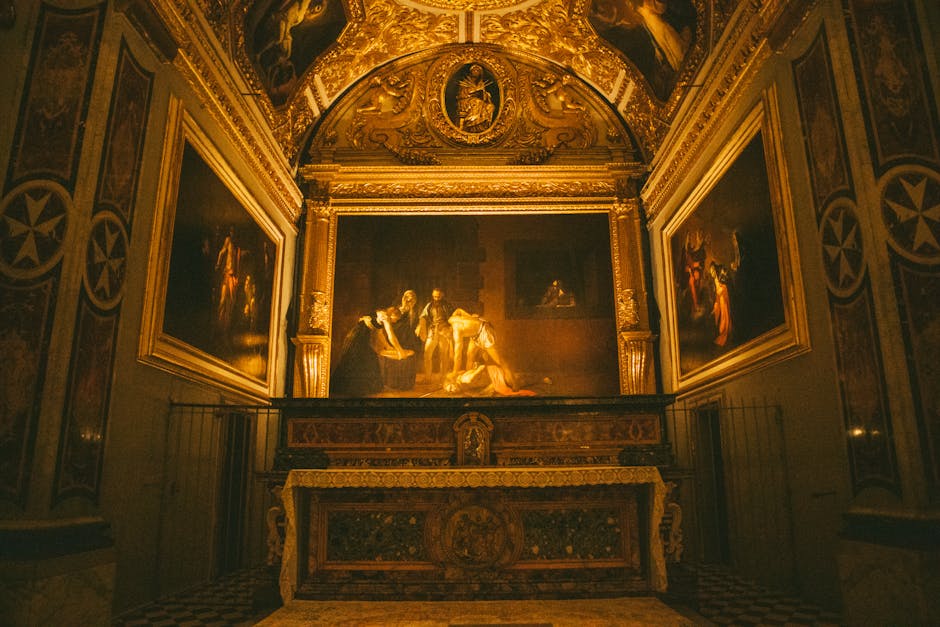
After the museums, head to one of Valletta’s baroque masterpieces: St John’s Co-Cathedral, St John Street (Triq San Gwann), Valletta VLT 1196, Malta. Indicative hours: 09:30–16:30 (last entry 16:00), closed Sunday morning for services; prices: adult €15, student/65+ €10, child 6–11 €5. The cathedral is famed for its lavish interior: gilded ceilings, carved choir stalls, ex-votos and, most notably, the great work by Caravaggio, The Beheading of Saint John the Baptist, displayed in the co-cathedral chapel. Take time to explore the side chapels, each decorated by the different langues of the Order of St. John — every chapel reveals regional coats of arms and a unique artistic identity.
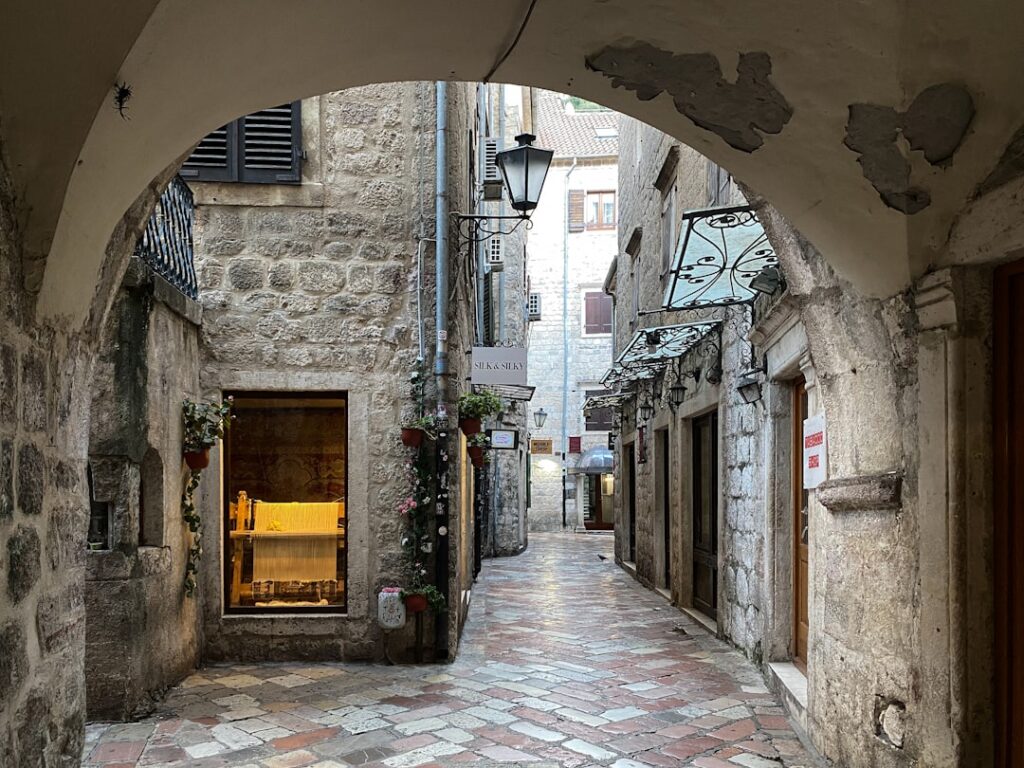
Afterwards, stop for lunch on Republic Street or in the nearby side streets. Suggestions: Caffe Cordina, 244 Republic Street, Valletta VLT 1117 — indicative hours: 08:00–19:30; fare: classic pastries, sandwiches and light dishes; price range: dish €8–€18. For a more traditional Maltese meal, Rubino, 74 Old Bakery Street, Valletta VLT 1455 is a local institution (indicative hours: 12:00–15:00 / 18:30–22:30, mains €12–€25).
Tips: book a table in high season or at peak lunch time. If you’re short on time, grab a quick takeaway sandwich so you can continue the route without delay. Use the chance to buy a bottle of water and protect yourself from the sun — Valletta is exposed and the light can be strong, especially in summer.
Afternoon: Fort St. Elmo, National War Museum and the Lascaris Tunnels
The afternoon is perfect for diving into Malta’s military history. Start at Fort St. Elmo — National War Museum, Fort St. Elmo, Valletta VLT 1010, Malta. Indicative hours: 09:00–17:00; prices: adult €10, student/65+ €7, children <6 free. Located on the fortress guarding the entrance to the Grand Harbour, the museum chronicles Malta’s military past from antiquity through World War II. Exhibits cover the Great Siege of 1565, historic weaponry and more recent artefacts like badges, uniforms and WWII equipment.
Nearby, visit the Lascaris War Rooms, Lascaris Ditch, Valletta VLT 1250, Malta (located beneath the gardens and within walking distance of Fort St. Elmo). Indicative hours: 09:30–17:00; prices: adult €8, student/65+ €6. These underground tunnels served as the British strategic command centre during World War II and provide an immersive experience: operations rooms, radio communications, maps and realistic reconstructions show how the island was coordinated during sieges and air raids. The cool underground air is also a welcome refuge on hot days.
Practical tips: allow at least 1h30 for Fort St. Elmo and about 1h for the Lascaris War Rooms. Spaces can be humid and staircases narrow — wear shoes with good grip. If you’re particularly interested in WWII history, consider a guided tour that expands on Malta’s strategic Mediterranean role and brings civilian and military stories to life.
Late afternoon & evening: Upper Barrakka, the Saluting Battery and a sunset stroll
To finish your cultural day, climb up to the Upper Barrakka Gardens, Battery Street, Valletta VLT 1196, Malta — free entry. Hours: the public garden is open for most of the day (lawns and walkways are accessible), but the adjacent Saluting Battery has specific times for the cannon firing. The view from the gardens over the Grand Harbour and the Three Cities is breathtaking, especially late afternoon when the light turns golden.
Just below, the Saluting Battery, St Peter & Paul Bastion, Valletta, offers ceremonial salutes: indicative firing times are 11:00 and 16:00 (variable); participation is usually by small contribution or suggested donation, often free but follow on-site instructions. The sound and spectacle of the cannon salutes — performed by trained technicians — is a memorable, very Maltese moment that underlines the island’s maritime significance.
Afterwards, continue your walk along the quays toward the Lower Barrakka, or head down Merchant Street to browse craft shops and wine bars. For dinner, several charming choices await: Rampila Restaurant, St. John’s Cavalier, Valletta VLT 1102 (indicative hours: 12:00–23:00, mains €20–€35) offers Mediterranean dishes in a historic setting, or opt for more casual bistros around Strait Street for a lively evening atmosphere.
Local tip: stay for the sunset — the light on the limestone façades is stunning. If you have time for a short trip, the ferry services to the Three Cities (Vittoriosa Ferry) from the quays give a different perspective of illuminated Valletta.
Practical tips, combined tickets and suggested itinerary
Make the most of your day by considering combined tickets and tourist passes. Several Heritage Malta sites and MUŻA offer joint tickets or day passes that can reduce the total cost if you plan to visit three or four attractions. Ask at MUŻA’s or the National Museum of Archaeology’s information desk for current offers.
- Start: 09:00 — MUŻA or National Museum of Archaeology.
- 10:30: St John’s Co-Cathedral — allow 1h to 1h15.
- 12:00: Lunch on Republic Street (Caffe Cordina or Rubino).
- 13:30: Fort St. Elmo — National War Museum, 1h30.
- 15:30: Lascaris War Rooms — 1h to 1h15.
- 17:00: Upper Barrakka Gardens and Saluting Battery for sunset.
- 19:00: Dinner and an evening stroll (Strait Street).
Other tips: buy tickets online when possible to skip lines; carry a bank card and some cash (euros) for donations or small purchases. Museums usually have restrooms and small gift shops — favor locally made crafts (pottery, lace, honey-based products). Also check public holidays and exceptional closures: some institutions close on Mondays or have reduced hours.
Conclusion — Why a day in Valletta is worth it
Valletta offers a rare concentration of heritage: in a single day you can move from prehistory to baroque art to modern military history, while enjoying unforgettable sea views. This guide lays out a walkable itinerary with precise addresses, indicative hours and prices to help plan your visit efficiently. Preparation is key: check opening times, purchase tickets in advance where possible, and pace yourself so you can appreciate each site without rushing.
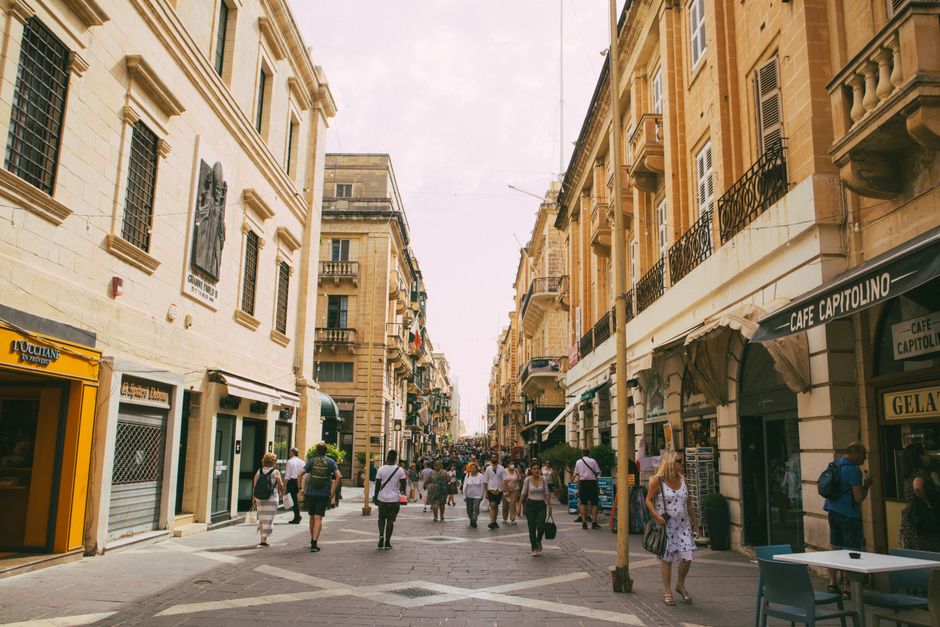
Beyond the museums, Valletta is best experienced in its cafés, alleys and gardens: leave time to wander, admire carved façades, step into a local bakery or simply sit and watch the boats. Small, unexpected discoveries (a decorated chapel, a craft shop, a sunny bench) often enrich the major sights. And if you fall in love with the place, come back to explore the Three Cities or other museums around the island at greater leisure.
Enjoy your cultural day in Valletta: you’ll leave not just with photos and souvenirs but with a renewed understanding of how a strategic island shaped Mediterranean history. Take your time, respect the sites — and let Valletta tell its stories, stone by stone.