





Introduction: Accessible accommodation in Valletta — why this guide matters
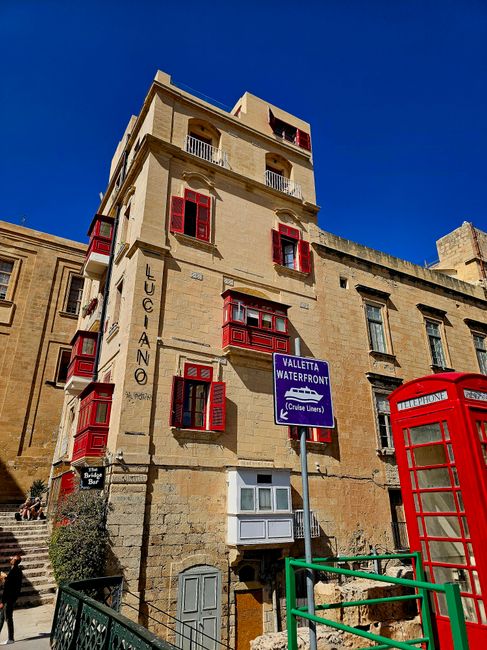
Valletta, Malta’s historic and cultural capital, draws visitors year-round for its baroque heritage, fortifications overlooking the Grand Harbour, and steep streets dotted with cafés and shops. But for people with reduced mobility, families with strollers, older travellers, or anyone who needs specific adaptations, staying in the fortified city takes more than choosing the right neighbourhood: it requires clear, practical knowledge about accessible lodging options, usable routes, local rules and available services. This guide is designed to meet those needs: it lists exact addresses, detailed descriptions of facilities, indicative prices in euros, useful opening hours and local tips to help you avoid unpleasant surprises.
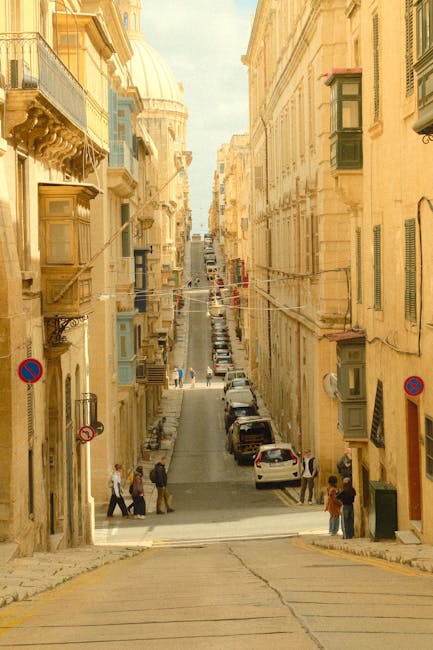
Valletta brings obvious architectural challenges: cobbled lanes, steep ups and downs, historic staircases and sometimes narrow pavements. Still, the city has made notable progress in recent years to improve visitor access. Many hotels, guesthouses and accessible apartments now advertise adapted rooms, ramps, compliant elevators and accessible bathrooms. Other places offer extra services like adapted transfers, wheelchair hire, arrival assistance or ground-floor rooms. This guide covers various types of accommodation — boutique hotels, larger hotels, apartments and B&Bs — with a focus on practical, verifiable information.
Throughout the sections you’ll find:
- Immersive descriptions of properties: atmosphere, exact location, key accessibility highlights.
- Exact addresses to help plan travel and bookings.
- Indicative prices in euros for accessible rooms, plus booking and cancellation policies.
- Reception and restaurant hours, and any available welcome services.
- Concrete local tips: how to reach attractions, which entrances to use, which streets to avoid in a wheelchair, and how to organise airport transfers.
Important note: although this guide provides detailed and up-to-date information at the time of writing, it’s strongly recommended to contact the chosen property directly before booking to confirm the specific adaptations you need (door widths, grab bars, walk-in showers, bed heights, etc.). Online photos and descriptions don’t always reflect the on-site reality; a written confirmation and, if possible, extra photos from the hotel will reduce the risk of nasty surprises.

1) High-end hotels with accessible options (locations, services and pricing)
Upscale hotels in and around Valletta have often invested in accessibility to cater to an international clientele. These venues typically offer adapted rooms, wide lifts and extra services. Below is a selection of hotels known for their accessibility arrangements, including addresses, indicative prices, opening hours and detailed descriptions.
The Phoenicia Malta — luxury hotel near the city walls
Name: The Phoenicia Malta
Address: The Mall, Floriana FRN 1471, Malta
Indicative price: Accessible room from €220 / night in low season; €320–450 / night in high season (May–Sept). Prices may vary depending on board type and extras.
Hours: Reception open 24/7; check-in from 15:00, check-out by 11:00. Main restaurant open 07:00–22:30, bar 10:00–01:00.
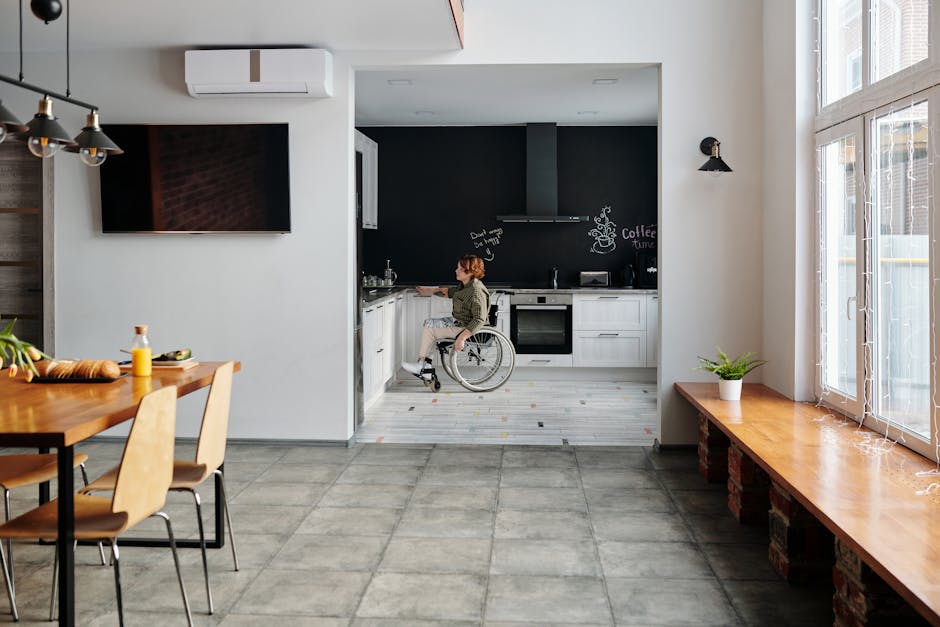
Description: The Phoenicia, set at Valletta’s Floriana entrance, is a historic 5-star hotel surrounded by gardens with sweeping harbour views. The hotel offers adapted rooms with walk-in showers, grab bars and step-free access. The main entrance has a ramp and the lifts are wide enough for wheelchairs. Concierge staff can arrange adapted vehicle transfers from Malta International Airport (Luqa). Public areas and the restaurant are accessible. Book through the official website or email to specify assistance needs.
Hotel Juliani — accessible accommodation nearby with shuttle options
Name: Hotel Juliani (note: located in St. Julian’s, easily reachable from Valletta by 15–20 minute taxi ride)
Address: 35/37 Dingli Street, St. Julian’s STJ 3311, Malta
Indicative price: Accessible room from €130 / night off-season; €180–260 / night in high season.
Hours: Reception 08:00–23:00 (night service on request); restaurant open 07:30–22:30.
Description: Although based in St. Julian’s, Hotel Juliani is popular with visitors who want easy access to Valletta while staying near an accessible seafront. The hotel has at least one adapted room, a wide lift and an accessible terrace. The concierge can arrange adapted minibus transfers and provide information on accessible beaches such as St. George’s Bay. A good choice for combining Valletta sightseeing and time by the sea.
Practical tips for luxury hotels
Before confirming a booking at a top-tier hotel:
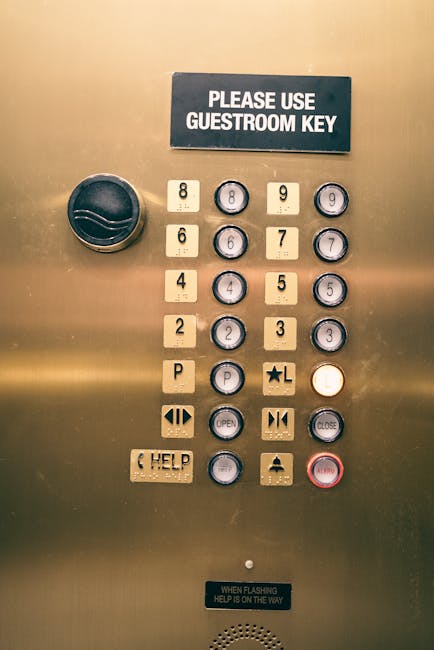
- Request recent photos of the accessible room, including the bathroom and entrance.
- Check door widths (minimum 80–90 cm for most powered wheelchairs).
- Confirm the presence of grab bars in toilets and showers, and the height of shower seats/bed.
- Ask about extra services: equipment hire (wheelchairs, commodes), help getting in/out of vehicles, and room service hours if you need meals delivered to your room.
2) Accessible apartments and self-catering options: freedom and precautions
Apartments and self-catering rentals (Airbnb, Vrbo, local agencies) can offer great freedom and often better value, but it’s essential to check adaptations carefully to avoid disappointment. Valletta has renovated apartments in historic palazzos: some are accessible, others are not. Here’s how to choose wisely and a sample listing with pricing.
Palazzo auf Valletta — accessible apartment in a restored building
Name: Palazzo auf Valletta (example of a charming adapted apartment)
Address: 12, Triq il-Merkanti / Merchants Street, Valletta VLT 1172, Malta (indicative address — verify with the host)
Indicative price: €90–170 / night depending on season; weekly rates often lower (€600–1000 / week).
Hours: Self check-in possible by arrangement; arrival times flexible if notified 24–48 h in advance.
Description: Restored palazzo apartments around Merchants Street or Strait Street offer space, a fitted kitchen and sometimes a ground-floor bedroom with step-free access suitable for wheelchair users. The advantage is the ability to cook and feel at home. However, many historic buildings lack lifts: check the floor level, whether there is a lift and the stair width. Ask the host for precise measurements and photos of the entrances.
Tips for choosing an accessible apartment
Before booking a self-catering property:
- Get exact measurements of the front door, internal doors and space around the bed. Note the height and number of any steps.
- Confirm the floor level and the presence of a working lift. Some lifts in palazzos are narrow and may not suit powered wheelchairs.
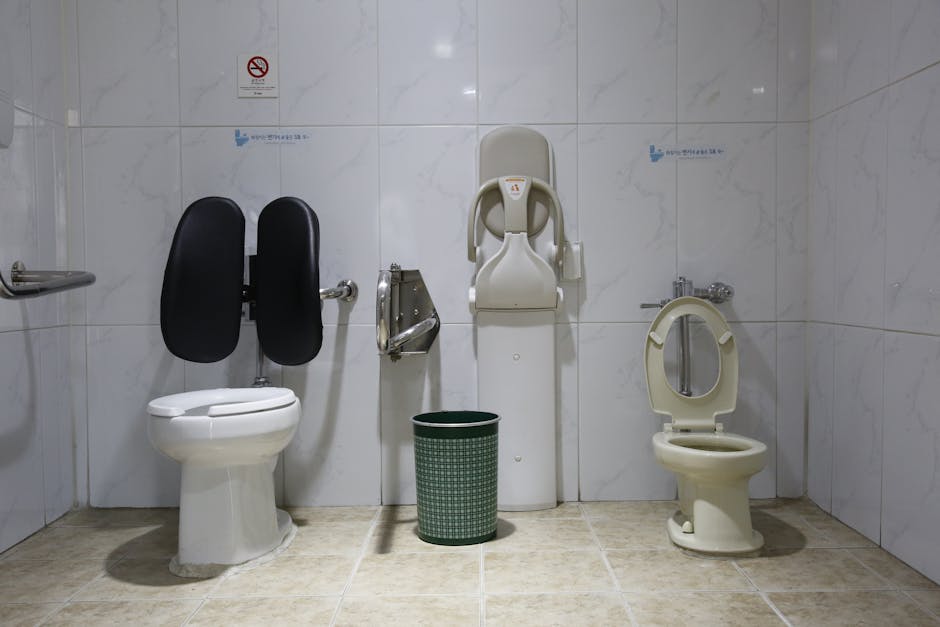
- Ask about the bathroom layout: level-entry shower, grab bars, no shower curb, or the possibility to add a shower stool.
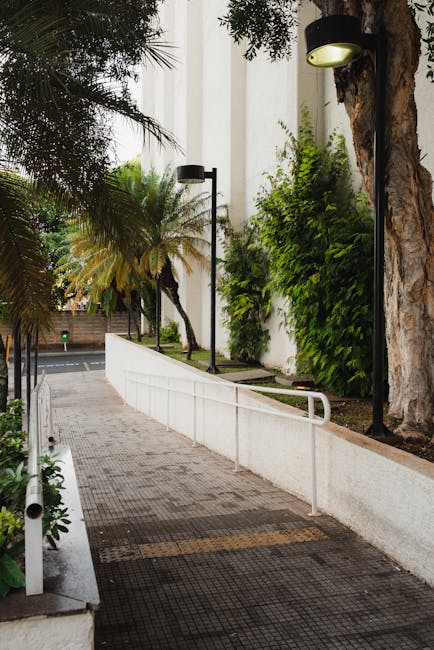
- Check building access: pedestrian street, curb drops, entrance slope. Some historic streets are cobbled and hard to navigate — prefer entries via squares or main streets that are more wheelchair-friendly.
3) Guesthouses, B&Bs and small local places: authenticity and pragmatism
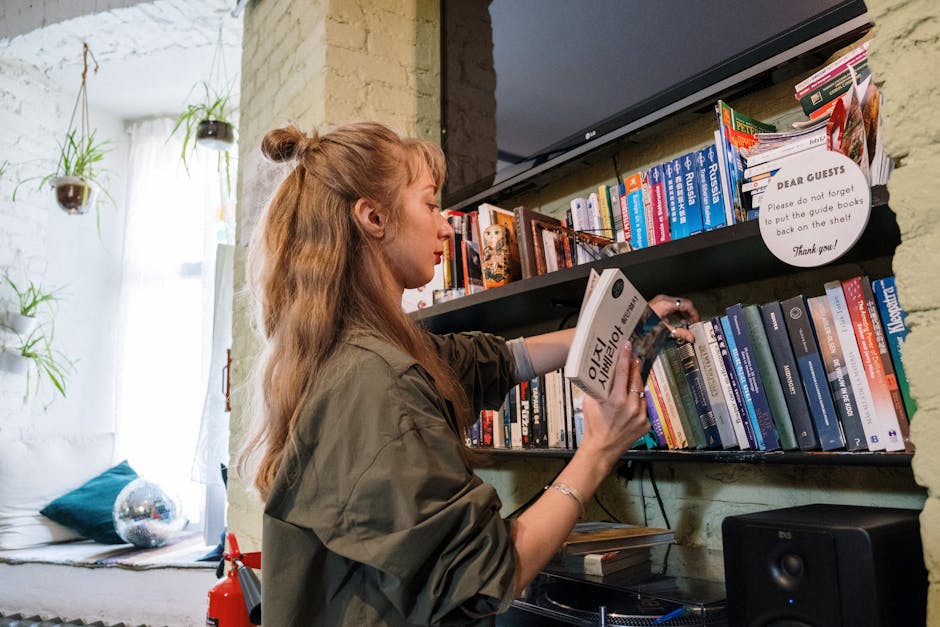
For a more intimate and often cheaper stay, Valletta’s guesthouses and B&Bs are an excellent option. These places are typically run by families or local hosts who can offer personalised attention and practical advice about the city and accessibility. Infrastructure varies widely: some B&Bs sit in older buildings without lifts, while others have been adapted.
Casa Ellul — boutique B&B with accessible options in a heritage house
Name: Casa Ellul
Address: 46, Old Theatre Street, Valletta VLT 1424, Malta
Indicative price: Double room from €180 / night; accessible suite from €240 / night. Breakfast included in most rates.
Hours: Reception 08:00–20:00 (late arrivals by request), check-in from 14:00, check-out by 11:00. Breakfast served 08:00–10:30.
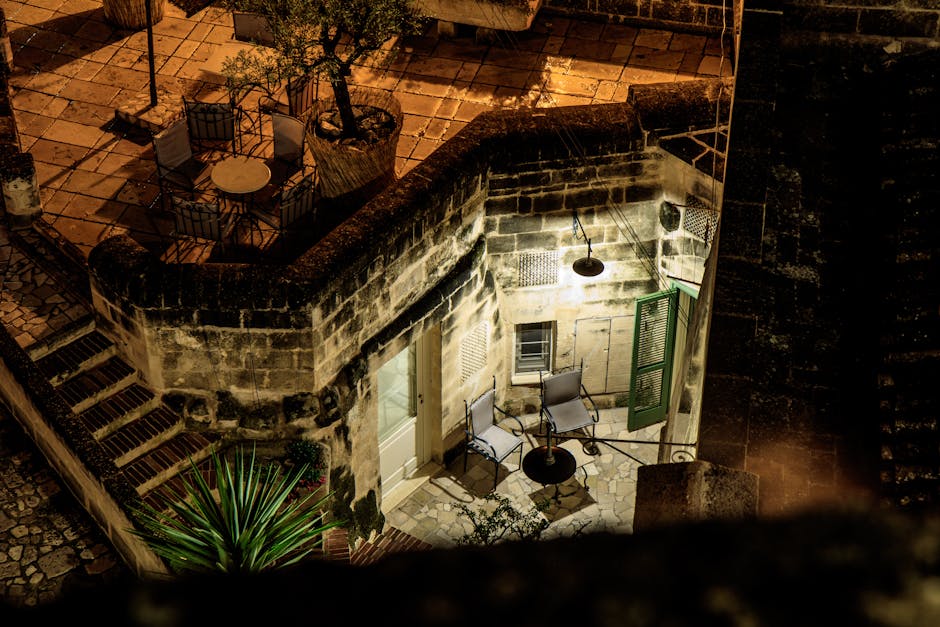
Description: Casa Ellul is a boutique hotel housed in a restored traditional Maltese townhouse in the heart of Valletta. The property offers bright rooms and some ground-floor rooms that can be adapted for guests with reduced mobility. Hospitality is very personal: staff take time to explain accessible routes and recommend restaurants that can accommodate specific needs. Note: not all rooms are accessible, so be sure to book a room explicitly listed as “accessible.”
Small local guesthouse — what to ask
When contacting a B&B:
- Specify the type of accessibility you need (manual or electric wheelchair, help with personal care, etc.).
- Ask whether there is a ground-floor room or a lift; if not, check the number and height of steps.
- Find out about breakfast: can it be served in your room if necessary? Are the communal areas accessible?
- Confirm the policy on assistance animals; most places accept service dogs but get written confirmation.
Proximity to key sites (Upper Barrakka Gardens, historic auberges, St John’s Co-Cathedral) can justify a slightly higher rate since it cuts down on transportation needs.
4) Local tips, accessible transport and pre-trip planning
Staying in Valletta with peace of mind means planning not just accommodation but also transport and activities. Here are practical recommendations, service contacts and useful hours to make your stay run smoothly.
Accessible transport and transfers
– Malta Public Transport: Malta’s bus network serves Valletta, but not all buses are fully accessible. A single fare is around €2 for a standard trip or €1.50 with a Tallinja card if eligible. Timetables vary by route; ask the driver if the bus is adapted. The main bus hubs in Valletta (Valletta Bus Terminus, Merchants Street area) are well located.
– Accessible taxi and private transfer services: Local companies offer vehicles with ramp access. Example: Accessible Malta Transfers, contact via [email protected] (verify email and availability), approximate fares €35–60 for an airport transfer to Valletta in an adapted vehicle depending on size and passenger count. Book 24–48 hours in advance.
– Boats and ferries: The Sliema–Valletta ferry (Valletta Ferry Services) runs daily; some boats are accessible via a ramp from the quay, but accessibility depends on tides and which pier is used. Fare about €1.50–2.00 per trip, operating roughly 06:00–23:00 depending on the season.

Attractions and access
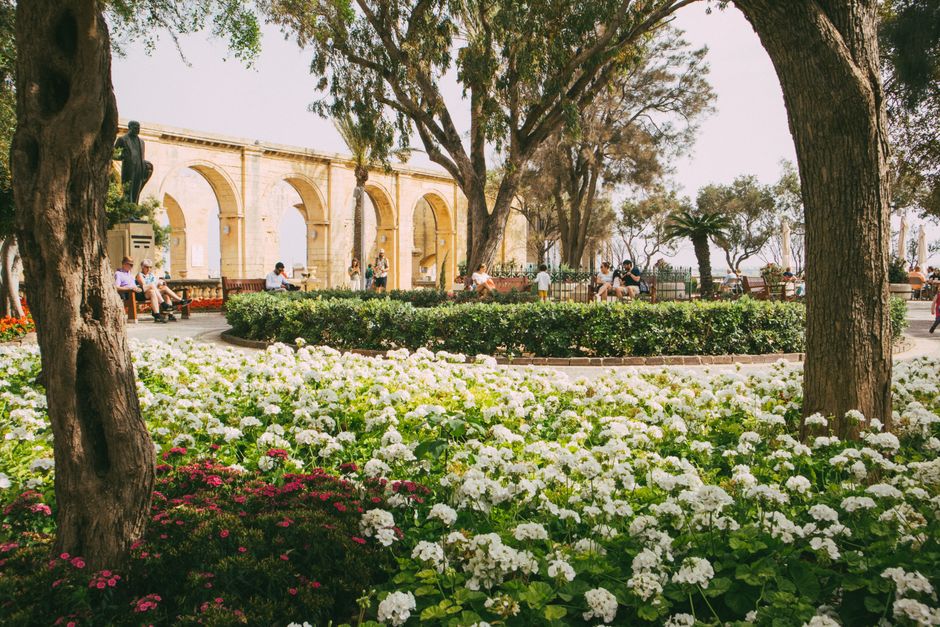
– Upper Barrakka Gardens (St. Paul’s Street, Valletta VLT 1216): gardens with primary ramped access; a public lift (Kastra Lift) can help descend to the harbour at certain times. Generally open 07:00–22:00.
– St. John’s Co-Cathedral (St Johns St, Valletta VLT 1165): main entrance is accessible via a side ramp; opening hours roughly 09:30–16:30 (seasonal variations). Admission around €10–12 for adults; discounts for seniors and students with ID.
– Fort St. Elmo & National War Museum (Fort St Elmo, Valletta VLT 1399): partly accessible for visitors with reduced mobility; some historic areas remain off-limits due to stairs. Hours 10:00–17:00; tickets €10–15 depending on temporary exhibitions.
Practical tips for getting around town
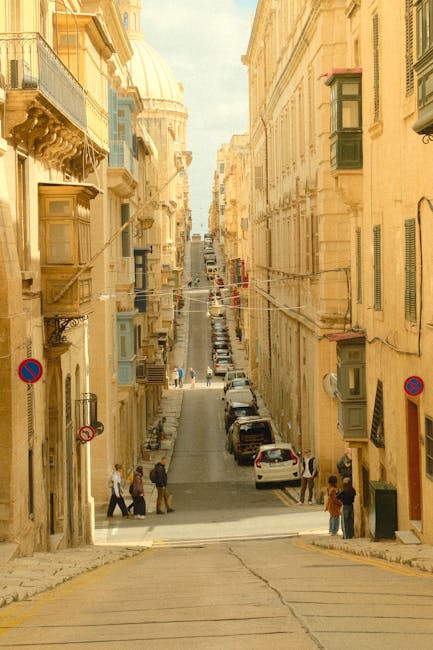
- Flatter routes: Stick to main streets like Republic Street and Merchants Street and areas near the city walls to minimize slopes and cobbles. Internal alleys can be very narrow and steep.
- Quieter times: Visit monuments early in the morning (09:00–11:00) to avoid crowds and move more easily in a wheelchair.
- Parking: If arriving in an adapted vehicle, check for disabled parking spaces around Great Siege Square and the Waterfront. Booking a hotel with adapted parking makes your stay much easier.
- Emergency and medical services: Mater Dei Hospital (Msida MSD 2090) is the main public hospital nearby (12–20 minutes by taxi from Valletta). For emergencies call 112. If you need a doctor at your accommodation, several private clinics offer home visits — ask your hotel reception for a reliable recommendation.
Conclusion: Book with confidence and enjoy Valletta
Valletta is a city full of history and charm, but its topography and heritage buildings demand specific preparation for travellers with accessibility needs. This guide aims to give you concrete reference points: property names, exact addresses, indicative prices, opening hours and local tips so your stay runs smoothly. Whether you choose a grand hotel like The Phoenicia Malta, a boutique option like Casa Ellul, or a self-catered apartment for extra independence, clear, early communication with the owner or reception is the key to a successful trip.
Before finalising your booking, take the time to:
- Contact the property in writing to confirm all essential adaptations.
- Request current photos of the access routes, room and bathroom.
- Verify availability of adapted transfers and proximity to essential services (pharmacy, hospital, supermarket).
- Plan your visits favouring flat routes and quieter hours to fully enjoy sites like Upper Barrakka Gardens or St. John’s Co-Cathedral.
Finally, don’t hesitate to use local resources: Valletta tourist information offices, hotel concierges and Maltese associations for people with reduced mobility can provide up-to-date advice and sometimes bespoke services. With advance planning, direct checks and a little flexibility, Valletta becomes an accessible and welcoming destination where you can enjoy the architecture, harbour views and cultural riches without compromise.