





Introduction — First time in Valletta: hotel or apartment?
Valletta, Malta’s compact capital, is packed with history, baroque architecture and stunning sea views. Founded in the 16th century by the Order of St. John, Valletta is a UNESCO World Heritage site and a lively mix of museums, forts, cafés and stone alleys perfect for exploring on foot. For a first visit, the recurring question is: should you book a hotel or go for an apartment? This guide gives you a practical, nuanced answer by comparing the pros and cons of each option across concrete criteria: location, comfort, budget, accessibility, local atmosphere, services, safety and local rules.
Before diving into logistics, picture your daily routine in Valletta. Do you want to wake up overlooking the Grand Harbour, sip coffee on a terrace on Republic Street, dine at a fine restaurant near the Triton Fountain, or do you prefer full neighbourhood immersion—shopping at the local market and cooking Maltese ingredients? Your answer will strongly shape whether a hotel or an apartment suits you best.
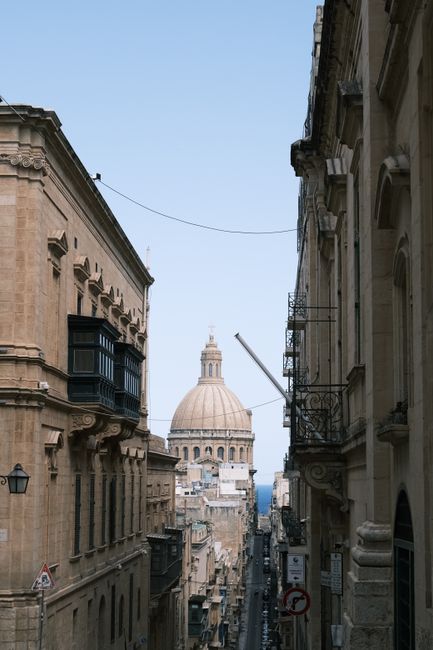
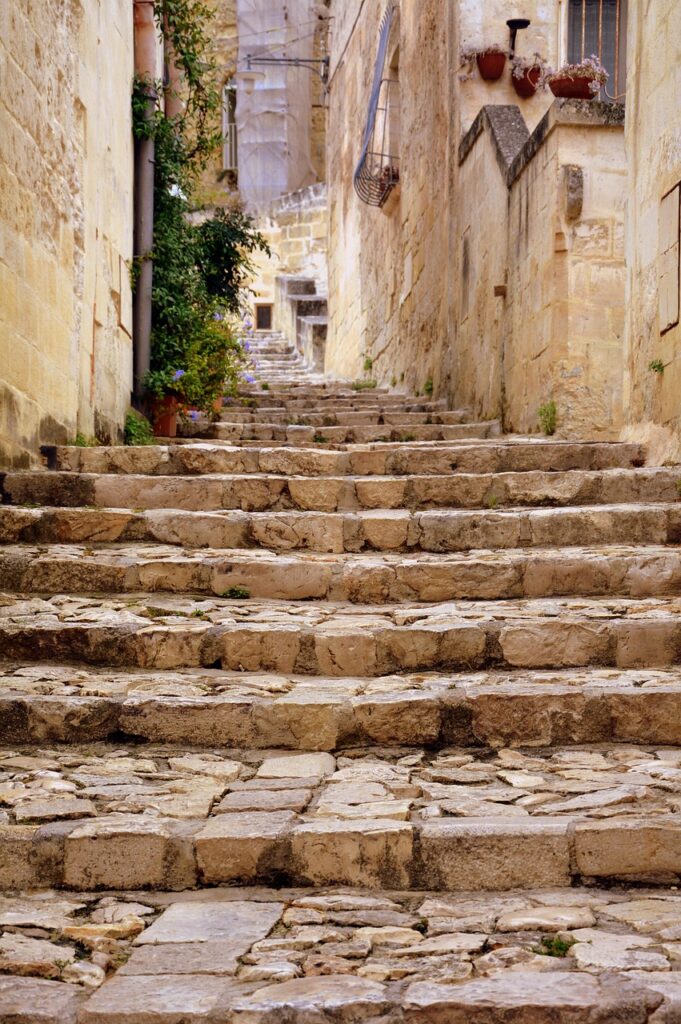
Valletta is small (around 0.55 km²), so most attractions are within walking distance: St. John’s Co-Cathedral (St. John’s Co-Cathedral, Republic Street, Valletta), Upper Barrakka Gardens (St. Peter & Paul Bastion, Valletta), the National War Museum (Fort St. Elmo, Valletta) and the Manoel Theatre (Manoel Theatre, Old Theatre Street, Valletta). However, the city’s topography includes slopes and steps, which can make some accommodations less practical if you have heavy luggage or mobility issues. Public transport and ferries to Sliema and the Three Cities are frequent, but having a convenient place to store your things and rest after a busy day is essential.
This detailed guide (local tips, exact addresses, opening hours and price ranges in euros) will help you weigh the pros and cons, highlight concrete examples of hotels and apartments, offer booking tips, typical rates and rules to know. By the end you’ll have solid information to choose the option that fits your travel style—whether you’re a cultural tourist, a business traveller, a couple on a romantic break or a family seeking flexibility.
1) Pros and cons of staying in a hotel in Valletta
Hotels in Valletta range from luxury boutique properties to more affordable three-star options. Booking a hotel delivers a standardized experience: 24-hour reception, daily housekeeping, breakfast service, concierge and often facilities like a bar, restaurant or spa. For a first trip, these services bring comfort and peace of mind. For example, The Phoenicia Malta (The Phoenicia Malta, The Mall, Floriana FRN 1470) is a five-star hotel adjacent to Valletta’s gates, famed for its garden and outdoor pool. Indicative rate: €220–€450 per night (seasonal). Typical check-in: 15:00, check-out: 12:00. Buffet breakfast: around €20–€30 per person.
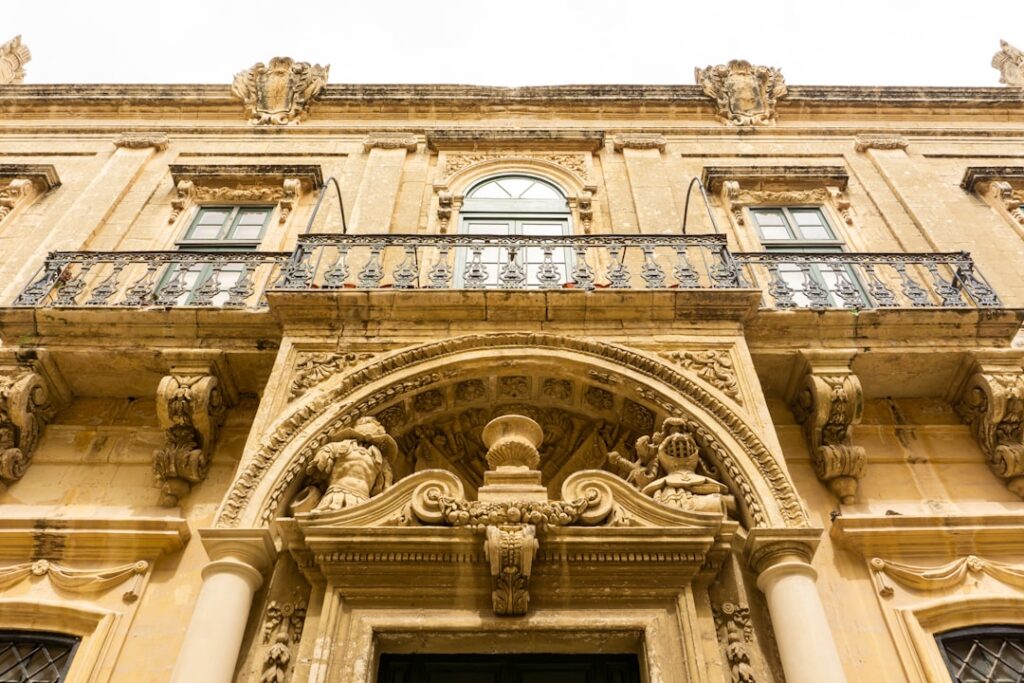
Another central example: Grand Harbour Hotel (Grand Harbour Hotel, Marina Street, Valletta), located near the waterfront and ideal for harbour views. Rates: €110–€220/night. Hotels on Republic Street or near the Triton Fountain (Triton Fountain, Republic Street, Valletta) put you right in the heart of the action, within immediate reach of St. John’s Co-Cathedral (opens 09:00–16:30, entry ~€15 adult).
Highlights of staying in a hotel:
- Security and service: 24-hour reception, security cameras, multilingual staff.
- Amenities: breakfast included or available, housekeeping, luggage storage, sometimes parking or airport shuttle (Malta International Airport, Luqa LQA 4000).
- Prime locations: hotels are often clustered near attractions like Upper Barrakka Gardens (open 07:00–20:00) and Republic Street.
Drawbacks:
- Price: for a well-located room expect €120–€350 per night in high season (July–August). Rates may include local tourism fees: the tourist tax is usually €1–€2 per person per night (varies by period).
- Less local atmosphere: hotels can feel more international and less like day-to-day Maltese life compared with an apartment.
- Space: well-located rooms can be compact; few options for cooking or long-term stays if you need a kitchen or laundry facilities.
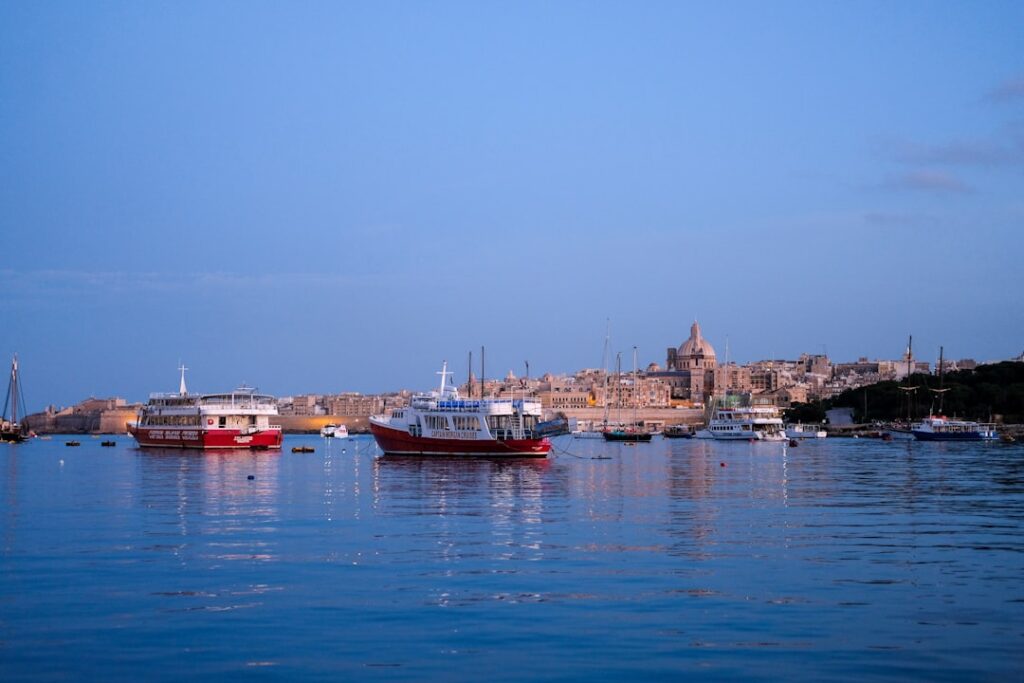
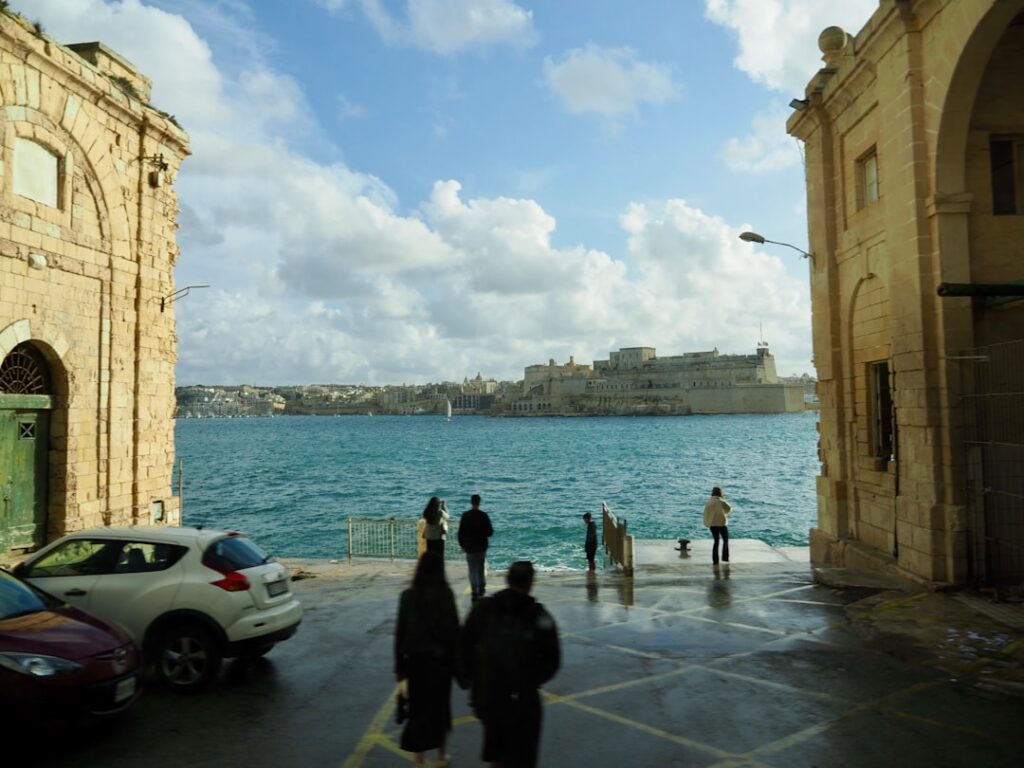
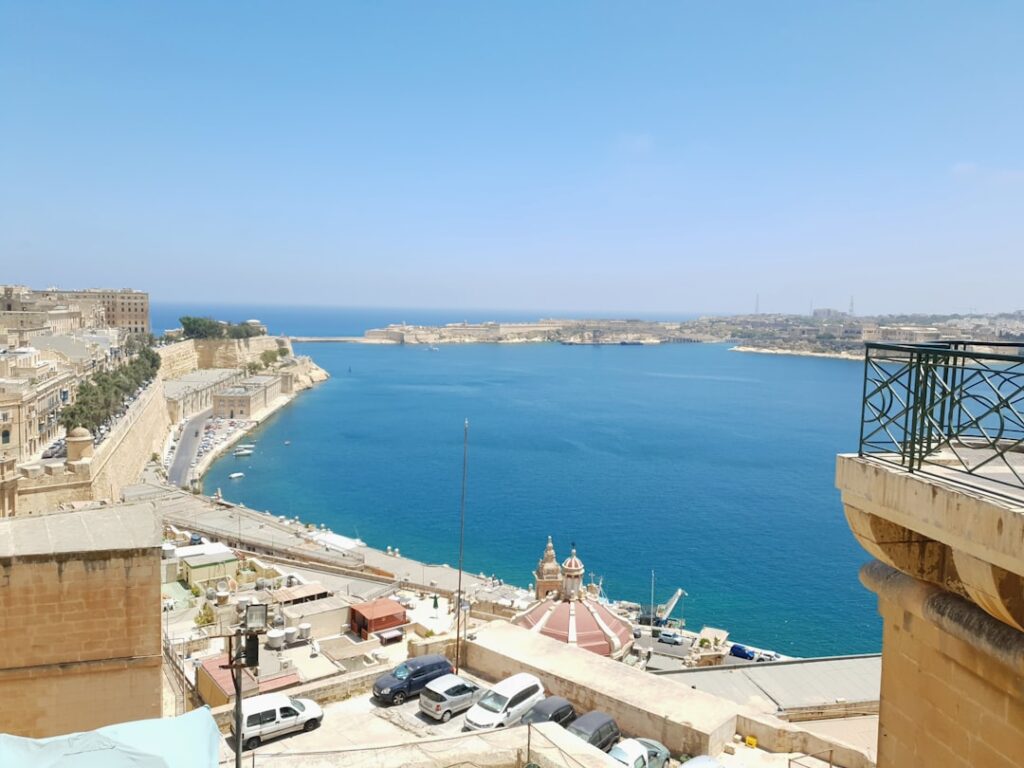
Practical tips: if you pick a hotel, favour ones that include breakfast if you plan early starts to visit the co-cathedral or catch a morning ferry to Sliema from the Valletta Waterfront (Pinto Wharf, Valletta Waterfront, Floriana). Check their late arrival policy if your flight lands in the evening (whether arriving at Malta International Airport or by ferry). And if your budget allows, request a room with a Grand Harbour view—the harbour light at sunrise is especially memorable.
2) Pros and cons of renting an apartment in Valletta
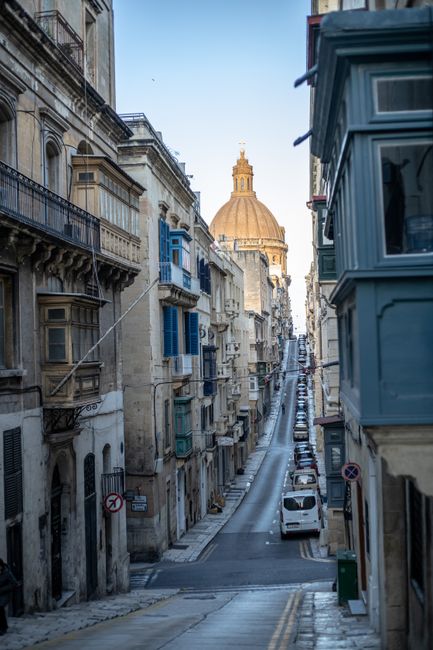
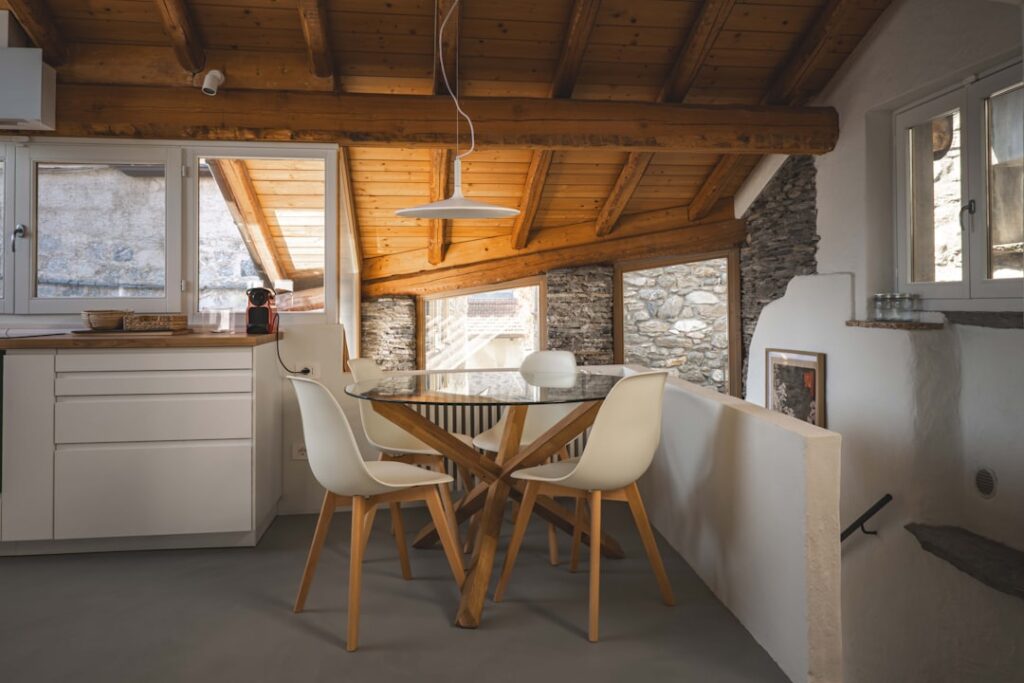
Renting an apartment (studio, one-bedroom or a typical stone house) is an attractive alternative, especially if you plan to stay several days or want a deeper local experience. Apartments are often in restored buildings, with high ceilings, wooden balconies (gallerija) and limestone walls. Typical offers: a central studio on Old Theatre Street might be €70–€120/night off-season, while a two-bedroom apartment with a balcony on Merchant Street or Strait Street can reach €150–€250/night in summer.
Strengths:
- Flexibility: equipped kitchen (oven, fridge, hob), washing machine, workspace—ideal for families or longer stays. Apartments on Republic Street let you make breakfast at home after shopping at the central market.
- Often better value for long stays: many listings offer weekly discounts (e.g. 10–20% for a week, sometimes more off-season).
- Local atmosphere: live in a residential neighbourhood, interact with neighbours and soak up Maltese rhythms.
Drawbacks:
- Variability: quality varies widely between listings; always check reviews, recent photos and the conditions (AC/heating, sound insulation).
- Limited services: no reception, no daily cleaning unless stated; you’ll handle late arrivals, key handovers and often stairs without an elevator yourself.
- Regulations: make sure the owner rents legally (tourist licence); Maltese authorities require registration and compliance with safety standards. Fines for illegal rentals can be hefty.
Local tips: choose an apartment with air-conditioning (vital in summer), check proximity to a small supermarket (Tigne Point Supermarket, Tower Road, Sliema if you cross by ferry) and ask about access (number and height of steps). If you plan to cook, look for nearby shops like Mrs. Auer’s Deli (various addresses) or the Sliema farmers’ market at weekends for fresh produce. For safety, note the full address and emergency contact, and ask about luggage storage options if your flight or ferry arrives outside regular check-in hours.
3) Location and logistics: where to stay for each plan?
The hotel vs apartment decision often comes down to location. Valletta is dense; the neighbourhood you stay in will shape your journeys, meals and the vibe. Here’s a practical breakdown by activity:
- Cultural visits and museums: pick accommodation near Republic Street (Republic Street, Valletta) or Pjazza San Ġorġ (main square) to be 5–10 minutes on foot from St. John’s Co-Cathedral and the National Museum of Archaeology (Auberge de Provence, Republic Street). Typical museum hours: 09:00–17:00 (closed some public holidays), ticket ~€10–€15.
- Views and tranquillity: opt for a hotel like The Phoenicia Malta (The Mall, Floriana FRN 1470) or an apartment facing the Grand Harbour (Grand Harbour, Valletta) to enjoy sunrise or sunset over the port.
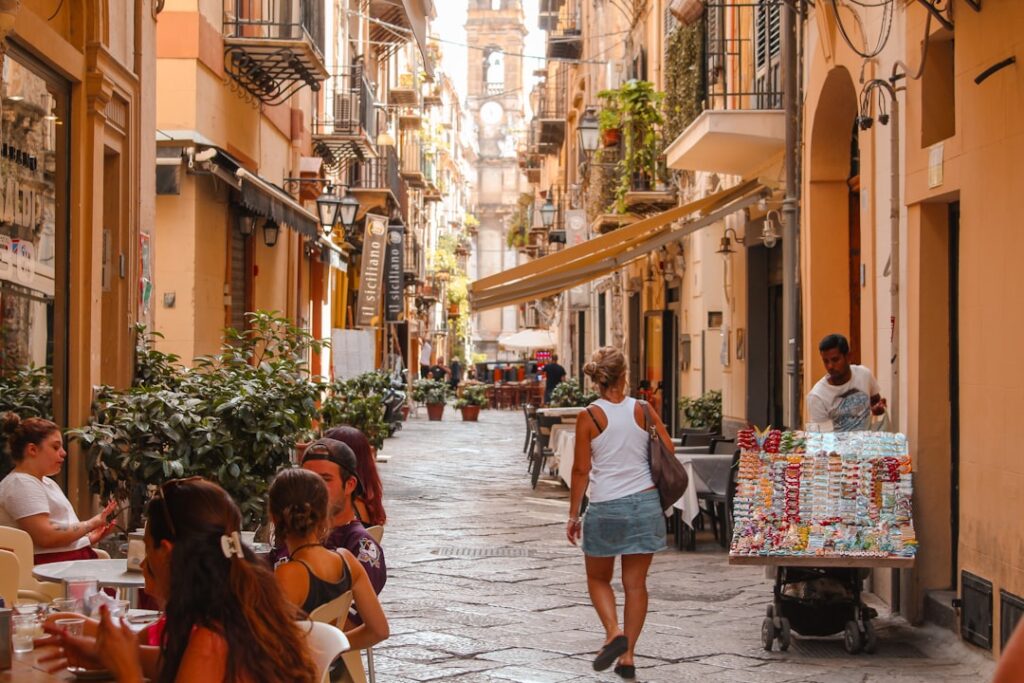
- Nightlife and restaurants: Strait Street (Strait Street, Valletta), Merchant Street and Republic Street are packed with bars and restaurants. Average dinner in a local restaurant: €18–€35 per person. Recommended restaurant: Rampila (Rampila, Valletta) set within the fortifications, entrance via St. James Counterguard; three-course menu ~€30–€45 per person.
- Access to Sliema and ferries: if you’ll be shuttling to Sliema or taking ferries to the islands (Comino, Gozo), consider lodging near the Valletta Ferry Terminal (Pinto Wharf, Valletta Waterfront); the Valletta–Sliema crossing takes about 10–15 minutes and costs roughly €1.50–€2.00 depending on the operator.
- Business travel: look for a hotel with reliable Wi‑Fi, meeting rooms or a business centre; many 4–5 star hotels offer these facilities from about €140/night.
Other logistical aspects to consider:
- Arrival and departure: the main bus station (Valletta Bus Terminus, Republic Street) is within walking distance of most central hotels; taxis and private transfers from Malta International Airport (Luqa) take about 20–30 minutes depending on traffic and typically cost €20–€30. Shared airport shuttles are cheaper but can take longer.
- Parking: if you rent a car, note that parking in Valletta is limited and often paid; hotels may offer external parking with shuttle service but expect an extra charge (daily rates vary, often €10–€25 per day).
- Accessibility: if you have mobility concerns, avoid apartments on upper floors without lifts and check hotel accessibility. Explicitly request an accessible room when booking.
4) Budget, trip length and practical recommendations
Budget is a decisive factor. Here are concrete euro benchmarks to guide your choice by duration and travel style:
- Short break (2–3 nights): for comfort and convenience, favour a central hotel. Rates: standard double €100–€250/night depending on season. Example: Osborne Hotel (Osborne Hotel, 114 Strait Street, Valletta) offers rates around €90–€140/night off-season; check last-minute deals but expect high-season surges.
- Medium stay (4–7 nights): an apartment often becomes more economical and comfortable (space, kitchen). Typical rates: studio €70–€120/night; 1–2 bedroom apartment €110–€220/night. Ask for a weekly discount. Example listing: “Merchant Street Apartment, 33 Merchant Street, Valletta” advertised €140/night with possible weekly reduction—request an invoice and licence confirmation.
- Long stays (>7 nights): an apartment saves on dining out. Look for options with a washing machine and full kitchen; monthly costs can range €1,500–€3,500 depending on standard and location.
Money-saving and booking tips:
- Compare before booking: use at least two platforms (the hotel’s official site plus OTAs like Booking.com or Airbnb) and check cancellation policies. Do the displayed prices include the local tax? Is breakfast included?
- Read recent reviews carefully: they reveal noise levels, air-conditioning performance, internet reliability and real cleanliness. Multiple negative comments about cleanliness or service are a red flag.
- Ask for recent photos: for apartments, request dated recent pictures—especially if the listing promises a balcony, gallerija or harbour view.
- Verify registration: ensure the owner provides a tourist licence or registration—this is required for legal rentals in Malta.
- Arrival times: if you arrive early or late, confirm check-in flexibility. Some apartments charge extra for check-ins after 20:00.
Conclusion — Hotel or apartment: which to choose for your first stay in Valletta?
For a first trip to Valletta, the choice between hotel and apartment mainly depends on your priorities: immediate comfort and services (hotel) or flexibility and local immersion (apartment). If it’s your first visit, you have a short stay of 2–4 nights and you want to see the main sights without hassle, a central hotel—like The Phoenicia Malta (The Mall, Floriana FRN 1470) for luxury, or a well-rated three/four-star on Republic Street for a solid compromise—will give you peace of mind, multilingual assistance and a prime location near St. John’s Co-Cathedral (Republic Street, Valletta) and the National Museum of Archaeology (Auberge de Provence, Republic Street). Reception services, daily housekeeping and often included breakfast will help you start each day smoothly.
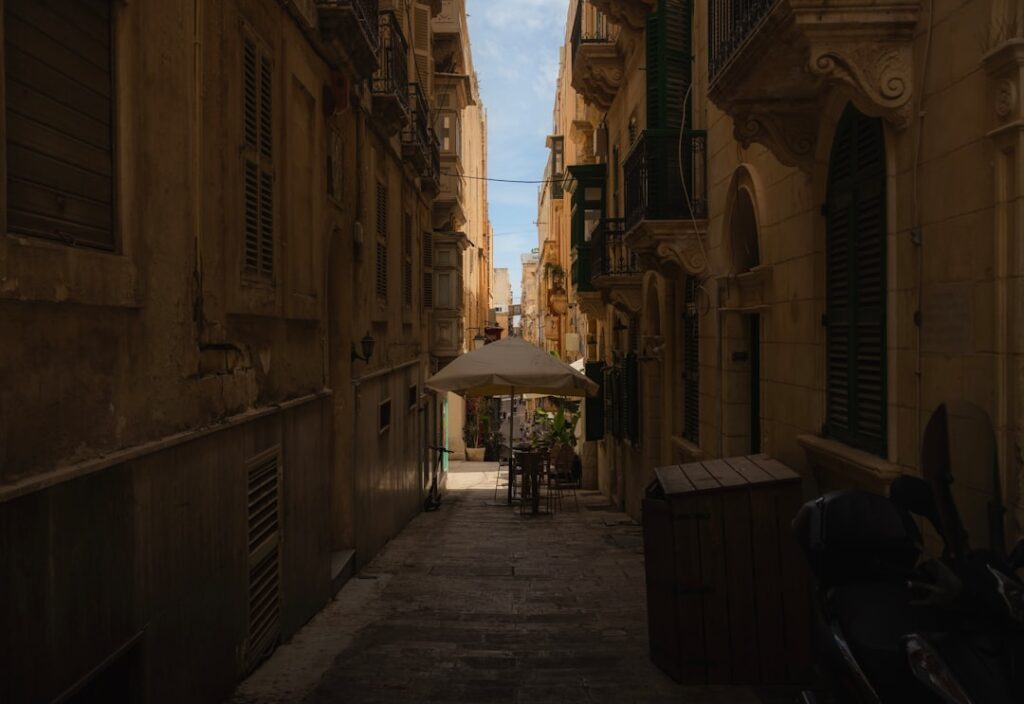
On the other hand, if you plan to stay a week or more, travel with family, or want to live like a local—shopping, cooking and enjoying more living space—renting an apartment is usually more economical and more authentic. In that case, make sure the listing is legal (tourist licence), ask for recent interior photos, check access (stairs, floor), ensure there’s air-conditioning and confirm proximity to a supermarket. Apartments on Merchant Street, Strait Street or nearby lanes often offer a charming neighbourhood feel with traditional wooden balconies (gallerija) that add character.
Some final practical recommendations:
- Book early in high season: July and August see high demand and elevated prices—reserve at least 2–3 months ahead to secure a good location and better rates.
- Compare cancellation policies: a flexible booking (free cancellation up to 7–14 days before) can save you from unnecessary fees if plans change.
- Plan excursions: if you want to visit Gozo or Comino, check ferry timetables from Cirkewwa or the Valletta Waterfront and arrange travel from your accommodation to save time.
- Check local opening hours: museums often open 09:00–17:00, Upper Barrakka Gardens 07:00–20:00; many restaurants start serving lunch around 12:00 and dinner from roughly 19:00–22:30.
In short: for a first visit, a central hotel remains the most practical and reassuring option. For a second trip or a longer stay, an apartment will give you a more immersive and often more affordable experience. Whatever you choose, Valletta’s compact size makes it perfect to explore on foot from almost any central accommodation—enjoy the stone lanes, sunny terraces and Grand Harbour panoramas. Safe travels and take your time discovering Valletta: its museums, cafés and Mediterranean sunsets are waiting to be savoured.