




Introduction: Accessible museums and monuments in Valletta — an inclusive guided tour
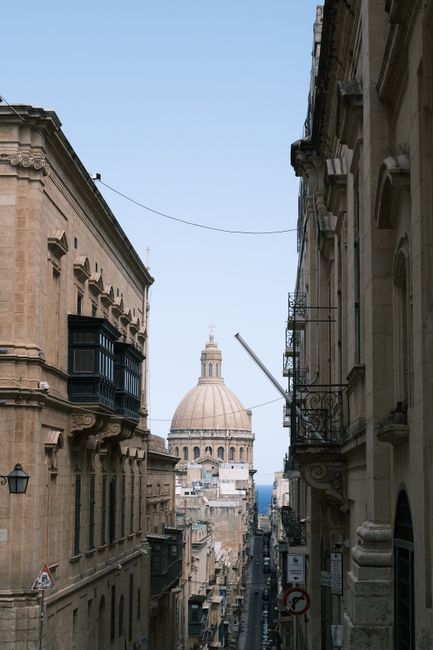
Valletta, Malta’s historic capital, is a living museum hewn from warm limestone, packed with fortifications, palaces, churches and museums. For modern visitors—whether traveling with family, using a wheelchair, hard of hearing, visually impaired, or just wanting a comfortable visit—accessibility matters. This practical, professional guide offers a focused tour of Valletta’s main museums and monuments with precise information — full addresses, prices in euros, opening hours, vivid descriptions and local tips — so every visitor can fully enjoy the city’s cultural riches.
This guide isn’t just a list; it’s meant to help you plan realistic routes. We describe the types of access (ramps, lifts, step-free paths), specific accessibility services (multilingual audio guides, induction loops for the hearing-impaired, tactile tours for visually impaired visitors) and practical tips (best times to avoid crowds, buying tickets in advance, tourist information contacts). Despite its steep streets, Valletta has invested significantly to improve access, particularly in national museums and public monuments.
Each section below presents the site, its exact address, current prices (in euros), typical opening hours and a detailed description to prepare your visit: best angles for photos, where to sit for the view, and which artworks or architectural features not to miss. We also include local tips — where to find an accessible coffee nearby, how to combine two visits in one day to minimize travel, and which bus stop or parking is most convenient.
Keep this guide as a practical itinerary for a day, a weekend or longer. It covers major sites like St John’s Co-Cathedral, the Grandmaster’s Palace, the National Museum of Archaeology, Fort St Elmo, the Upper Barrakka Gardens and other iconic locations. At the end you’ll find a conclusion summarizing route recommendations, discounted ticket options and useful contacts. Whether you’re pressed for time or exploring at a leisurely pace, you’ll find keys here for an inclusive and respectful exploration of Valletta.
1) St John’s Co-Cathedral — Baroque masterpiece and accessibility
Full name: St John’s Co-Cathedral (Co-Cathedral of St John)
Address: Triq San Gwann / St John Street, Valletta VLT 1216, Malta
Price: General adult admission €10.00; reduced (students/seniors) €8.00; children under 16 free when accompanied. Audio guide: included with ticket. Discounts often available online via the official site.
Opening hours: Monday–Saturday 09:30–16:30; Sunday visits limited in the morning (mass). Closed on certain religious holidays — check ahead.
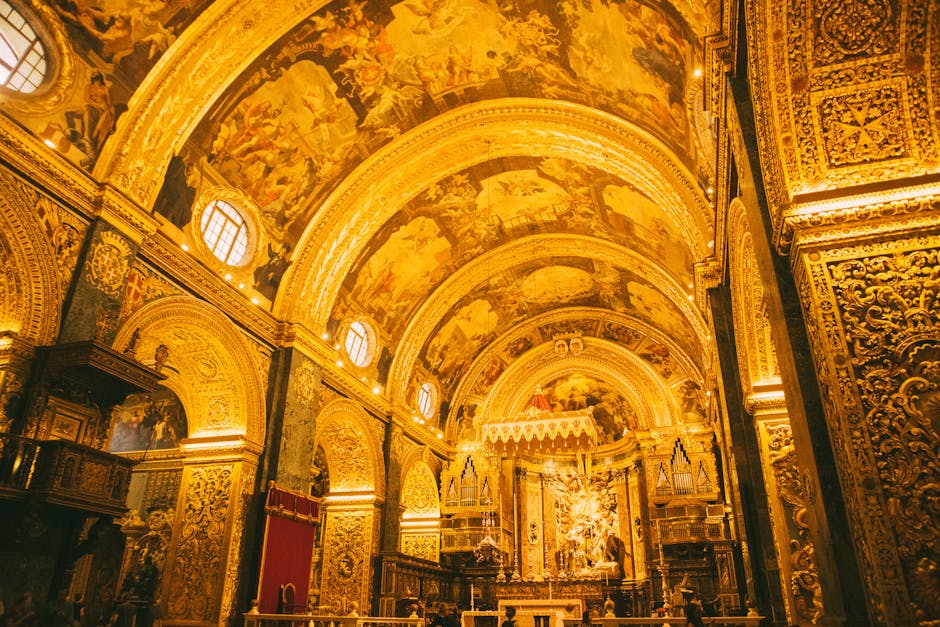
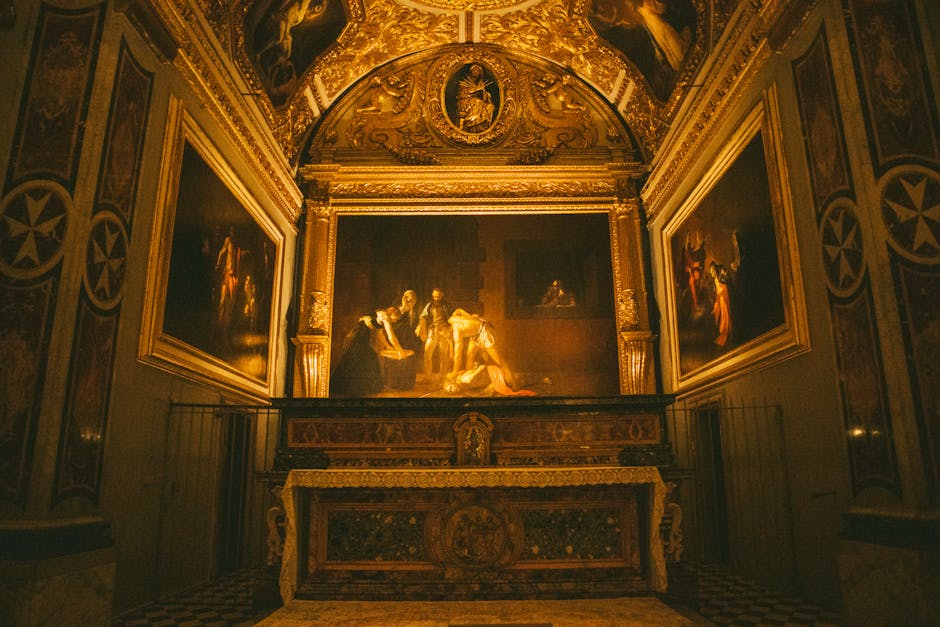
St John’s Co-Cathedral is renowned for its carved marble tombstones, its Caravaggio paintings (notably « The Beheading of Saint John the Baptist ») and its spectacular gold-filled Baroque interior. Entry is usually via a gradual ramp that allows wheelchair access to the ticket desk. The main nave is accessible, though some side chapels may have steps; alternative routes are signposted. Polished stone floors can be slippery after rain — take care if you have reduced mobility.
Accessibility services: audio guides in multiple languages; occasional tactile tours for visually impaired visitors available by prior arrangement; induction loops and large-print signage at the welcome desk. Wheelchair users are encouraged to notify staff on arrival for personalized assistance.
Local tip: visit early in the morning to avoid crowds and enjoy spectacular light on the gilded interiors. After your visit, cross Republic Street for an accessible cafe to rest before heading on to the National Museum of Archaeology.
2) National Museum of Archaeology and Auberge de Provence — Maltese antiquities and accessible routes
Full name: National Museum of Archaeology (Museo Nazzjonali tal-Arkeoloġija)
Address: Auberge de Provence, Republic Street, Valletta VLT 1113, Malta
Price: General adult admission €10.00; reduced €7.00; children and students may have special offers. Combination tickets are often available with other Valletta national museums.
Opening hours: Monday–Sunday 09:00–17:00 (last entry 16:30). Closed 24–25 December and 1 January.
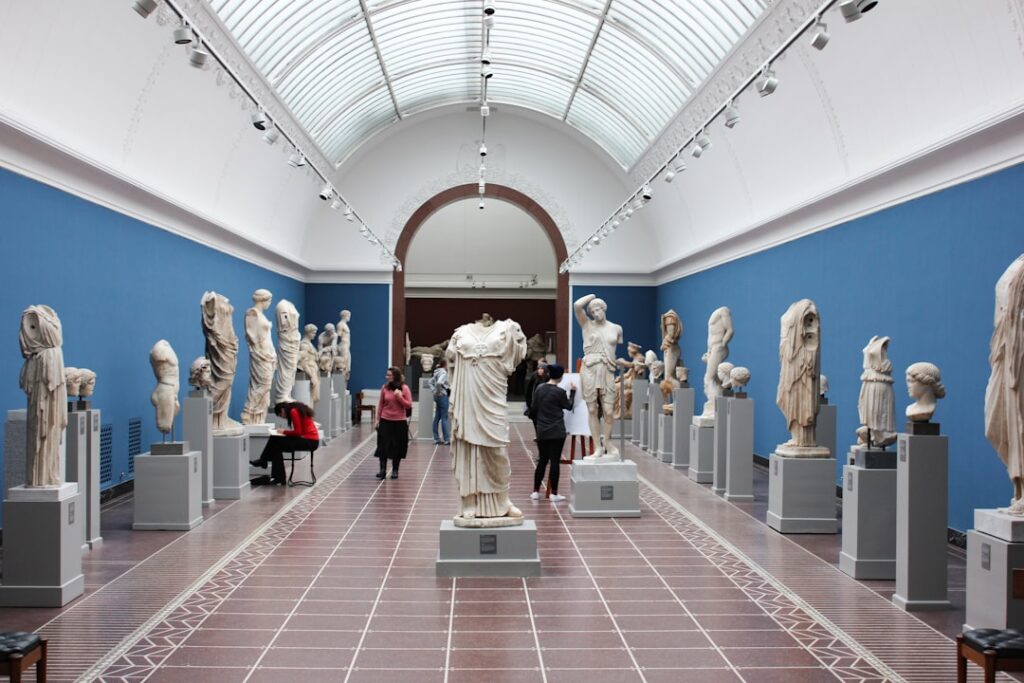
Housed in the Auberge de Provence, this museum displays a comprehensive collection of prehistoric and Phoenician artifacts, including remarkable Neolithic figurines from Ġgantija and Tarxien. The building itself is a knightly architectural gem, with an inner courtyard and rooms on several levels. The main entrance has a ramp and a lift connecting some floors; however, older galleries sometimes have thresholds and narrow doors — staff can suggest alternate routes for wheelchairs.
Accessibility: adaptive lift, accessible restrooms, audio descriptions and large-print materials available on request. Exhibits are well lit with bilingual (Maltese/English) panels; tablets can be provided to enlarge text.
Practical tip: pair a morning visit to the National Museum of Archaeology with lunch at one of Merchant Street’s accessible cafes. Buy tickets online to skip queues; if you hold a Heritage Malta card, check for discounts and priority access.
3) Fort St Elmo, Lascaris War Rooms and the accessible military heritage
Full name: Fort St Elmo & National War Museum
Address: St Elmo Place, Valletta VLT 1000, Malta
Price: Fort St Elmo / National War Museum: adult €8.00–€10.00 depending on temporary exhibitions; reduced rates available. Lascaris War Rooms often have a separate fee: adult €8.00; combined Fort+Lascaris tickets commonly range €12.00–€15.00.
Opening hours: Fort St Elmo: 09:00–17:00; Lascaris War Rooms: 09:00–17:00; hours vary by season, check for evening closures due to special events.
Perched at the tip of Valletta’s peninsula, Fort St Elmo tells the story of sieges and conflicts that shaped the island. The exterior route includes ramps along some bastions and lifts to reach higher museum levels. Inside, the National War Museum displays uniforms, cannons and documents, while the Lascaris War Rooms — an underground complex — offer an immersive World War II experience focused on naval coordination in the Mediterranean.
Specific accessibility notes: Fort St Elmo provides accessible routes and lifts where the terrain allows; however, some historic areas remain inaccessible by wheelchair. The Lascaris War Rooms have narrow corridors and stairs — they recommend contacting the welcome desk before visiting to assess access. Specialized guided tours for visually impaired visitors can sometimes be arranged on request.
Local tip: the view from the ramparts over the Grand Harbour is stunning at sunset — but access to certain rampart areas may be limited then; plan an afternoon visit instead. Bring a light jacket for the cool underground spaces of the Lascaris War Rooms. If mobility is a concern, calling ahead often secures staff assistance on arrival.
4) Grandmaster’s Palace, Upper Barrakka Gardens and other accessible monuments
Full name: The Grandmaster’s Palace & Palace State Rooms
Address: Palace Square / Republic Street, Valletta VLT 1110, Malta
Price: Adults €10.00 for the State Rooms; reduced €8.00; sometimes available in combination with other sites. Administrative areas of the palace (which still house institutions) may include non-public, inaccessible zones.
Opening hours: Palace State Rooms: Monday–Saturday 09:00–16:30; Sunday closed or limited access. Upper Barrakka Gardens: open daily, typically 06:00–22:00 (hours may vary).
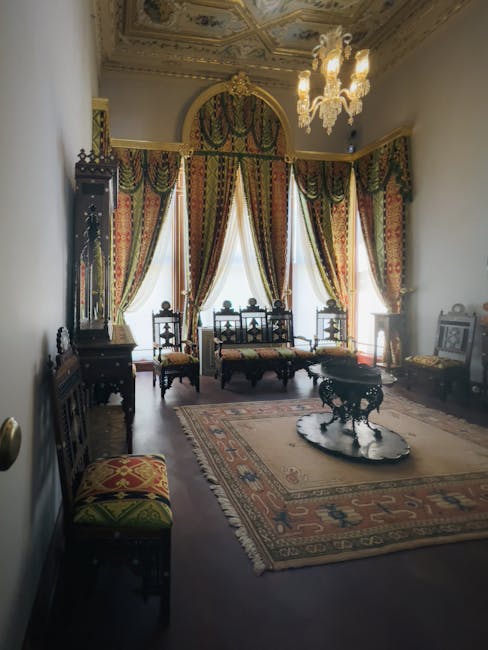
The Grandmaster’s Palace on Republic Street reveals richly decorated state rooms, an armory and artworks. Entry to the palace involves a few steps; a mobile ramp can be installed on request, and some areas have lifts. Audio guides are available and staff are generally helpful in facilitating access for visitors with reduced mobility.
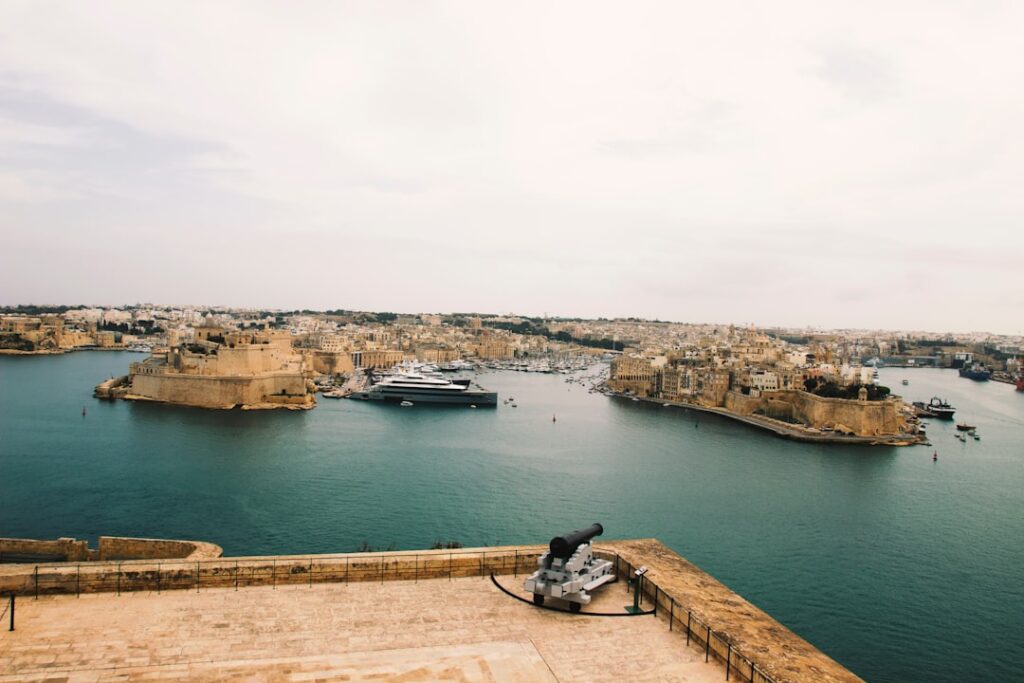
Just steps away, the Upper Barrakka Gardens offer one of the best panoramic views of Grand Harbour and the Three Cities. The gardens are largely accessible, with wide paved paths and frequent benches — perfect for a rest after a museum visit. Every day at noon the Saluting Battery fires a ceremonial cannon; access to the main viewing balcony is via lifts and ramps, and the dramatic sound is impressive for all visitors.
Other monuments: Manoel Theatre (Manoel Theatre, Old Theatre, 67A, Merchants Street/Old Theatre Street) runs guided tours and performances with reserved access for mobility-impaired patrons — tickets typically range €8.00–€15.00 depending on the show. The Siege Bell War Memorial (east of Lascaris Bastion, Valletta) is accessible and offers a poignant panorama of the harbour.
Local tip: time your visit to the Upper Barrakka Gardens for noon if you want to hear the Saluting Battery; otherwise choose early morning for soft light over the harbour. For the Grandmaster’s Palace, book online and flag any assistance needs so staff can prepare a suitable route and install a ramp if necessary.
Conclusion: planning an inclusive visit to Valletta — practical recommendations
Valletta is a city where history can be touched and admired — and increasingly, a place everyone can visit. Major institutions (St John’s Co-Cathedral, National Museum of Archaeology, Fort St Elmo, Grandmaster’s Palace, Lascaris War Rooms and the Upper Barrakka Gardens) now offer concrete accessibility solutions: ramps, lifts, audio guides, induction loops and trained staff. Still, Valletta’s urban fabric, with its cobbles and steps, requires some planning and flexibility.
Summary tips:
- Book ahead: buy tickets online when possible and indicate your accessibility needs to ensure appropriate arrangements.
- Plan transport: use buses that serve Republic Street and stops near the museums, or book accessible taxis. Ask the tourist information desk for a map of accessible routes.
- Combine visits: organize by neighborhood: St John’s Co-Cathedral + National Museum in the morning; Grandmaster’s Palace and Upper Barrakka in the afternoon; Fort St Elmo and Lascaris War Rooms for a separate half-day.
- Take your time: rooms full of detail (marbled floors, sculptures) are best savored slowly — schedule breaks and use garden benches to rest.
- Contact ahead: for specific needs (tactile tours, sign language guides, assistance), contact museums 48–72 hours before your visit.
Practical additional information: keep a list of contacts (Heritage Malta, the local tourism department, Valletta welcome centers) for the latest opening hours and prices. Consider off-peak times (early morning or late afternoon) for a calmer, more accessible experience. Also respect artwork conservation rules (no flash photography in some places) and carry digital copies of tickets and proof of discounts.
In short, Valletta now offers a range of accessible experiences that pair careful heritage management with a commitment to inclusion. With a little preparation — communicating your needs, booking ahead and choosing the right times — you can enjoy these major museums and monuments in the best conditions. Safe travels and enjoy discovering Malta’s capital, where every stone tells a story to be shared by all.