





Introduction: Valletta — an open‑air history book
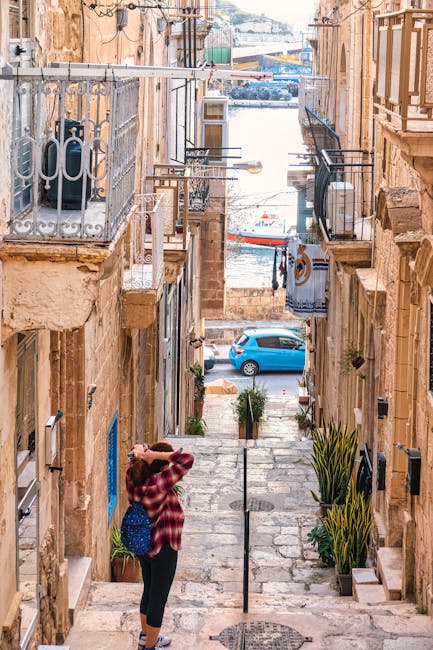
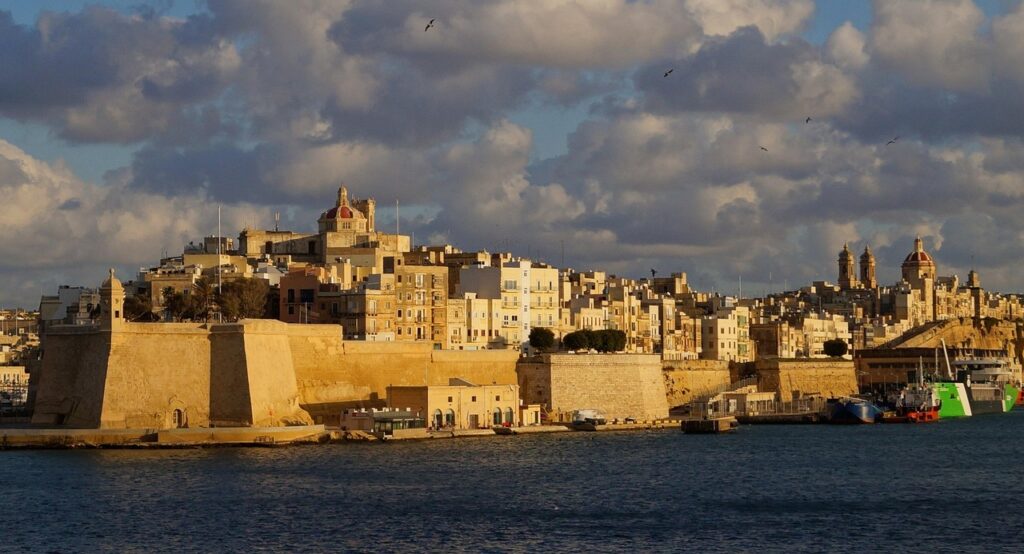
Valletta, Malta’s compact capital, packs centuries of Mediterranean history into a surprisingly small area. Founded in the 16th century by the Knights of St. John after the Great Siege of 1565, the city grew as a baroque citadel of cobbled streets, honey-coloured stone facades and massive bastions overlooking the harbour. Walking Valletta is like turning the pages of several distinct chapters: the Knights’ era, baroque architecture, British rule, the scars of World War II and the modern revival of civic life and museums.
This guide gives you both a historical lens and practical tips for exploring Valletta — from the defensive headland of Fort St. Elmo to the national collections that define Maltese identity: museums, palaces, the cathedral and archives. The approach is immersive and useful: you’ll find exact addresses, entry prices in euros, typical opening times, detailed descriptions and local tips to make the most of your visit. Whether you’re admiring the fort’s cannons and ramparts, stepping into the Grand Master’s reception rooms at the Grandmaster’s Palace, studying paintings and tombs at St. John’s Co‑Cathedral, or wandering the national archaeological galleries, each stop is set in historical context and paired with practical advice.
Valletta is both a museum city and a living capital: restaurants, cafés, craft shops and cultural events animate its streets. Most historic sites are clustered close together — ideal for a 1–3 day stay — but they reward patient exploration. This guide suggests routes by time of day (morning sun on the bastions, soft light inside churches, guided tours in the afternoon), and includes information on accessibility, combined tickets and the best times to avoid crowds. Visual cues are provided to help you plan your photos and walks.
Fort St. Elmo and the National War Museum: bastions, memory and views
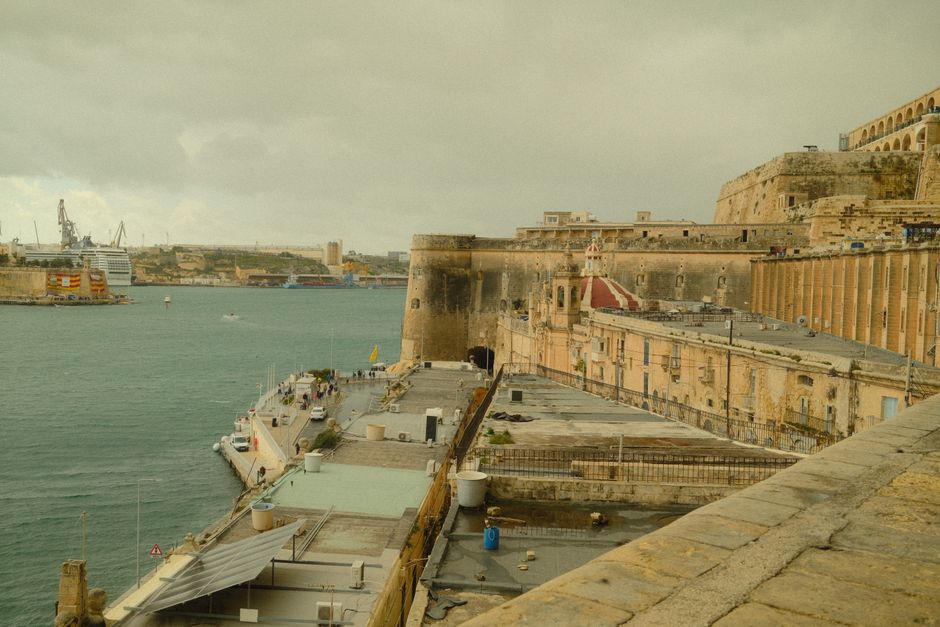
Fort St. Elmo is the most emblematic historical starting point for understanding Valletta. Perched at the north tip of the peninsula, it controls the entrances to Grand Harbour and Marsamxett Harbour. Address: Fort St. Elmo, Valletta VLT 1010, Malta. The current fort reflects major reconstructions from the period after 1557–1565 and played a central role in the Great Siege. Heavily bombed during World War II, its wartime history is preserved in the National War Museum housed within its walls.
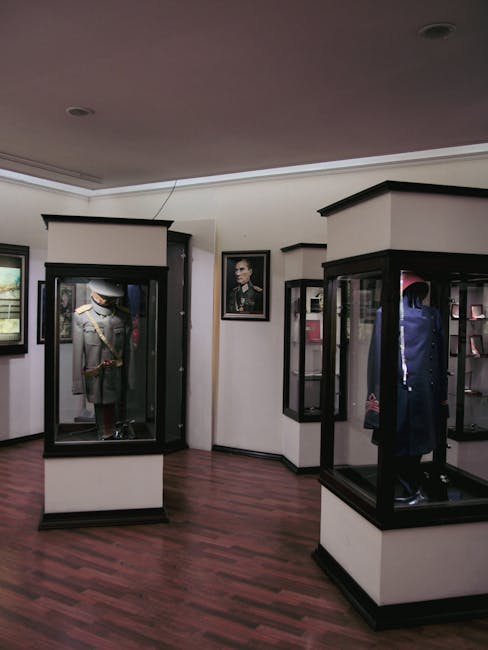
The National War Museum (inside Fort St. Elmo) lays out an effective chronological narrative: armour of the Knights of St. John, British uniforms, artillery pieces, World War II artefacts and a gallery devoted to Malta’s strategic role. Address and contact: National War Museum, Fort St. Elmo, Valletta VLT 1010, Malta. Indicative opening hours: 09:00 – 17:00 daily. Admission: around €7.00 for adults, reduced rates for students and seniors (bring ID). Combined tickets are sometimes available with other Valletta attractions via Heritage Malta.
You can explore the fort by following the ramparts. The gun platforms offer spectacular views over the harbour and toward the Saluting Battery and the Upper Barrakka Gardens. Small interpretation spaces display documents, maps and dioramas. Visiting the fort early in the morning helps you avoid summer heat and get golden light on the limestone for your photos.
Practical tips for your visit
- Recommended time: 1.5 to 2 hours for the fort and museum.
- Tickets: buy on site or via the Heritage Malta website; card payment is handy if you don’t want to bother with exact change.
- Accessibility: parts of the fort are sloped with steps; wear comfortable shoes.
- Best time: 08:30–10:30 for morning light, or 16:00–18:00 for dramatic sunsets over Grand Harbour.
- Photography: panoramic shots from the bastions — bring a wide-angle lens and a polarising filter for the sky.
St. John’s Co‑Cathedral and the Grandmaster’s Palace: sacred art and secular power
At the heart of Valletta are two monuments that represent the spiritual and administrative poles of the Knights: St. John’s Co‑Cathedral and the Grandmaster’s Palace. Cathedral address: St. John’s Co‑Cathedral, Triq San Gwann, Valletta VLT 1429, Malta. Palace address: Grandmaster’s Palace, Republic Street, Valletta VLT 1110, Malta. The two sites complement each other: one dazzles with baroque interior ornamentation, the other reveals civil architecture and state collections.
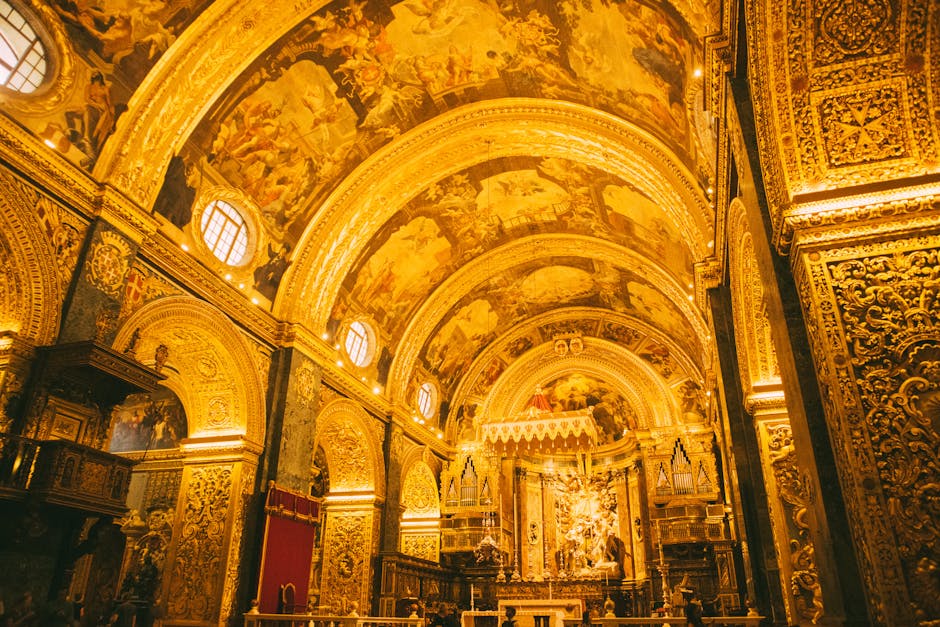
St. John’s Co‑Cathedral is famed for a baroque interior of almost theatrical opulence: painted ceilings, gilded stuccoes, richly decorated side chapels and, above all, masterpieces by the Florentine school and the artist Caravaggio. The best‑known work is « The Beheading of Saint John the Baptist » by Michelangelo Merisi da Caravaggio, on display in the co‑cathedral since the 17th century. Indicative opening hours: 09:30 – 16:30 (daily). Admission: around €12.00 for adults, with discounts for youth, students and seniors. Check for liturgies which can restrict access to parts of the church.
The Grandmaster’s Palace, once the residence of the Grand Master of the Order of St. John and today home to the President of Malta (in some sections) and parliamentary displays, showcases state rooms, an armoury and tapestries. The collection also includes historic portraits of Grand Masters and ancient administrative records. Indicative opening hours: 10:00 – 17:00 (Monday–Friday), though sections may close for official events; admission: around €10.00 for adults. Guided tours in English and Italian are sometimes offered.
Practical tips on art and protocol
- Dress code: for the Co‑Cathedral avoid very short shorts and bare shoulders; a shawl may be required.
- Audio guides: available at both the Co‑Cathedral and the Palace; they provide essential context to appreciate the baroque details.
- Combo tickets: consider a combined ticket if available — it saves time and money.
- Photography: indoor photography is often allowed without flash; follow the signs at the entrance.
National Museum of Archaeology and prehistoric collections: Malta before the Knights
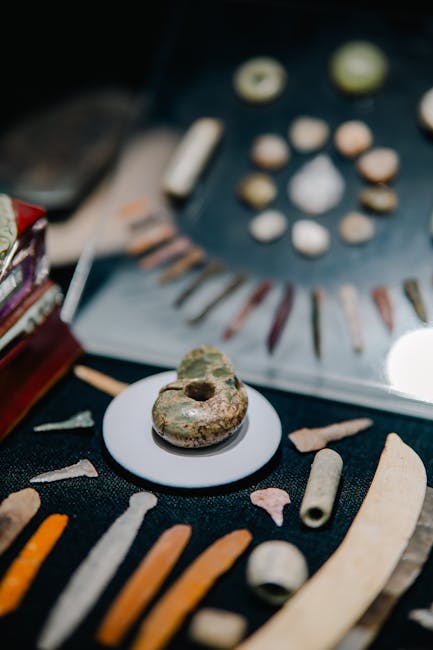
Malta’s history stretches back well before the Knights, visible in its megalithic sites and archaeological finds. The National Museum of Archaeology presents this prehistoric story: figurines, tools, pottery and stone material from the temples of Ġgantija, Ħaġar Qim and Mnajdra. Address: National Museum of Archaeology, Republic Street, Valletta VLT 1110, Malta. Indicative opening hours: 09:00 – 17:00 (daily). Admission: around €10.00 for adults, often free for under‑18s or under certain conditions.
The displays highlight a cultural continuity stretching from roughly 5,000–2,500 BC. Iconic objects include the famous « Venus of Malta » figurine and elements of funerary furniture. Interpretive panels explain excavation techniques, dating methods and Malta’s ancient Mediterranean connections. A visit helps you understand that, even in prehistory, Malta was an important religious and maritime centre.
Visiting tips and mobility
- Recommended time: 1 to 1.5 hours for a careful tour of the exhibits.
- Combine with: pair this visit with a trip to the Manoel Theatre or a stroll along Republic Street.
- Facilities: toilets, museum shop and English brochures; multilingual staff are available.
- Guided tours: take a guided tour if you want deeper insight into the prehistoric chronology and Mediterranean links.
Walks, gardens and markets: everyday Valletta and local tips
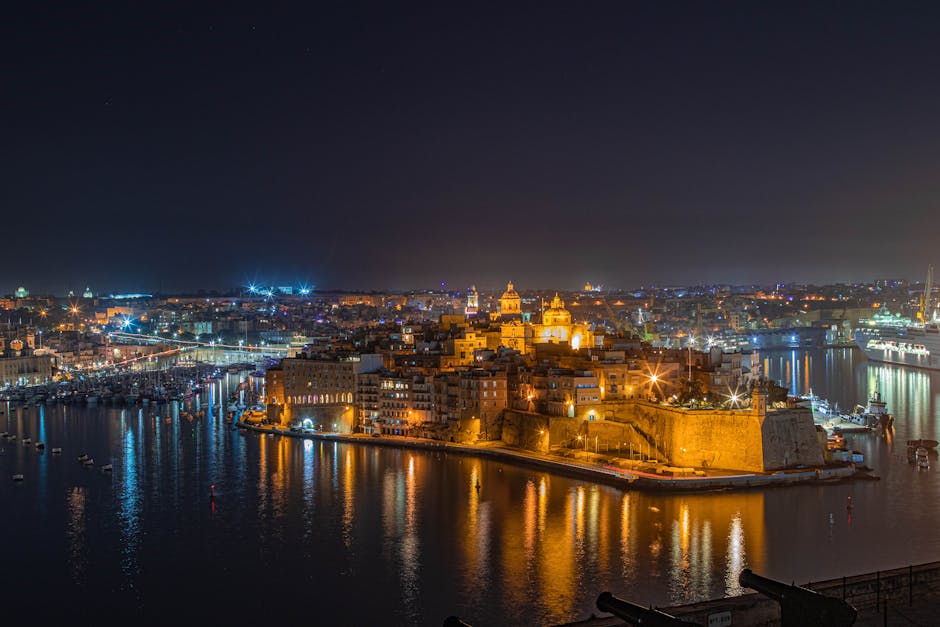
Beyond museums, Valletta is best enjoyed in its public spaces: the Upper Barrakka Gardens, the quays, markets and shopping streets. Upper Barrakka Gardens (address: Upper Barrakka Gardens, Valletta VLT 1119, Malta) offers sweeping views over Grand Harbour and the Saluting Battery — a prime photo spot at sunrise or sunset. The gardens are generally open 07:00 – 19:00 and entry is free.
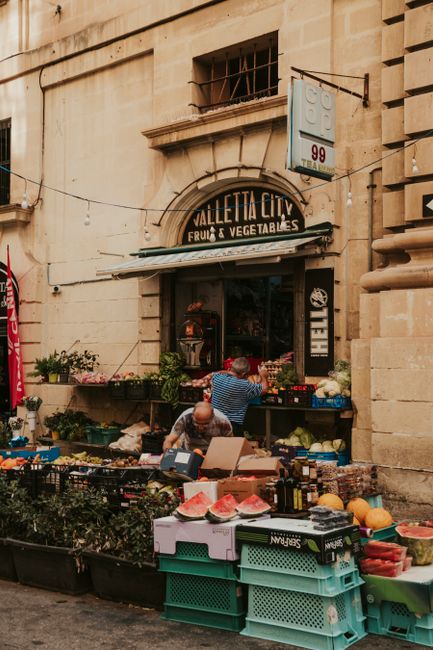
Republic Street and Merchant Street are the main shopping arteries, with craft shops, souvenir stores and cafés. The Valletta street market (Mercat) spills across the lanes with local produce and Mediterranean aromas. For a modern covered market and food stalls, head down toward the Valletta Waterfront along the seafront for restaurants and bars.
Local practical advice
- Getting around: Valletta is best explored on foot; buses connect the city to main hubs (terminus at Valletta Bus Terminus, Republic Street).
- Currency: euros (€). Carry some cash for small shops and tips, though many places accept cards.
- Food and drink: try a ftira (Maltese bread) and fresh fish near the quays — restaurants around Valletta Waterfront serve mains from about €12 to €30 depending on the venue.
- Safety: very good in the centre; still, keep valuables in sight in busy tourist spots.
Recommended routes and combined visits
To make the most of your time in Valletta, here are two practical itineraries — one for a half‑day and one for a full day — that mix history, art and viewpoints. They take into account typical museum hours and the best light for photos.
Half‑day itinerary (morning)
- 08:30 – 10:00: Fort St. Elmo and the National War Museum (Fort St. Elmo, Valletta VLT 1010) — enjoy the cool morning air and the views.
- 10:15 – 11:30: Upper Barrakka Gardens — walk down to the Saluting Battery for the guard change if it’s scheduled.
- 11:45 – 13:00: St. John’s Co‑Cathedral (Triq San Gwann, Valletta VLT 1429) — use an audio guide for Caravaggio and the chapels.
This route gives a dense but manageable overview, ideal if you arrive by ferry or have an afternoon free.
Full‑day itinerary
- 09:00 – 11:00: National Museum of Archaeology (Republic Street, Valletta VLT 1110) to get a sense of Malta’s prehistoric past.
- 11:15 – 13:00: Grandmaster’s Palace (Republic Street, Valletta VLT 1110) and the armoury.
- 13:00 – 14:00: Lunch on Republic Street or at the Valletta Waterfront (meals €12–30).
- 14:30 – 16:00: Wander the lanes, shop for crafts and, if open, visit the Manoel Theatre (Old Theatre Street, Valletta VLT 1161) — short guided tours often cost around €5–8.
- 16:30 – 18:00: Return to Fort St. Elmo for sunset or continue exploring the bastions.
Check opening hours around public holidays and festival dates — Valletta hosts many cultural events that can affect access to official buildings. If you have a Heritage Malta pass you can often combine multiple museums at a reduced rate and skip some queues.
Conclusion: traveling back in time in Valletta — final tips and heritage respect
Valletta is a travel experience where every corner tells a story: the defensive strength of Fort St. Elmo, the artistic and religious fervour of St. John’s Co‑Cathedral, the authority of the Grandmaster’s Palace and the millennia revealed in the National Museum of Archaeology. Beyond the stones and galleries, the capital is a living place where culinary traditions, public gardens and small shops complete the immersion. To get the most from Valletta, pair practical planning (times, tickets, routes) with a willingness to slow down: sit in a café, watch porters and fishermen, listen for the cathedral bells at dawn.
A few final recommendations: always double‑check official opening hours on institutional websites (Heritage Malta, Malta tourism office) before you travel, as times and prices can change for restorations or official events. Respect conservation rules (don’t touch artworks, follow marked routes), especially in fragile church interiors and archaeological rooms. Adopt sustainable habits: favour walking, bring refillable bottles and support local artisans when you shop.
In short, Valletta offers a rare blend of military defence, religious authority and cultural richness accumulated over millennia. Whether you’re into military history, baroque art, archaeology or simply want spectacular views, Malta’s capital delivers a memorable route. Pack comfortable shoes, extra memory cards and a curious mind — Valletta is ready to tell you its story, from Fort St. Elmo to the national collections.