





Introduction — Getting Around Valletta in a Wheelchair: Understanding the City, Its Challenges and Strengths
Valletta, Malta’s historic and cultural capital, is a compact city-perched-on-an-island set atop a rocky plateau, ringed by ancient walls and overlooking the Grand Harbour. For wheelchair users, Valletta presents a unique blend of challenges and opportunities: narrow, cobbled lanes and steep staircases on the one hand, and newly adapted monuments, informed staff and upgraded public transport on the other. This guide is written to be a practical, detailed and realistic resource — with exact addresses, opening times, prices in euros and local tips — to help plan accessible and enjoyable routes around Valletta.
Visitors using wheelchairs will find that many landmark sites have made notable accessibility improvements: ramps, lifts, marked accessible routes and adapted restrooms. Other places still carry historical architectural constraints (steps, high thresholds, uneven surfaces) that require advance planning and sometimes assistance. This guide combines direct access information for must-see attractions, suggestions for flat or gently sloping routes, accessible transport options (Tallinja low-floor buses, ferries between Valletta and Sliema), and useful local services like wheelchair rental, tourist assistance points and accessible toilets.
You’ll find routes designed to avoid steep climbs, itineraries that favor wide sidewalks and modern areas, as well as alternatives (public lifts, seaside paths, accessible parking) when direct access is limited. We also explain how to book adapted guided tours, which times to choose to avoid the crowds, and how to plan a typical day with accessible lunch breaks. The guide is aimed at both manual wheelchair users and powered wheelchair users: it includes turning-space indications, road-surface notes, and the availability of benches for companions.
Practical details include entrance fees in euros, opening hours and precise addresses for each place mentioned so you can program your GPS or share coordinates with an accessible taxi. Finally, local tips — contacts for rental providers, recommended accessible restaurants, and tricks for crossing cobbled squares on market days — are provided to make your visit to Valletta as smooth as possible.
1) Waterfront Accessible Route: Upper Barrakka, Valletta Waterfront and the Ferry to Sliema
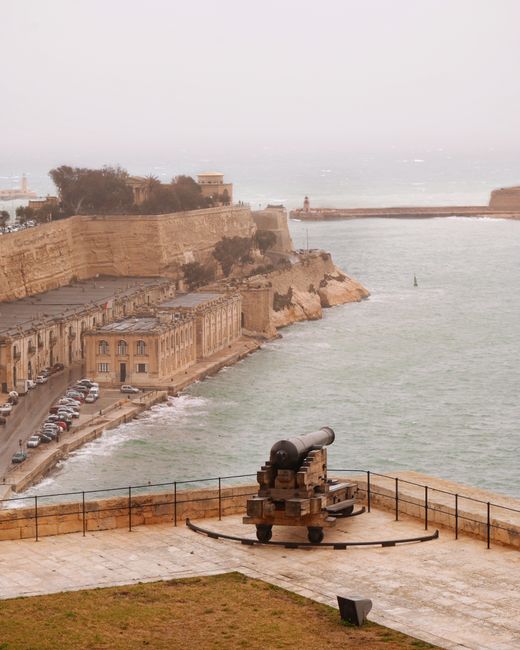
Start your exploration at Valletta’s most dramatic terrace: Upper Barrakka Gardens, located at St. Martin’s Bastion, Valletta VLT 1110, Malta. The gardens are free to enter (admission: free) and open daily from 07:00 to 22:00. A wide paved avenue leads to sheltered viewpoints where a powered wheelchair can move around, although some pebble-strewn areas require caution. One big plus is the small public lift that connects the upper bastion down to the harbour level (check its operational status on site) — handy for returning.
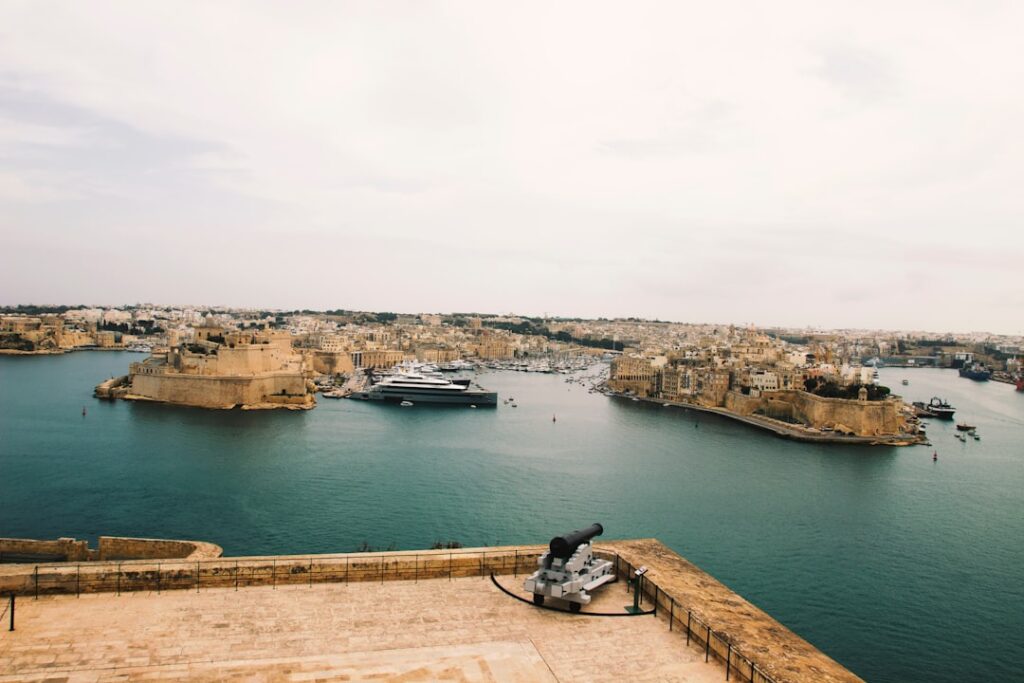
From Upper Barrakka, carefully descend the ramp toward the Valletta Waterfront, Pinto Wharf, Valletta VLT 1911, a flat harbour promenade with ramps and wide pavements ideal for wheelchair maneuvering. The waterfront is level and packed with cafés and restaurants that are generally accessible. Several establishments display signs indicating accessible toilets at their entrance.
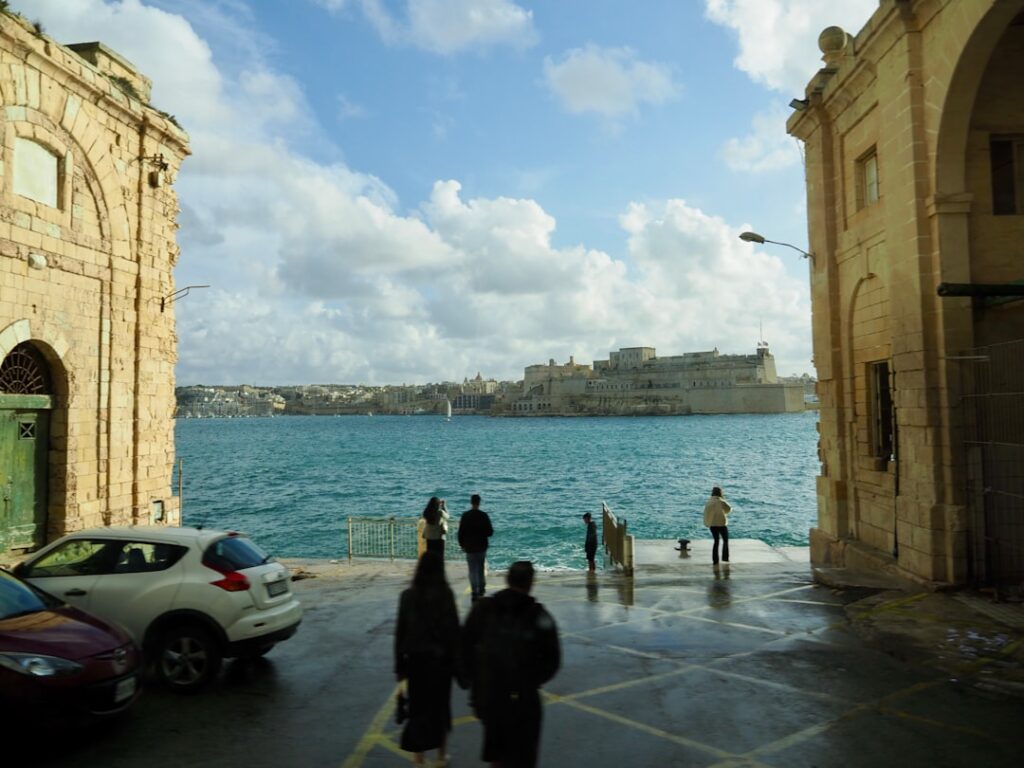
For a trip to Sliema, take the ferry from the Valletta Ferry Terminal, Pinto Wharf, Valletta VLT 1911. Adult fare: €1.50 per one-way crossing. Timetable: typically every 20–30 minutes between 06:00 and 23:00, with higher frequency in summer. The quays have access ramps and the ferry accommodates wheelchair users, but it’s recommended to arrive 10–15 minutes before departure to board calmly. In Sliema, the seafront is level and features wide pedestrian promenades.
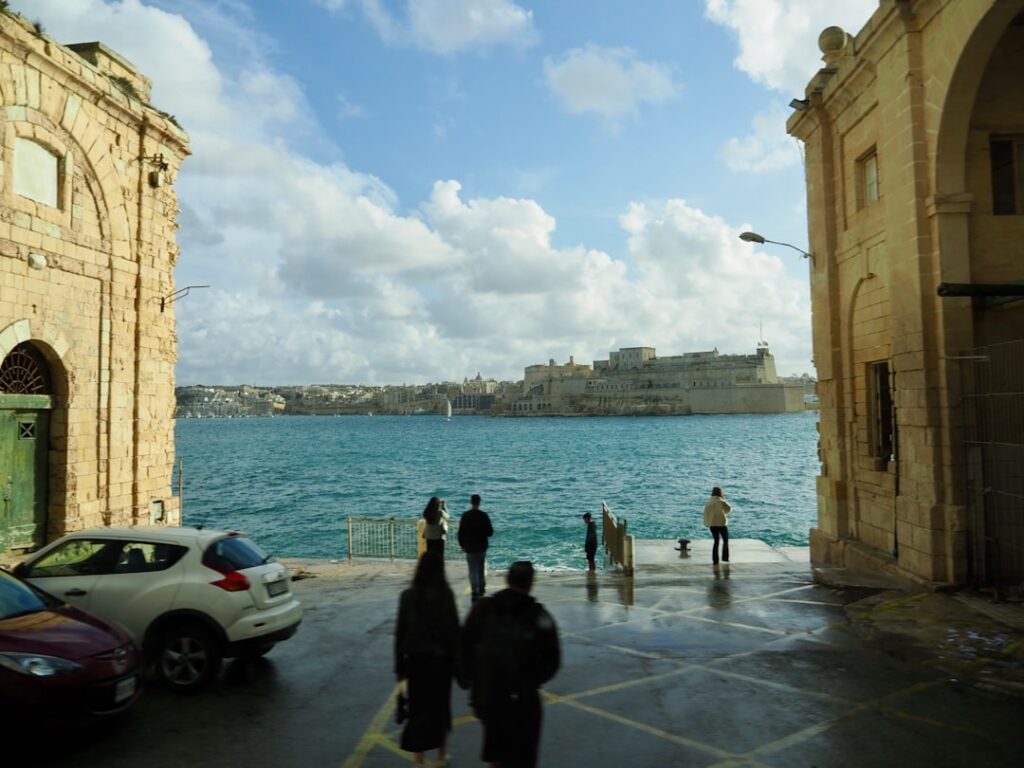
Practical tips: favor quiet morning hours (07:30–10:30) to avoid crowds and heat, bring gloves for pushing on slightly rough sun-warmed surfaces, and locate accessible toilets in advance (look for the international accessibility pictogram — they’re often available at Valletta Waterfront and near the gardens). If you need assistance, café staff near Pinto Wharf are generally accustomed to helping with ferry boarding.
2) Accessible Cultural Circuit: St. John’s Co-Cathedral, National Museum of Archaeology, Manoel Theatre
For a cultural day, Valletta offers several museums and monuments that have been made accessible after recent upgrades. Start with St. John’s Co-Cathedral, located at St. John’s Street, Valletta VLT 1256, Malta. Opening hours: 09:30–16:30 (last entry 16:00), closed on certain religious holidays. Adult ticket: €10.00 (reduced fares for seniors/students). The cathedral has a side-ramp access and a visitor route with an adapted audio guide. The interior is richly decorated; some thresholds have temporary ramps — inform staff on arrival if you need help getting around.

A short roll away (mostly paved surfaces but with wide sidewalks) is the National Museum of Archaeology at Republic Street, Valletta VLT 1215, Malta. Hours: 09:00–17:00, adult ticket: €10.00. The museum has an elevator and adapted routes, with some braille panels in certain rooms and accessible restrooms. Exhibits on Malta’s prehistory are presented clearly, with visual supports and roomy spaces for wheelchair turning.
Continue to the Manoel Theatre, Old Theatre Street, Valletta VLT 1924, Malta. Built in 1731, the theatre offers adapted guided tours by reservation. Guided tour price: €6.00 per person; tour times: generally 10:00–13:00 (by reservation, subject to schedule). The Manoel provides level access into the auditorium and a designated area for wheelchair users (please mention this when booking).

Tips: call 24–48 hours in advance to guarantee elevator access and to check if a staff member can assist on site. Carry a small printed map with addresses and phone numbers of the venues (museums usually respond quickly by email) and plan a lunch break at an accessible café on Republic Street. Many venues clearly list accessibility info on their websites; when in doubt, contact the Malta Tourism Authority for confirmation.
3) Accessible Historic and Military Route: Fort St. Elmo, National War Museum and Bastion Walks
Fort St. Elmo and the National War Museum are essential stops to grasp Valletta’s military history. The site is at Fort St. Elmo, Valletta VLT 1190, Malta. Hours: 09:00–17:00 (last entry 16:00). Adult ticket: €10.00. The fort has been partially adapted for visitors with reduced mobility: access ramps, reinforced walking surfaces and a marked accessible circuit that reaches most of the main galleries. Some towers and upper paths remain inaccessible due to historic steps.
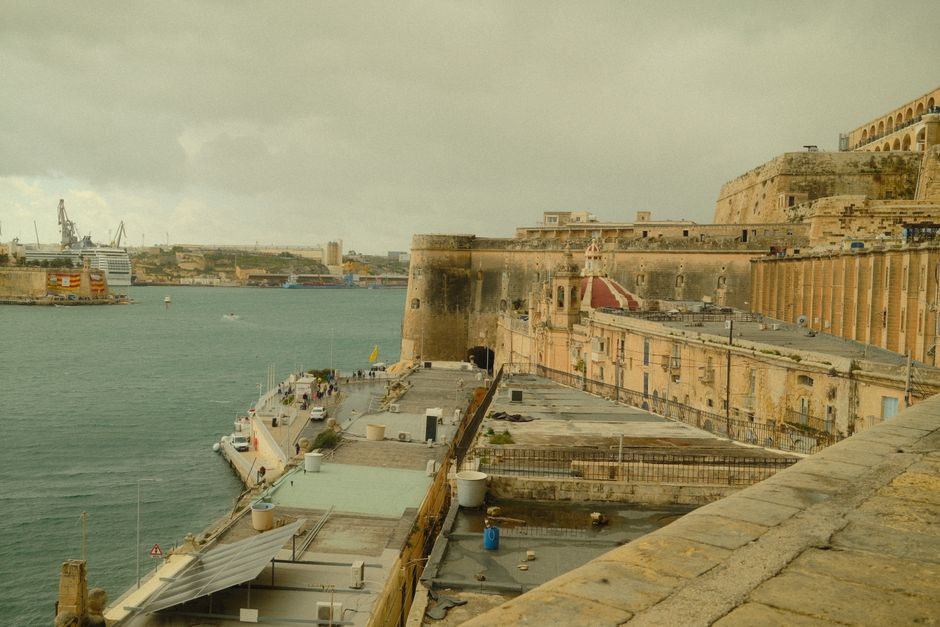
The National War Museum inside the fort displays a rich collection of vehicles, uniforms and original documents. The main exhibition areas are reachable by an internal lift and have wide aisles; the museum also offers explanatory panels at adapted heights. Plan 1.5 to 2 hours for a full visit. It’s advisable to arrive early for a quieter circuit and better access to tighter exhibition spaces.
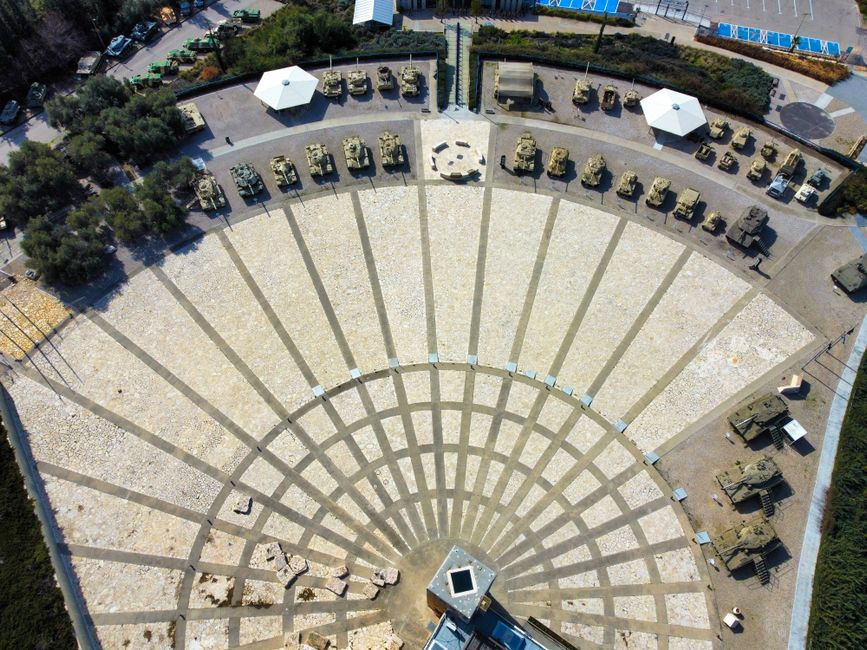
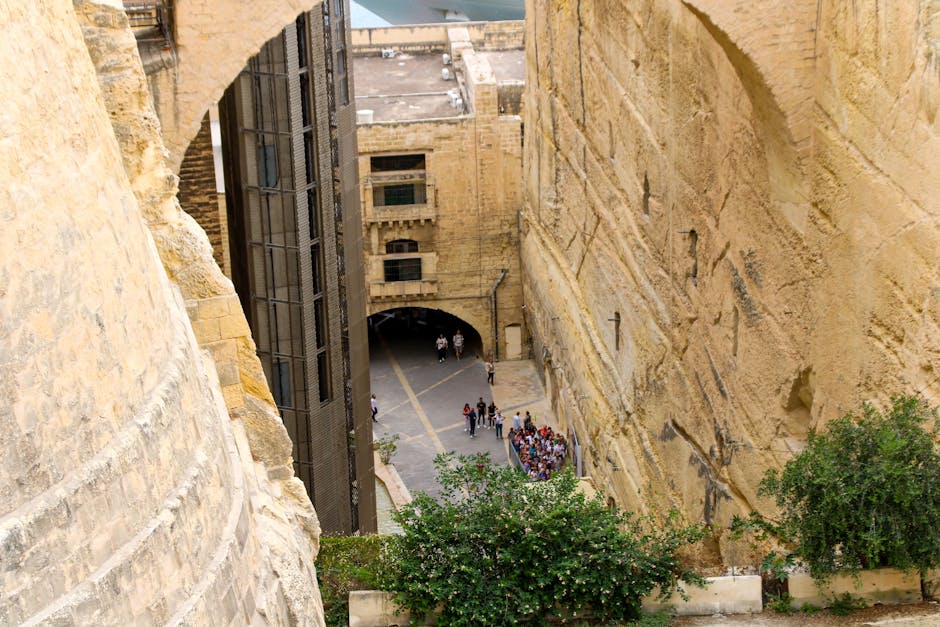
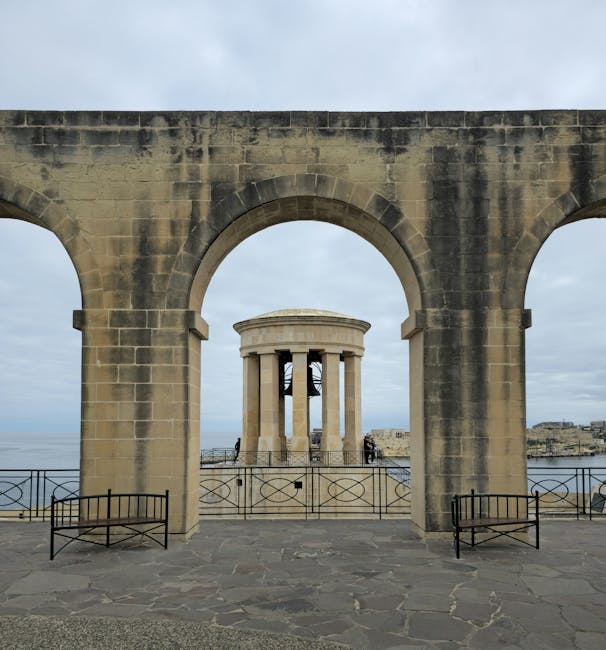
After touring the fort, take the bastion walks along the city walls: these promenades offer spectacular views over the Grand Harbour and sheltered rest spots. Reference address: Upper Barrakka / Siege Bell Memorial, Valletta VLT 1110. The Siege Bell Memorial is accessible and provides a lift/ramp to reach the lower viewing platform. Paths along the walls may include cobbled sections, but the main cliff-edge promenades often have gentle ramps and guard rails.
Local tips: museum and fort staff can offer occasional assistance with thresholds or steep slopes. Check the weather (bastions can be windy) and bring a light cover if you use a powered chair that’s sensitive to drafts. If you have specific needs (carer, extended access), contact the museum in advance: National War Museum / Fort St. Elmo phone — +356 2122 3283 (indicative number; confirm when booking).
4) Urban Mobility and Services: Tallinja Buses, Accessible Taxis, Rentals and Accessible Toilets
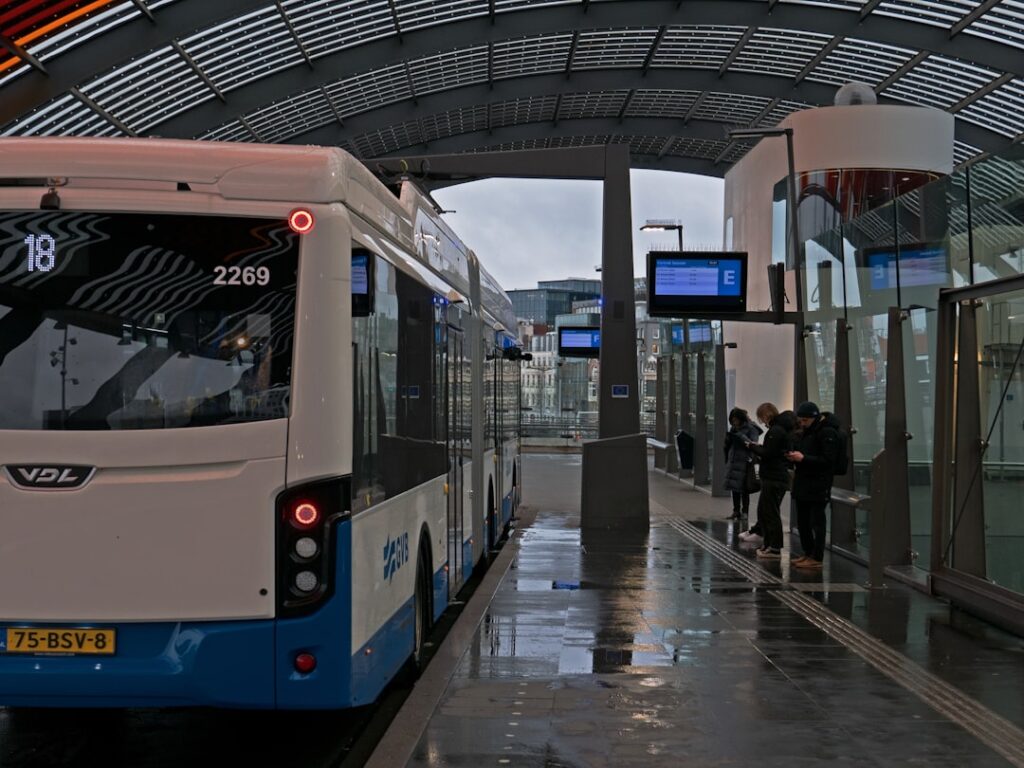
Getting around Valletta day-to-day relies on several services: the Tallinja public buses, adapted taxis, wheelchair rental points and accessible public toilets. Malta’s bus network (Tallinja) has modernized its fleet with low-floor vehicles and access ramps. The main line to Valletta terminates at the Valletta Bus Terminus, Triq il-Merkanti, Valletta VLT 1130, Malta. Standard fare: €2.00 per single journey; Tallinja 7-day unlimited card: €21.00. Timetables: many lines serve Valletta from 05:30 to 00:30; frequency varies by line and season.
For door-to-door transport, several companies offer adapted taxis. Example provider: Accessible Taxis Malta (advance booking recommended); administrative address: Triq San Gwann, San Ġwann, SGN 1203, Malta. Indicative fare: pickups in town start from €10–€15, depending on distance; allow an extra charge for loading bulky equipment. Book 24–48 hours ahead if you need a ramp-equipped vehicle.
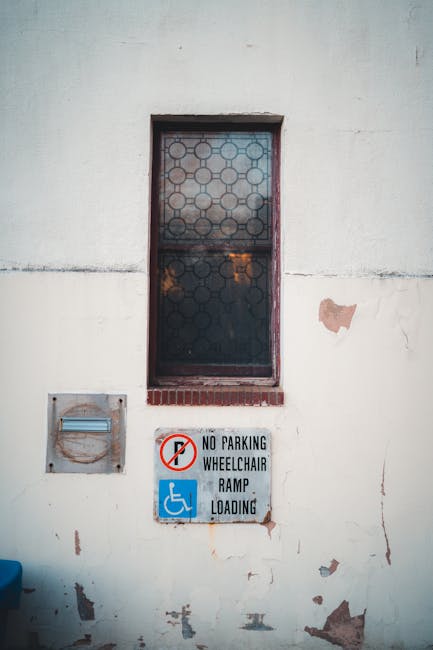
For wheelchair and medical equipment rental, contact Rent A Wheelchair Malta (or an equivalent local service) — central office: Triq ir-Repubblika, Valletta VLT 1110. Rates: short-term rental (1 day) from €15.00, weekly rates around €60–€80 depending on the model (manual vs powered). Reserve in advance, especially in high season, to ensure delivery to your accommodation.
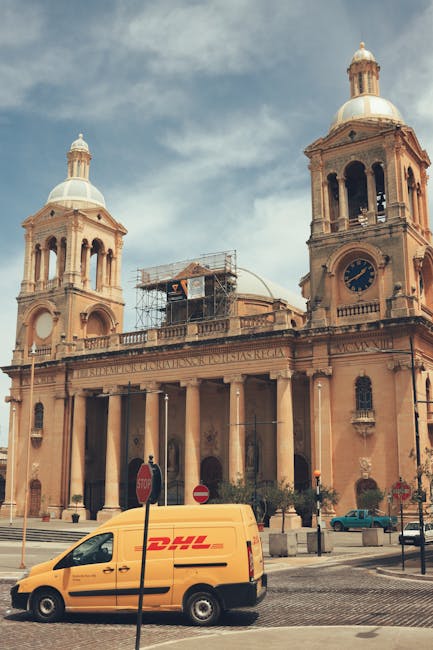
Accessible toilets: Valletta has accessible public restrooms at key spots: Valletta Waterfront (Pinto Wharf), Republic Square (near City Gate), and inside major museums (National Museum of Archaeology, Fort St. Elmo). Many display the international accessibility symbol; carry a small bag for emergency changes and be aware that during peak season these facilities can be occupied — plan regular breaks.
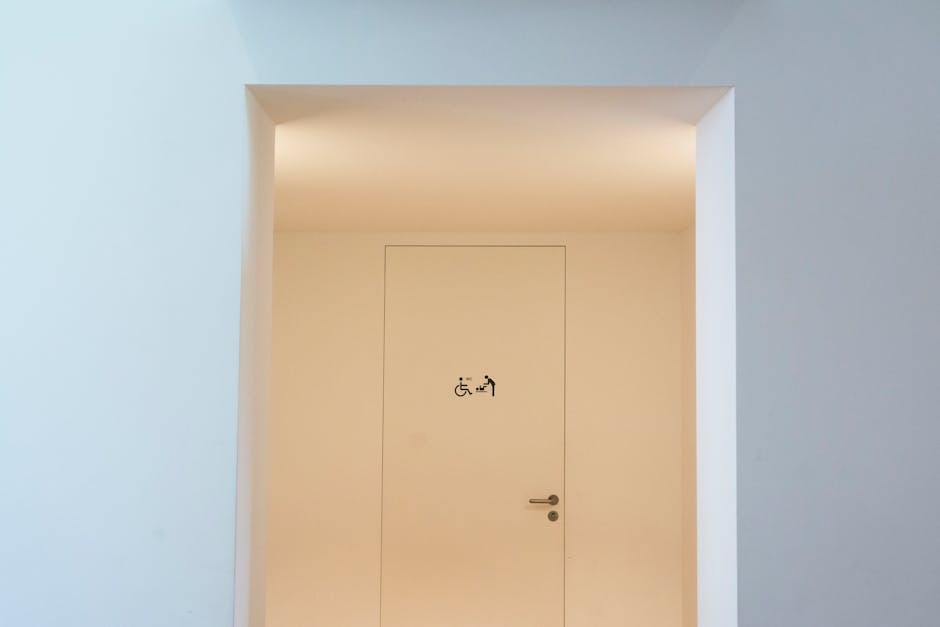
Practical mobility tips: use the Tallinja app to plan journeys, charge your powered wheelchair before heading out, bring a basic tool kit for small repairs and carry a printed map of assistance addresses. For emergencies or special adaptations, the Malta Tourism Authority (MTA) and Valletta’s visitor centers can provide up-to-date lists of accessible providers.
Conclusion — Plan, Enjoy and Stay Independent in Valletta
Getting around Valletta in a wheelchair takes careful planning but can be a truly rewarding experience: breathtaking views, rich museums, harbour walks and attentive local hospitality. Recent accessibility efforts have opened many must-see sites, although the historic architecture will occasionally require ad-hoc solutions. By planning visits (book museums or adapted taxis 24–48 hours ahead), choosing calm morning hours, and focusing on flat routes like the Valletta Waterfront promenade or the Upper Barrakka terrace, you’ll maximize independence and enjoyment.
Final practical tips: keep a printed list of addresses and phone numbers (St. John’s Co-Cathedral — St. John’s Street, Valletta VLT 1256; National Museum of Archaeology — Republic Street, Valletta VLT 1215; Fort St. Elmo — Valletta VLT 1190; Valletta Ferry Terminal — Pinto Wharf, Valletta VLT 1911), note typical costs (museum entries around €10, ferry €1.50, bus €2.00, wheelchair rental from €15/day) and check opening hours before each outing. Also prepare for the weather (shade, hydration) and schedule frequent rests: Valletta is best explored at a relaxed pace, alternating culture, coffee breaks and seaside strolls.
Don’t hesitate to ask site staff for help: they are often used to assisting visitors with reduced mobility and can speed up access, suggest alternative routes or even lend equipment briefly. With a little organization, Valletta proves to be an accessible and exciting destination where heritage and Mediterranean views can be enjoyed to the fullest — wheelchair included.