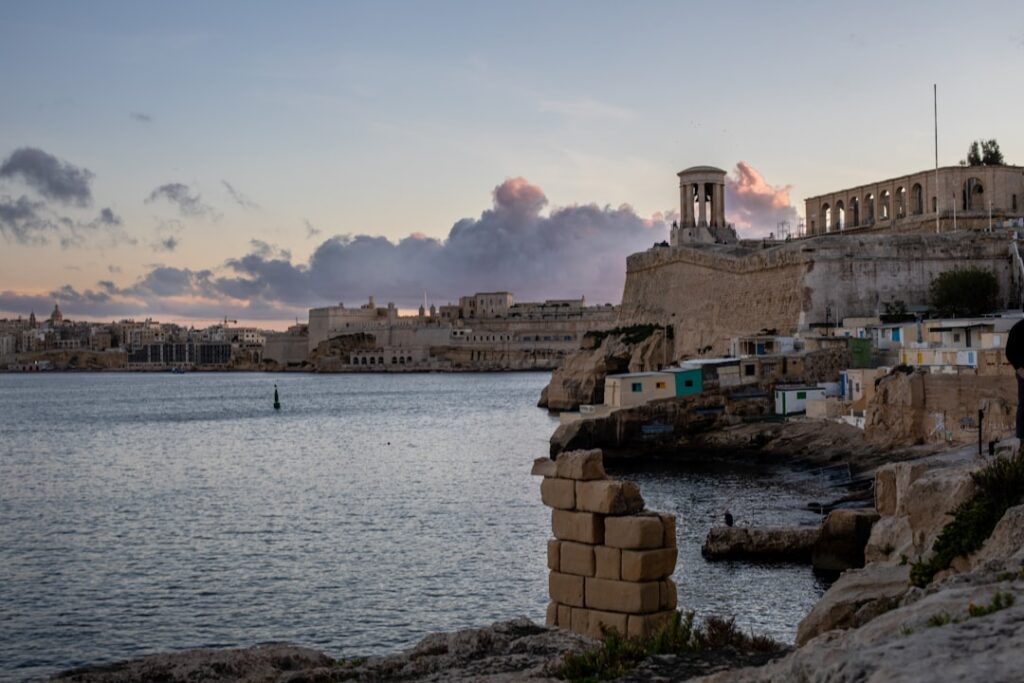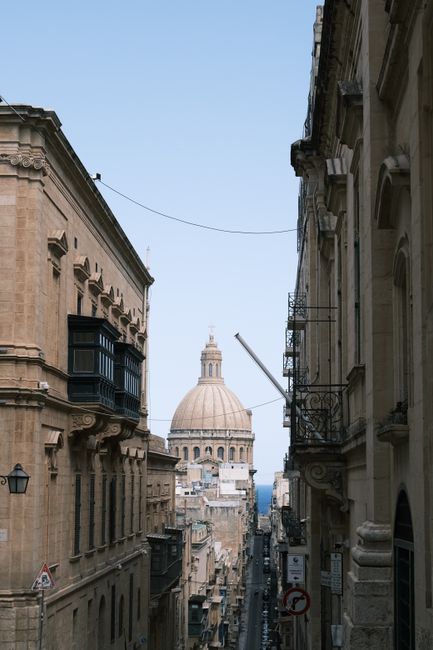






Introduction — Valletta: an open-air museum with treasures to explore
Valletta, Malta’s historic capital, is often described as one gigantic open-air museum. Founded in the 16th century by the Order of St John, this fortified city packs an astonishing density of historic buildings, palaces, churches and museums. For curious travelers, every cobbled street peels back layers of history — from ancient times to the Baroque age, through the era of the knights and the conflicts of the 20th century. While the architecture alone already feels like a permanent exhibition, Valletta’s museums offer a deeper dive: archaeological finds, paintings, sacred art, military collections, archives and living heritage all tell the unique story of the archipelago.
This guide covers Valletta’s 10 must-visit museums you should prioritize. The aim is twofold: help you plan an itinerary according to your interests (archaeology, art, military history, aristocratic life or theatre) and give practical details — exact addresses, indicative euro prices, typical opening hours and local tips to get the most out of each visit. The museums listed here reflect the city’s wide-ranging museum scene, from the majestic National Museum of Archaeology to more intimate spots like Casa Rocca Piccola, a still-inhabited aristocratic residence.
Some general tips before we dive into the ten museums: buy tickets online where possible (MUŻA, Fort St Elmo, St John’s Co-Cathedral), arrive early to avoid tour groups and summer heat, and mix museum time with a coffee break on Republic Street or a walk on the bastions (Upper Barrakka) to put your visits in context. Most museums in Valletta are within easy walking distance of one another, so it’s simple to plan a half-day or a full day on foot. Also check for discounts (students, seniors, families) and occasional closures — several museums close on Sunday mornings or have reduced winter hours.
The sections below detail each of the ten essential museums: precise address, indicative prices in euros, usual opening times, an immersive description of the collections and local tips — including the best moments to visit, photo spots and how to combine the visit with nearby attractions. The image markers  punctuate the text to give you visual ideas of what to expect. Enjoy your visit — bring a notebook and a camera!
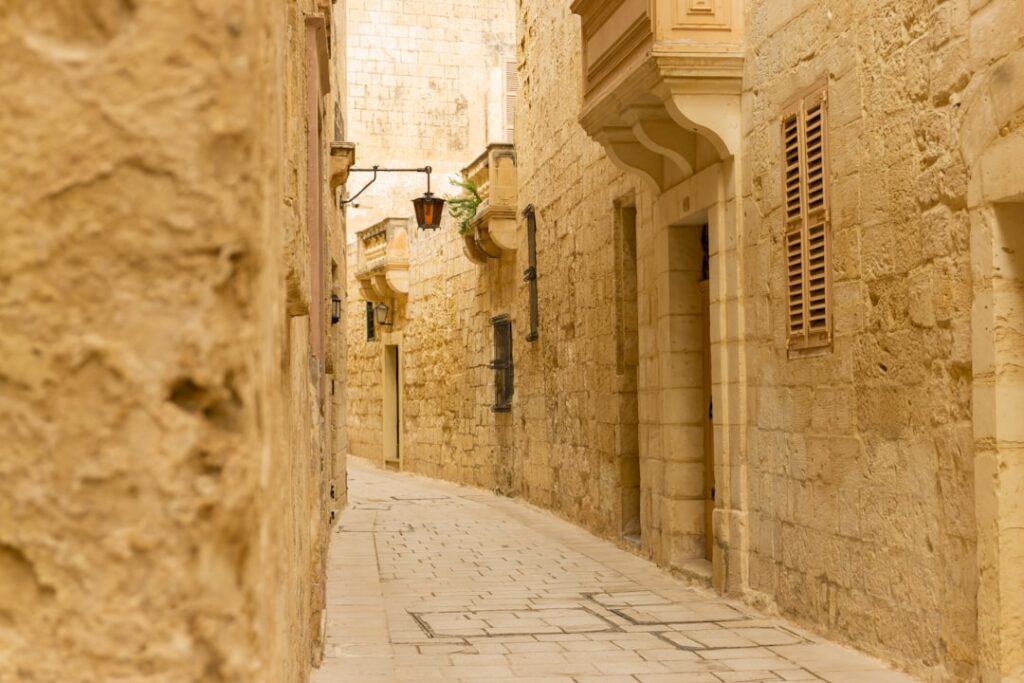
1) National Museum of Archaeology (Auberge de Provence)
Full name: National Museum of Archaeology — Auberge de Provence
Address: Auberge de Provence, Republic Street, Valletta VLT 1113, Malta
Indicative prices: Adult €10 — Student/senior €6 — Under 16 free
Typical hours: Monday to Saturday 09:00–17:00; Sunday 09:00–12:30 (hours subject to change)
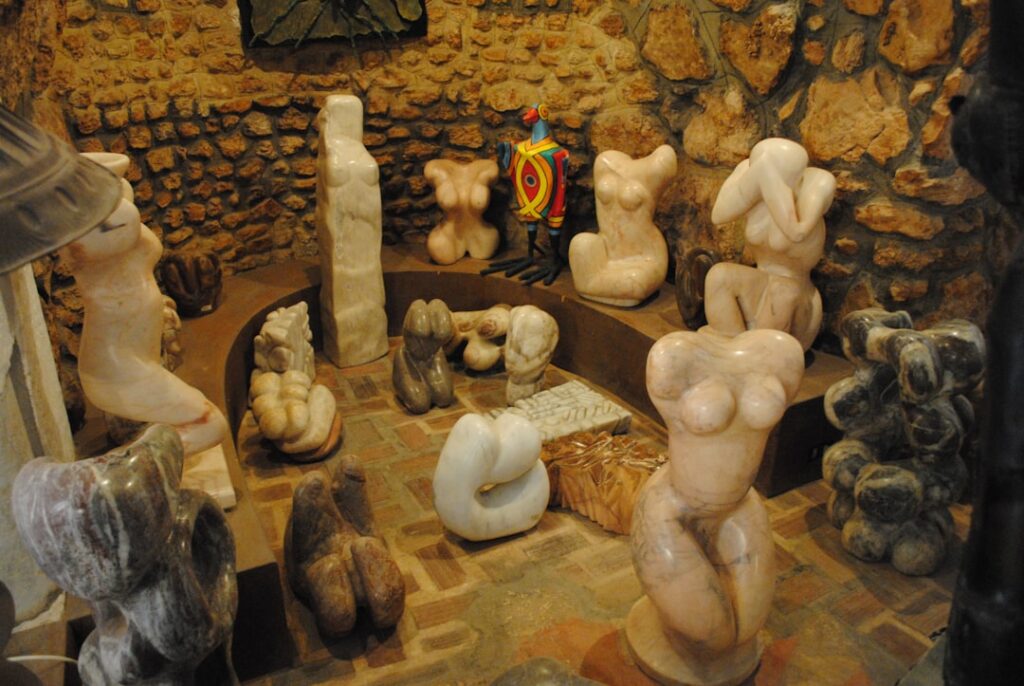
The National Museum of Archaeology is a must for anyone wanting to understand Malta’s prehistoric roots. Housed in the elegant Auberge de Provence on Republic Street, the museum holds collections spanning Maltese Neolithic times through the Punic and Roman periods. Highlights include famous Neolithic figurines — notably the Venus from Ħal Saflieni — decorated jars, inscribed stelae and stone objects that bear witness to a sophisticated island civilization.
The displays emphasize chronology and daily life: tools, jewelry, architectural fragments and reconstructions help imagine the communities that built the megalithic temples of Ġgantija, Ħaġar Qim and Mnajdra. Rooms are bathed in soft light with explanatory panels in English and Maltese; audio guides are sometimes available.
Local tip: visit early in the morning to enjoy the galleries before tour groups arrive, then head up to the nearby terrace for views over the city. Pair this visit with a coffee on Republic Street and allow 1.5 to 2 hours to read labels and appreciate the showcases. Photography is allowed without flash in most rooms — but follow posted rules around fragile objects.
2) MUŻA — The Malta National Community Art Museum (Auberge d’Italie)
Full name: MUŻA — The Malta National Community Art Museum (Auberge d’Italie)
Address: Auberge d’Italie, Republic Street, Valletta VLT 1116, Malta
Indicative prices: Adult €10 — Student/senior €6 — Under 16 free; special rates for temporary exhibitions
Typical hours: Monday to Sunday 09:00–17:00; some summer evenings open later
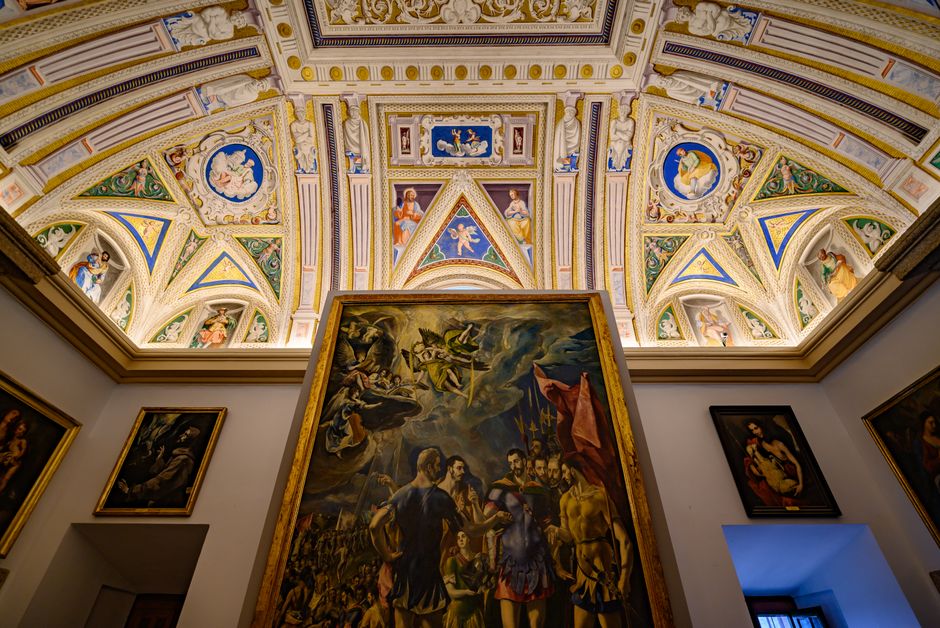
MUŻA is the new face of Malta’s national art museums: set in the historic Auberge d’Italie, it blends permanent collections with contemporary exhibitions. You’ll find paintings, sculptures and decorative arts that trace Maltese artistic development alongside Mediterranean and European exchanges. Accessibility is a priority: themed routes, workshops, community programs and participatory exhibitions make MUŻA a lively cultural hub.
Notable works include Baroque paintings (including pieces connected to the knights’ era), period portraits and contemporary series that create a dialogue with the building’s architecture. Upper rooms offer fine views over Valletta’s rooftops, and temporary galleries regularly host international artists.
Local tip: check the schedule for workshops or openings — joining a themed guided tour often reveals lesser-known works. Entry is frequently bundled with other cultural attractions; ask about combined tickets. Bring a sketchbook — the light from the windows and the views are inspiring for artists and illustrators.
3) St John’s Co-Cathedral & Museum
Full name: St John’s Co-Cathedral and Museum
Address: St John’s Square, Valletta VLT 1256, Malta
Indicative prices: Adult €15 — Student/senior €10 — Under 12 free (price for full visit including chapel and museum)
Typical hours: Monday to Saturday 09:30–17:00; Sunday 13:00–17:00 (mass times vary)
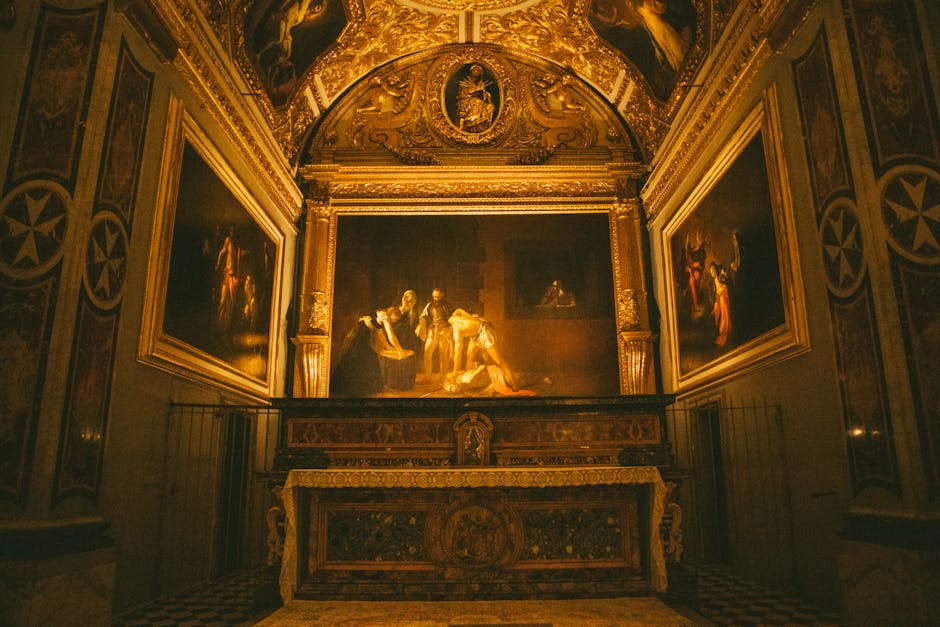
St John’s Co-Cathedral is arguably one of Valletta’s Baroque masterpieces. Built by the Order of St John, its modest exterior hides an opulent interior: polychrome marbles, monumental paintings and gilding form a sumptuous setting. The famous Caravaggio painting, The Beheading of Saint John the Baptist, is housed here and is a highlight of any visit.
The adjoining museum displays liturgical objects, silverware, armor and portraits of the Grand Masters. The richly decorated vaults and private chapels of the Order’s langues illustrate the artistic and political power of the period. The cathedral’s light and acoustics contribute to an atmosphere uniquely suited to contemplation.
Local tip: the chapel is very busy — book a time slot early in the morning or late afternoon to avoid the crowds. Allow 1.5 to 2 hours for the full visit. Photography is often prohibited inside the main chapel, so follow the rules and use the audio guide to catch historical and artistic details. After your visit, cross St John’s Square and climb to Upper Barrakka for panoramic views over the Grand Harbour.
4) Grandmaster’s Palace — State Rooms & Palace Armoury
Full name: The President’s Palace (Grandmaster’s Palace) — State Rooms & Palace Armoury
Address: Palace Square, Valletta VLT 1972, Malta
Indicative prices: Adult €10 — Student/senior €6 — Combined entry for State Rooms + Armoury
Typical hours: Monday to Saturday 10:00–16:00; closed on certain official days (check before visiting)
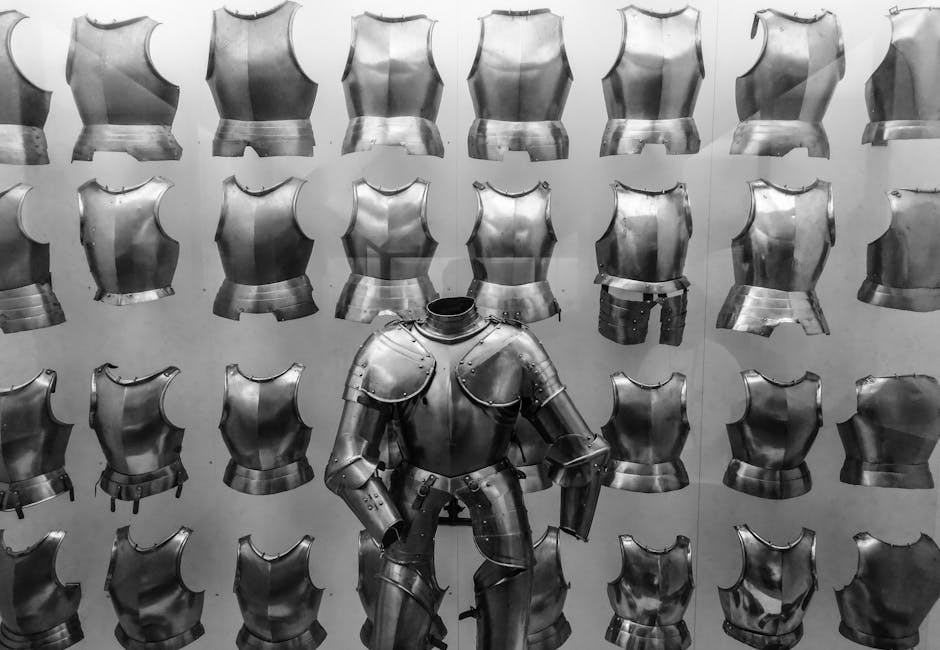
The Grandmaster’s Palace is a symbolic monument to the sovereignty of the Order of Malta. Now housing some official functions, it opens to the public several lavish state rooms and an impressive collection of weapons and armor — the Palace Armoury. Tapestries, official portraits and painted ceilings recount court life and the ceremonies of the Order.
The armoury displays impressive items: lances, swords, armor and early firearms, arranged to illustrate the evolution of warfare. The State Rooms give insight into protocol and interior architecture, with antique furniture, chandeliers and grand reception rooms.
Local tip: the palace area is very central — combine your visit with St John’s Co-Cathedral and a stroll through the nearby alleys. Photos are usually allowed without flash in the public rooms, but be discreet. Scheduled guided tours will help you understand lesser-explained rooms and the site’s diplomatic history.
5) Fort Saint Elmo & The National War Museum
Full name: Fort St Elmo — National War Museum, Valletta
Address: Fort St Elmo, St Elmo Place, Valletta VLT 1810, Malta
Indicative prices: Adult €10 — Student/senior €6 — Child €4; combined tickets with the bastions may be available
Typical hours: Monday to Sunday 09:00–17:00 (extended hours in high season)
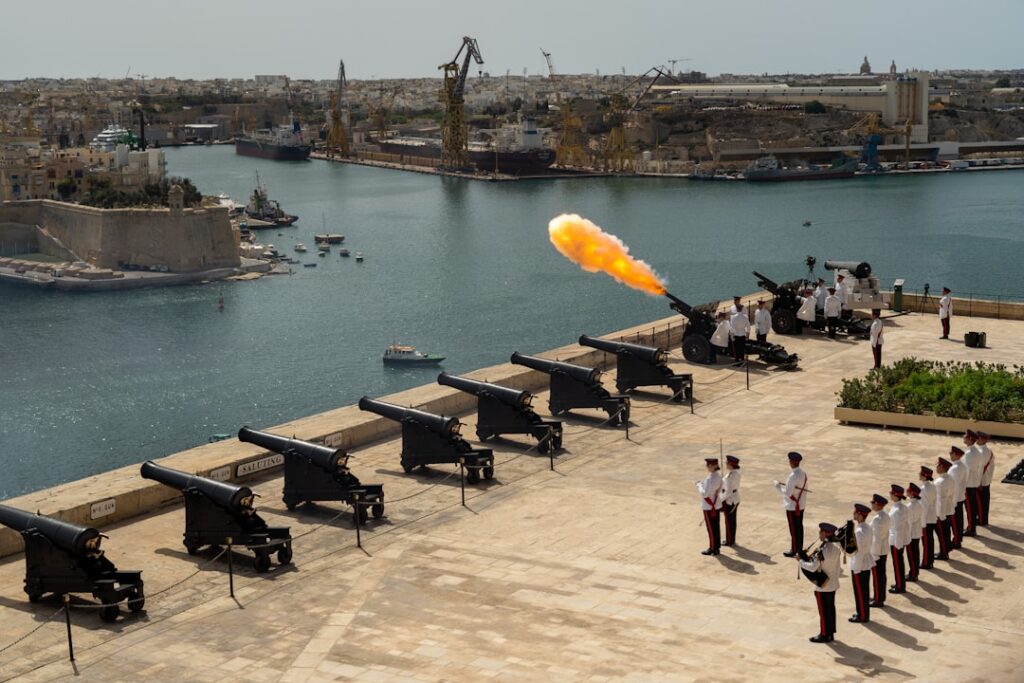
Perched at the tip of Valletta’s northern headland, Fort St Elmo dominates the entrance to the Grand Harbour. Beyond the fortress itself, the fort houses the National War Museum, which chronicles the conflicts that shaped Malta: the knights’ sieges, Ottoman assaults, and the Second World War and the island’s strategic role. Exhibits include military equipment, dioramas, archival documents and personal testimonies.
The visit is doubly rewarding: historically via the museum collections and topographically via a walk along the ramparts. The museum rooms explain the fortification’s importance and the resilience of the Maltese population during bombardments. Outside, you can appreciate the cannons, embrasures and spectacular views of the Three Cities and the harbour.
Local tip: favor late afternoon for the best light over the harbour — it’s a fantastic photography spot. Allow at least 1.5 hours to see everything (interior + ramparts). Wear comfortable shoes: the outdoor circuit includes steps and uneven surfaces. Check for special events or historical reenactments that can enrich your visit.
6) Casa Rocca Piccola — Private House Museum
Full name: Casa Rocca Piccola — Private House Museum of the de Piro Family
Address: 74, Republic Street, Valletta VLT 1116, Malta
Indicative prices: Guided tour adult €12 — Student/senior €8 — Child €7 (guided tours only, booking recommended)
Typical hours: Monday to Saturday 09:30–16:00 (last entry varies); closed on some days for private events
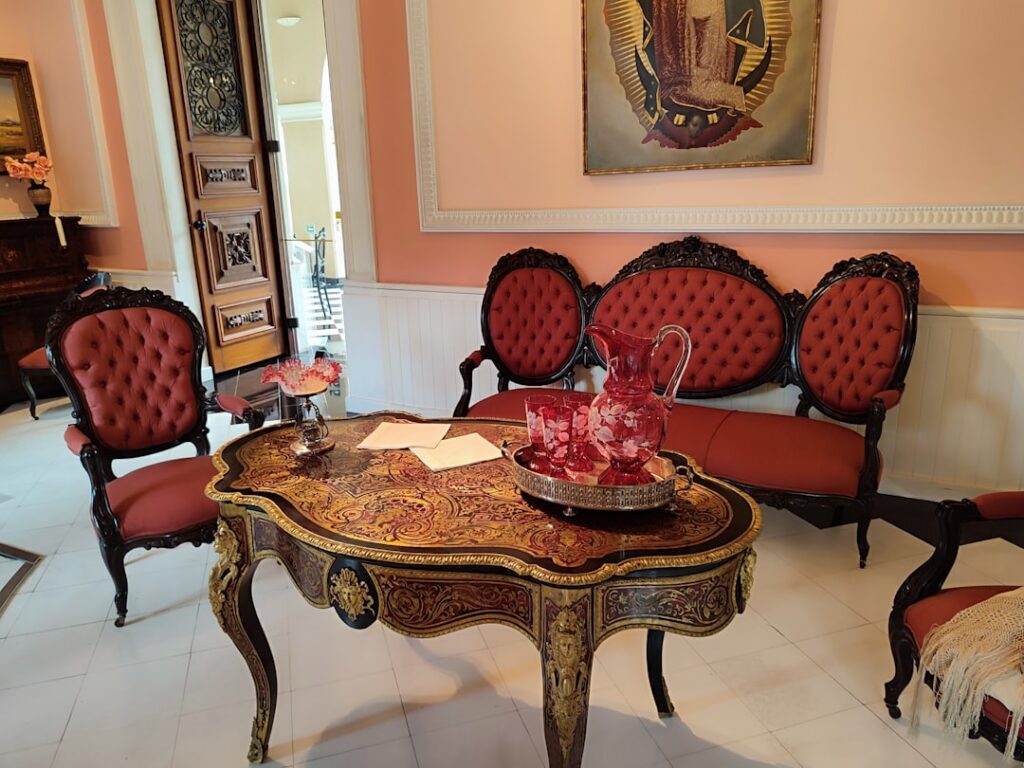
Casa Rocca Piccola is a 17th-century noble residence still lived in by the de Piro family. Turned into a house museum, it offers a rare glimpse into Maltese aristocratic life: furnished salons, silver collections, reception rooms, cellars and a courtyard garden. Tours, often led by very knowledgeable guides (and sometimes by family members), weave anecdotes, household practices and modern adaptations of a historic home.
The house preserves personal objects, portraits, costumes and domestic mementos. The route reveals defensive features, private chambers and how a heritage home continues to be lived in today. The experience is intimate, immersive and often moving — a meeting of heritage and family memory.
Local tip: tours are guided and limited in number — book ahead, especially in high season. The house is a privileged place to photograph silverwork and painted ceilings — ask permission for photos. After the tour, relax in the small inner garden or enjoy tea at a nearby spot on Republic Street.
7) Lascaris War Rooms & Tunnels
Full name: Lascaris War Rooms — WWII Tunnels and Exhibition
Address: Lascaris Ditch (entrance near Hastings Gardens), Valletta VLT 1971, Malta
Indicative prices: Adult €10 — Student/senior €6 — Child €5
Typical hours: Monday to Sunday 09:00–17:00 (check time slots for groups)
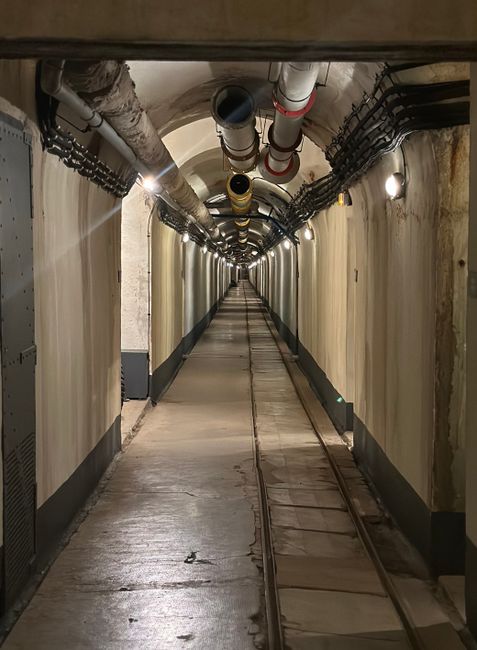
The Lascaris War Rooms literally take you under Valletta: former command rooms, communications centres and tunnels built to shelter the operational HQ during the Second World War. The exhibition recreates the atmosphere of wartime operations and showcases maps, communication systems, photographs and original radio equipment.
The experience is immersive: corridors, traces of wartime paint and glassed rooms provide a sense of historical urgency. Guides explain Allied strategy in the Mediterranean and Malta’s crucial role as a logistical base. The underground engineering is itself fascinating — ventilation, construction and defensive structures testify to the need for a protected command centre.
Local tip: temperatures in the tunnels are cooler — bring a light jacket. Group tours are common; try to find a quieter slot outside peak hours. This site pairs well with a walk along the bastions and a visit to Fort St Elmo. Panels are in English and Maltese, and more in-depth audio guides or guided tours are sometimes offered.
8) Manoel Theatre — Guided Tour (Theatre Museum experience)
Full name: Manoel Theatre — Teatro Manoel Guided Tour and Theatre Museum
Address: Old Theatre Street (Triq il-Kbira San Ġwann), Valletta VLT 1211, Malta
Indicative prices: Guided tour adult €8–€12 (depending on the option) — Student/senior discounts available
Typical hours: Scheduled guided tours, generally Tuesday to Saturday between 10:00–16:00; performance times vary
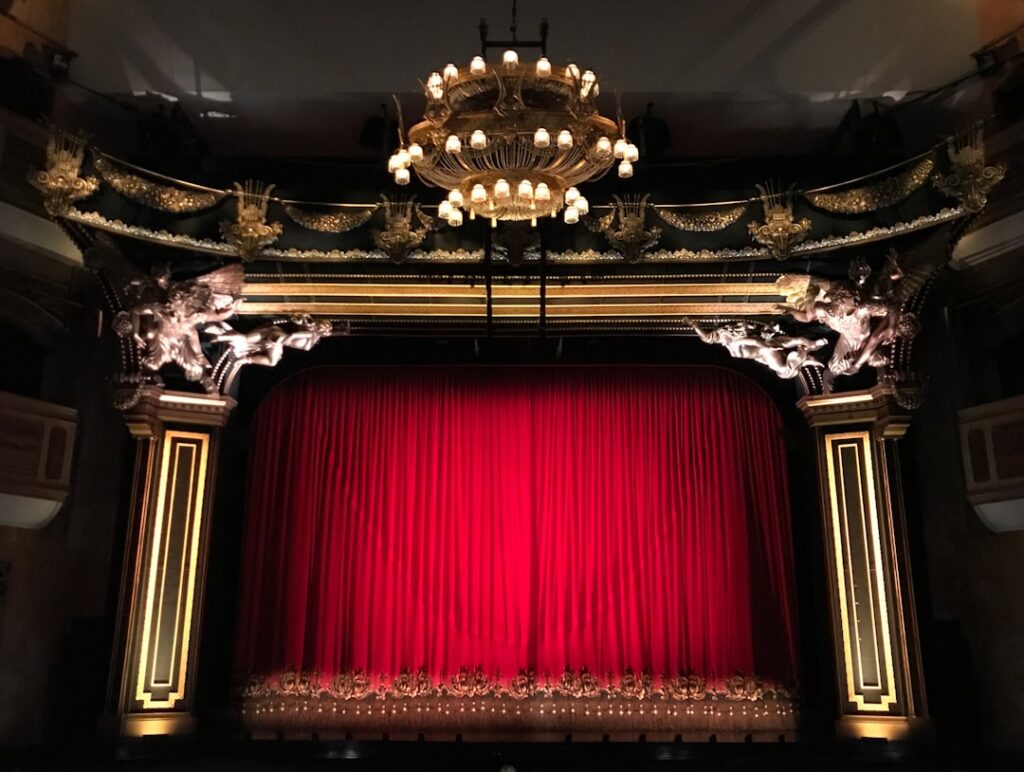
Founded in 1731, the Manoel Theatre is one of the oldest working theatres in Europe. Beyond attending a performance, a guided tour unveils the Italian-style auditorium, the boxes, the backstage areas and the theatre museum where costumes, old posters and instruments are kept. The building breathes Malta’s theatrical history — a mix of cultural seasons, operatic music and contemporary productions.
The tour also provides technical insight: stage machinery, acoustic systems, restoration of the painted ceiling and backstage stories. Guides share behind-the-scenes anecdotes, the evolution of shows and the theatre’s cultural importance to Maltese life.
Local tip: check the performance schedule — seeing an opera or concert at the Manoel is an unforgettable experience. Guided tours are limited in size; book online or via the tourist office. Combine the visit with lunch at one of the nearby historic restaurants to extend the period atmosphere.
9) The Malta Postal Museum (Philatelic and Postal History)
Full name: The Malta Postal Museum
Address: 135, Strait Street / Triq il-Merkanti area, Valletta VLT, Malta (main entrance per local signage)
Indicative prices: Adult €6 — Student/senior €4 — Child €3
Typical hours: Tuesday to Saturday 10:00–16:00; closed Sunday and Monday (check before visiting)
The Malta Postal Museum traces the evolution of correspondence, stamps and postal services in Malta. Featuring stamp collections, old post boxes, vehicles and sorting equipment, the museum highlights the importance of communications for the island. The displays include themed vitrines, historic mail items and a section dedicated to censorship and wartime mail.
The museum will appeal to philatelists but also to visitors curious about how the island connected with the wider world. Exhibits often include tangible objects — famous letters, postal marks and writing equipment — offering a social and technical narrative.
Local tip: combine this visit with a stroll through nearby streets like Strait Street, rich in social and nocturnal history. The museum shop sells commemorative stamps and stationery — a nice souvenir. Check temporary exhibitions, which often focus on rare philatelic series or historical themes.

10) Valletta Contemporary / Small Galleries & Heritage Houses
Full name: Valletta Contemporary (contemporary art gallery) & selected small heritage houses and galleries
Address: Various locations in Valletta (main gallery: Strait Street / Merchant Street area — check exact address per exhibition)
Indicative prices: Gallery entry often free or by suggested donation; special events €5–€12
Typical hours: Generally open Tuesday to Saturday 10:00–18:00; hours vary by exhibition
Valletta’s contemporary art scene comes alive in spaces like Valletta Contemporary and several small galleries and heritage houses showcasing photography, installations, video art and works by local and international artists. These venues provide a lively counterpoint to the historical museums: the city is not only about the past but also a home for current creative expression.
Often found in former auberges or repurposed houses, temporary shows, artist residencies and pop-ups in inner courtyards are common. Visitors will discover Mediterranean contemporary trends, innovative conservation practices and dialogues between old buildings and new art.
Local tip: check Valletta’s cultural calendar before you go (festivals, museum nights, Vernissage Night). Small galleries are a chance to meet artists directly, who often attend openings. Don’t hesitate to step into inner courtyards: you may find surprising installations and hidden cafés to extend your visit.

Conclusion — Planning your visits in Valletta: priorities, pairings and practical tips
Valletta packs an impressive museum offering for a compact capital: from archaeology to the arts, military history to heritage houses, each museum reveals a different facet of Maltese identity. To make the most of your trip, plan routes that pair complementary museums (for example: National Museum of Archaeology followed by MUŻA for a morning of art and history, or Fort St Elmo + Lascaris War Rooms for a complete military immersion). Distances are short and walking is usually the best option — but sturdy shoes are essential because of slopes and cobbles.
On budget, expect indicative prices: most national museums charge around €6–€15. Student and senior discounts are common; many sites offer free entry for under-16s. Buying combination tickets or cultural passes can be worthwhile if you plan several visits in a short period. Always check official websites for up-to-date prices and to reserve time slots (especially for St John’s Co-Cathedral, Fort St Elmo and Casa Rocca Piccola).
Practically speaking, verify opening days and times (some museums close Sunday mornings or shut for official events), photography rules (no flash in sensitive rooms) and audio guide availability. In summer, start early to beat the heat and crowds; in winter, enjoy quieter hours and softer light for photos. Above all, favor slow discovery: take time to read labels, join a guided tour when available and pair museum visits with a leisurely food break at a traditional café on Republic Street or Strait Street.
Whether you’re an art lover, history buff, philatelist, music fan or simply a curious stroller, Valletta offers a range of museums to suit every interest. Bring your most comfortable shoes, a notebook to jot down discoveries and an appetite for wonder — Malta, and especially Valletta, delights around every corner. Happy cultural travels and great discoveries!