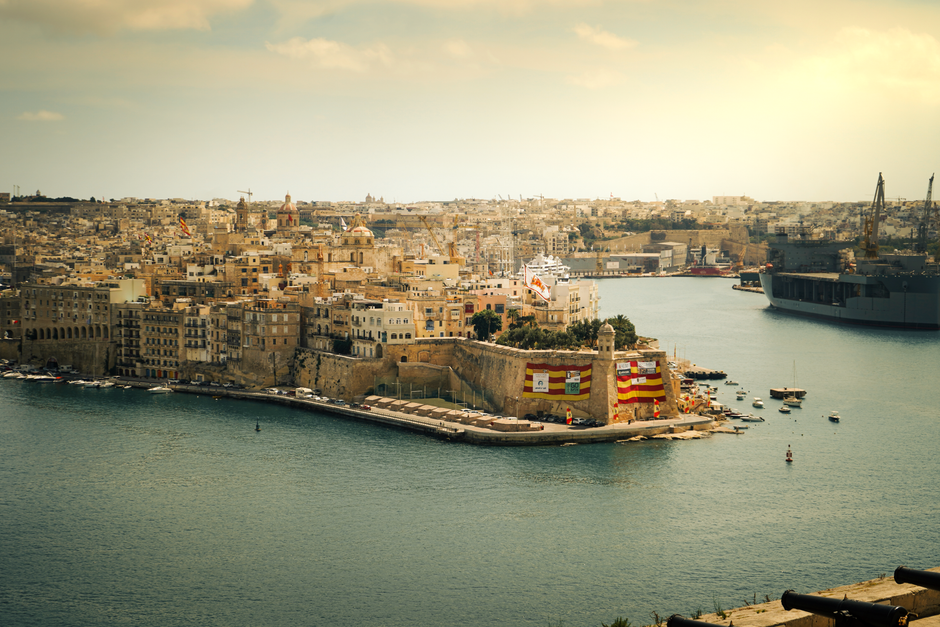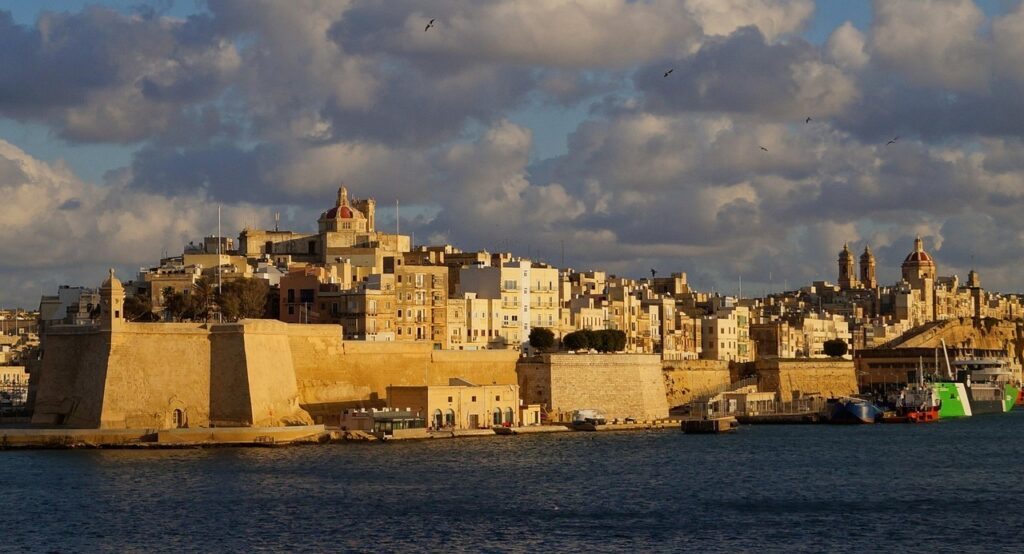






Introduction — Why knowing the tourist traps around Valletta matters
Valletta, Malta’s historic capital, is a compact wonder of fortifications, baroque churches, museums and narrow streets soaked in history. Every year hundreds of thousands of visitors flock to must-sees like St John’s Co-Cathedral, the Upper Barrakka Gardens and Fort St Elmo. But with all that tourism come avoidable pitfalls: overpriced, overcrowded restaurants, unofficial guides, inflated souvenir stalls, poorly handled queues, disappointing boat trips, murky combo tickets and attractions shut without notice. Spotting these traps can save you money and deliver a more authentic, less frustrating visit.
This guide is a practical toolkit for any English-speaking traveler visiting Valletta. It lays out eight common traps around the main sites, gives specific addresses, typical opening hours, price ranges in euros and local tips vetted by regulars. You’ll also find warning signs of scams, how to negotiate a fair rate, and better alternatives to save time and enjoy higher quality. Whether you have half a day or three days, these tips will help you plan your visits — and leave room for what matters most: the exceptional architecture, the Grand Harbour panoramas and Maltese cuisine.
Important: opening hours and prices change with the season and official updates. The figures here are current at the time of writing (euros) and include practical notes when possible (e-tickets, points of sale, peak times). For each trap, there’s a recommended workaround or alternative — often less touristy and more authentic. The goal isn’t to bash tourism, but to equip you so you can enjoy Valletta without frustration, wasted money or common disappointments.
1. Trap #1 — Street restaurants on Republic Street: inflated prices and tiny portions
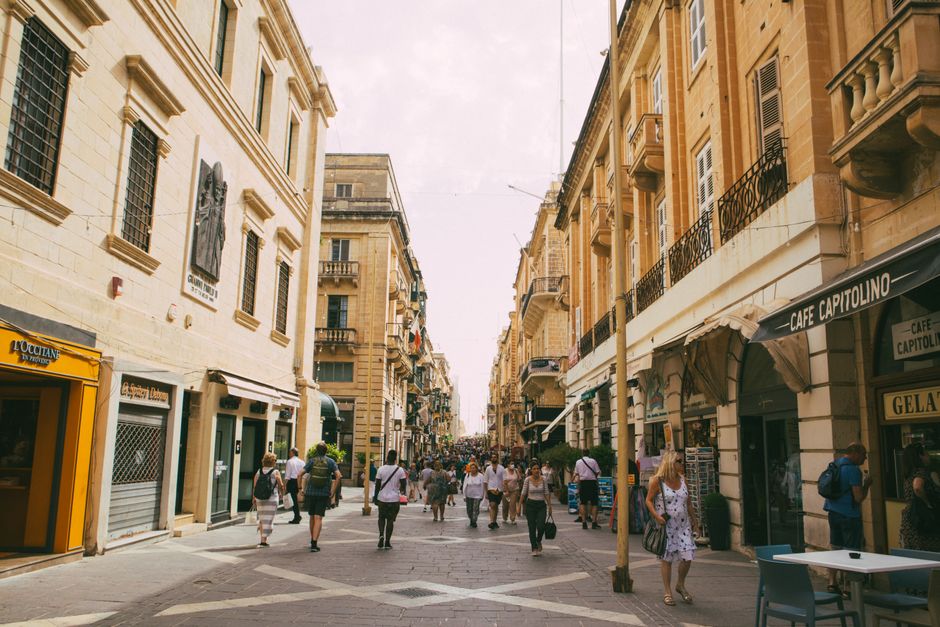
Republic Street (Triq ir-Repubblika), Valletta’s main pedestrian artery, is packed with cafés and restaurants. The tourist buzz makes some places shady: multi-language menus, overly persistent servers, photos of dishes outside and prices above the local average. For example, a “house special” pasta dish in a touristy Republic Street spot might cost €18–€25, versus €9–€14 in a local-favorite bistro. Restaurants closest to museum or monument entrances are often the priciest.
Typical address to avoid if it feels too touristy: Republic Street (Triq ir-Repubblika), Valletta VLT 1110, Malta — the stretch between City Gate and St John’s Co-Cathedral. Tip: check whether the menu clearly displays prices in euros and whether a service charge is listed separately. Many places add a 10% “service” fee without mentioning it verbally. Busy times: 12:30–14:30 and 19:00–21:30, when tourists arrive after sightseeing.
Local advice: opt for the side streets off the main drag like St Paul Street (Triq San Pawl) or Strait Street (Triq Strait), where mains typically run €10–€15. Try “Nenu the Artisan Baker” (196, Strait Street, Valletta VLT 1116, Malta) for traditional ftira at fair prices (ftira €5–€8). Book ahead by phone or app, and prefer menus without flashy photos — that’s often a good sign of authenticity.
2. Trap #2 — Opaque combo tickets and “all-inclusive” tours
Many sellers push combo tickets for several attractions (St John’s Co-Cathedral, Fort St Elmo, the Lascaris War Rooms) or “hop-on hop-off” harbor circuits. Some combos are legit, but others are designed to sell you tours you won’t use. For example, a supposed “priority entry” package for St John’s Co-Cathedral might cost €30 while standard entry is €12–€15 (approx). Grand Harbour “cruise + guide” ads can promise 60 minutes but limit boarding and leave you waiting 90 minutes.
Where to buy: official points like the Palazzo Ferreria ticket desks on Republic Street, or tourist kiosks near City Gate Theatre, Triq ir-Repubblika, Valletta. Typical sales hours: 09:00–18:00. Indicative prices for single tickets: St John’s Co-Cathedral €12–€15, Lascaris War Rooms €9–€11, Fort St Elmo (National War Museum) €10–€12. Beware of offers on the street charging double.
Practical tip: buy tickets directly from official sites (e.g. Heritage Malta for Fort St Elmo and the National War Museum — ticketing point at Il-Fortizza ta’ Sant’Elmo, Valletta VLT 2030) or use reputable, transparent platforms. For official boat tours, prioritize operators with a formal landing point on Marsamxett Harbour (Pjazza San Ġorġ, Valletta) and ask for the exact meeting point, guaranteed duration and cancellation policy.
3. Trap #3 — Unofficial guides and overpriced micro-tours
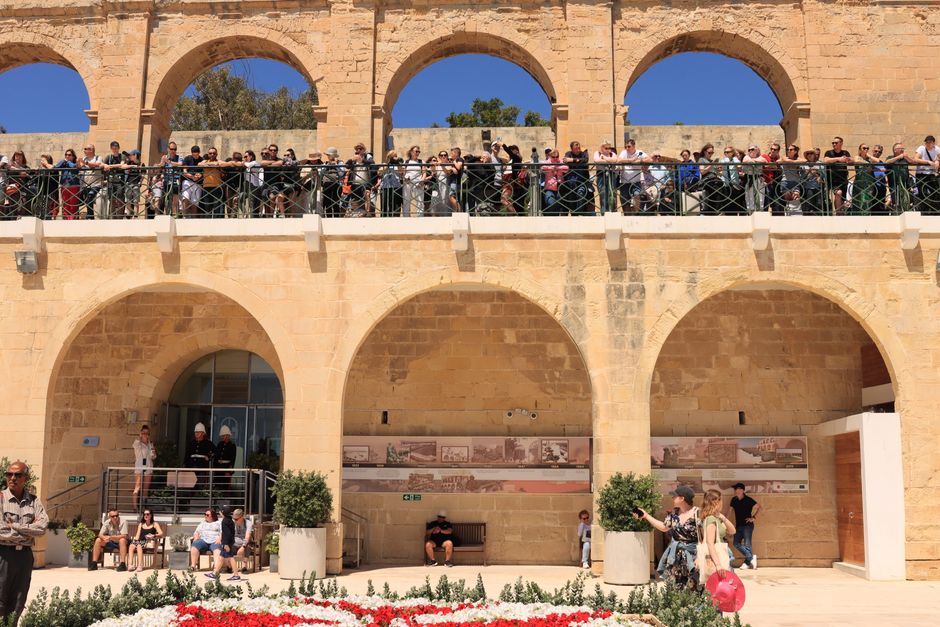
Around the Upper Barrakka Gardens and the Co-Cathedral it’s common to see people offering off-the-cuff private tours. Many know their stuff, but without an official badge, insurance or license there are risks: shaky facts, strict time limits, and sometimes steep fees (€40–€80 for an hour). Certified guides wear an ID badge and normally charge €20–€35 for a small-group one-hour tour.
Frequent spotters: Upper Barrakka Gardens, Il-Barrakka ta’ Fuq, Valletta — near the Grand Harbour viewpoint. Impromptu “guides” usually hang around between 09:30 and 12:00. Tip: always ask to see their professional card (license) and favor guides affiliated with Malta Tourism Authority or local tourist offices (Visit Malta – Office: City Gate Building, Triq il-Kbira, Valletta).
Advice: for a guided visit to St John’s Co-Cathedral (Triq San Gwann, Valletta VLT 1770), book an official guided tour via the cathedral’s website or at the ticket desk to avoid false promises. Licensed guides often provide headsets and can secure priority access — a real plus in high season.
4. Trap #4 — Souvenirs and tourist shops: hit-and-miss quality and pushy sellers
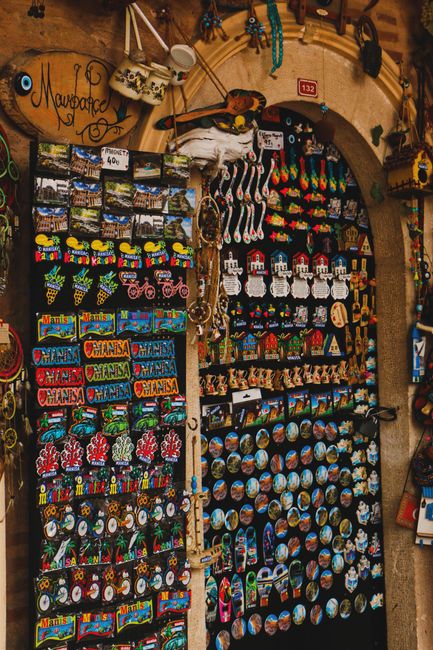
Around major sites, especially Republic Street and Merchant Street (Triq il-Merkanti), souvenir shops sell thousands of items: tees, magnets, art reproductions and incense. Goods on the main thoroughfares are often more expensive (magnets €3–€5) and lower quality. Sellers will frequently quote a “tourist” price if you don’t haggle.
Common location: Merchant Street (Triq il-Merkanti), Valletta VLT 1119. Typical hours: 10:00–19:00. Price tips: look for artisans selling authentic items (Maltese pottery, filigree jewelry, lace products) often priced €8–€25 depending on the piece. Avoid stalls with a big “Tourist Price” sign and favor shops that clearly list prices.
Local trick: buy authentic souvenirs in specialist shops like Mediterranean Mosaic (indicative address: Strait Street, Valletta) or at local markets in Marsaxlokk (Sunday fish market, Triq il-Forn, Marsaxlokk), where bargaining is normal. Always compare two or three shops before buying and refuse the first offer. If you want high-quality items (filigree jewelry, ceramics), ask about origin and a certificate of authenticity.
5. Trap #5 — “Instant” pro photographers and paid photo services
The views from Upper Barrakka Gardens and the historic lanes attract amateur shooters and sometimes “photo services” offering quick shoots in iconic spots. These services can charge €25–€60 for a few minutes of photos and then deliver images late (or not at all). Beware of people offering photos with paid costumes or props.
Common spot: Upper Barrakka Gardens belvedere (Il-Barrakka ta’ Fuq). Peak photo times: 08:00–11:00 and 17:00–19:00. Tip: if you want professional photos, book a photographer through a trusted platform (average €80–€150 for a one-hour session in Valletta). For ad-hoc shots, always ask to see a recent portfolio and clearly agree the price and delivery format (digital files, number of images).
Free alternatives: use the official viewpoints (Upper Barrakka terraces) for panoramic shots with no cost. If you ask a passerby to take your photo, offer a small tip (€1–€3) rather than accepting an impromptu paid “session.”

6. Trap #6 — Boat trips “to Gozo” with uncertified operators
Boats to nearby islands (Comino, Gozo) often leave from Valletta or Sliema. Some operators advertise direct, fast crossings but run overloaded boats without visible certificates, or break down. An official ferry to Gozo (Mġarr ↔ Cirkewwa) costs roughly €4.65 per person (approx) and departs from Ċirkewwa — while hop-on tours from Valletta can cost €25–€40 and include questionable, long detours.
Frequent boarding points: Marsamxett Harbour and Sliema Ferries, near Pjazza San Ġorġ (Pjazza San Ġorġ, Valletta). Seasonal hours: frequent departures 08:00–18:00 in high season. Recommendation: book with established operators like Virtu Ferries or local companies with verifiable reviews. Insist the vessel provides a life jacket per passenger, displays an operating license and gives an accurate travel-time estimate.
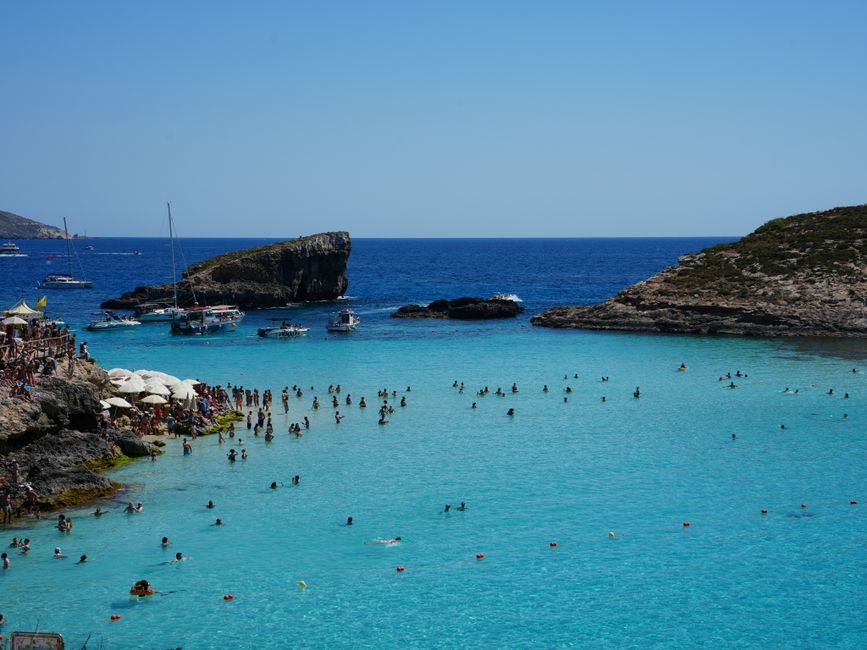
Practical tip: for Comino and the Blue Lagoon, go early (departures 08:30–10:00) to beat the crowds and favor operators that cap passengers (30–80 max depending on the boat) instead of vessels crammed with 150 people. Day-trip prices vary €20–€45 depending on inclusions (snorkel gear, drinks).
7. Trap #7 — Long queues and fake “priority entry” offers off-season
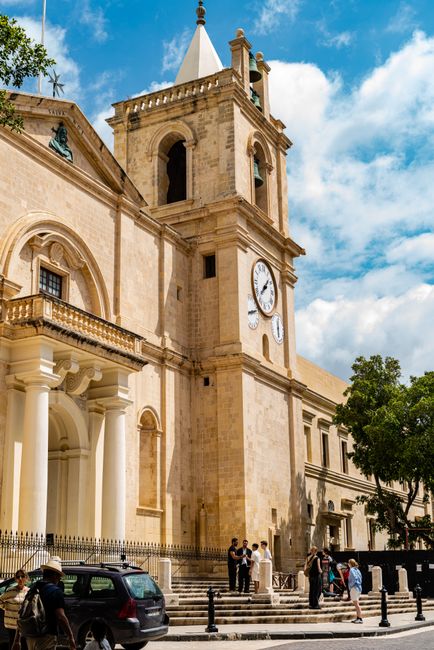
Top attractions like St John’s Co-Cathedral (Triq San Gwann, Valletta VLT 1770) and Manoel Theatre (Old Theatre Street, Valletta) can have long queues, especially 10:00–14:00. Some sellers push “priority entry” tickets at inflated prices to skip the line, but these don’t always guarantee immediate access — especially during events or unexpected closures. Buying directly from official sites or visiting during off-peak hours is usually safer.
Best visiting windows: see the Co-Cathedral early morning (09:00–10:30) or late afternoon (16:00–17:00) to cut wait times. Indicative prices: standard entry St John’s Co-Cathedral €12–€15, audio guide €3–€4 extra. Fort St Elmo/National War Museum often opens 09:00–17:00; check local public holidays.
Smart tip: reserve a specific timeslot online when possible, arrive 15 minutes early and keep a printed or phone copy of your ticket. Be wary of agents asking you to buy on the spot at a marked-up price; use only official points of sale (Heritage Malta sites, Visit Malta or clearly identifiable ticket desks).
8. Trap #8 — Poorly planned urban transport and unmetered taxis
Getting around Valletta can be tricky: minibuses, public buses (operator: Malta Public Transport) and taxis use various pricing. Unmetered taxis or flat-rate offers from the quays to the airport or Sliema can cost far more (€25–€40 vs. €10–€15 by bus). Valletta’s bus station (Valletta Bus Terminus, Triq Santa Lucija) serves the island from around 06:00 until roughly 23:00 depending on the route.
Main bus/ferry address: Bus Terminus, Triq Santa Lucija, Valletta VLT 1126. Indicative bus fares: single journeys across the island about €2–€3.50 (distance dependent); day passes or card options offer savings. Official taxis must display fares and use the meter; if not, agree a price beforehand (e.g. daytime airport transfer Luqa €25–€30 if negotiated).
Local tip: download the Malta Public Transport app for real-time schedules. For taxis, use app services (Bolt, eCabs) or call recognized local companies. Valletta is compact and walkable, but paved and steep in places — wear comfortable shoes and bring water in summer.
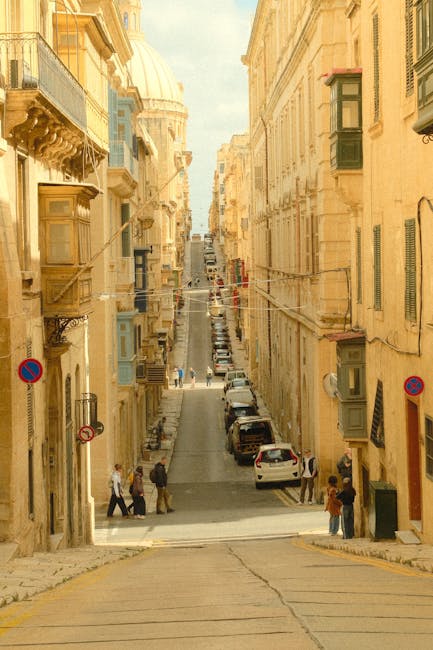
Conclusion — Smart travel in Valletta: quick recap and final tips
Valletta is a stunning destination but very touristy. The traps listed here — overpriced restaurants on Republic Street, opaque combo tickets, unofficial guides, low-quality souvenirs, paid photo services, uncertified boat trips, misleading queue-jump offers and poorly planned transport — are all avoidable with a bit of knowledge and preparation. The locations mentioned (Republic Street, Upper Barrakka Gardens, St John’s Co-Cathedral, Fort St Elmo, Merchant Street, Strait Street) will help you spot risky zones and choose more reliable alternatives.
Practical reminder: always check updated opening hours and prices on official sites (Heritage Malta, Visit Malta, Malta Public Transport), book ahead when possible, and favor clearly identified providers. For food, stray off the main street or ask locals for recommendations; for souvenirs, compare several shops and reject the first offer. If you plan a trip to Comino or Gozo, book with established operators and demand safety certificates. For guided tours, pick licensed guides who display professional badges.
With these habits you’ll save time, cut costs and enjoy a richer, less stressful experience in Valletta. The trip becomes an opportunity to fully appreciate the light over the Grand Harbour from Upper Barrakka, the sculptural finesse of the Co-Cathedral and authentic Maltese flavors — without unpleasant surprises. Safe travels and discover Valletta with confidence and curiosity.